Bachelor · Universitas Prima Indonesia
Keperawatan Penuh Kepedulian untuk Pelayanan Kesehatan Berkualitas
Preparing qualified professional nurses
Compassionate Care, Evidence-Based Practice, Better Quality of Life
The Bachelor of Nursing Science program is a higher education program designed to prepare students to become competent professional nurses capable of providing holistic, evidence-based, and patient-centered nursing care. This program combines theoretical and practical approaches to ensure students understand the fundamentals of nursing and can apply them in real-world situations.Students will be equipped with clinical skills, effective communication abilities, and a deep understanding of the nursing process. They will also study various aspects such as public health, nursing management, and nursing ethics and law. This aims to prepare them to care for individuals, families, and communities in diverse healthcare settings.Graduates of this program are expected to contribute to improving the quality of healthcare services and meet professional demands in the field of nursing. With the competencies they possess, they are ready to face challenges in the healthcare world and make a positive impact on society.
Care with Knowledge. Serve with Compassion. Improve Quality of Life.
Ilmu keperawatan membuka kesempatan untuk berkontribusi pada kesehatan manusia sepanjang rentang kehidupan, mulai dari promosi kesehatan dan pencegahan penyakit hingga pendampingan pasien dengan kondisi kronis, kompleks, dan paliatif. Bidang ini menggabungkan pengetahuan ilmiah, keterampilan komunikasi, kepekaan sosial, serta kemampuan mengambil keputusan berbasis bukti.
Pendidikan sarjana juga menjadi fondasi untuk melanjutkan ke Program Profesi Ners, mengembangkan kompetensi melalui pendidikan lanjutan, dan menekuni bidang pendidikan, penelitian, manajemen layanan, teknologi kesehatan, atau kewirausahaan sesuai kualifikasi yang dipersyaratkan.
To become a Bachelor of Nursing Science Study Program excelling in the development of sociotechnopreneurship, centered on holistic, integrated, and sustainable palliative care, to improve the quality of life and public health.
Producing quality education and practical experience as strategic targets in preparing quality Nurse graduates in Nursing, health services, Sociotechnopreneurship, and the application of Palliative principles to meet the needs of the job market;Producing research and development in the field of Nursing and health services that focus on improving the quality of health services and social sustainability, as well as research in the field of Palliative Services to obtain Nursing Science and Technology that can solve health problems in Indonesia;Producing community service based on sociotechnopreneurship, reasoning and research works on Palliative Services that are useful for solving health problems;Producing excellent services with optimal internal resource management and supported by cooperation with institutions both domestically and abroad.
The creation of qualified Nurse graduates to meet the needs of the job market in the fields of Nursing, health services, Sociotechnopreneurship, and the application of Palliative principles;The creation of science and technology used to improve the quality of health services and social sustainability, solutions to health problems in Indonesia in the field of Palliative Services and improving the ability of graduates to overcome challenges in the job market;The realization of Community Service based on sociotechnopreneurship, reasoning and research works on Palliative Services that are useful for solving health problems in the Indonesian community;The realization of quality services and good governance, by ensuring the achievement of graduate competencies through effective and sustainable Tridharma management;The realization of quality and mutually beneficial institutional cooperation to support the achievement of optimal and quality graduate competenciesThe realization of superior human resources with the support of study program management and the implementation of the Tridharma of higher education, in order to improve the quality of graduate competencies and achieve excellence education;Creating students who have superior academic and non-academic achievements as part of an effort to prepare quality graduates, with sociotechnopreneurship insight and high competitiveness.
| Code | Course / Stage | Credits |
|---|---|---|
| MKU602001 | BAHASA INDONESIA | 2 |
| MKU602002 | PANCASILA | 2 |
| MKU602004 | AGAMA | 2 |
| KEP603001 | KONSEP DASAR KEPERAWATAN | 3 |
| KEP602002 | KOMUNIKASI DASAR KEPERAWATAN | 2 |
| KEP604003 | ILMU BIOMEDIK DASAR | 4 |
| KEP603004 | FALSAFAH DAN TEORI KEPERAWATAN | 3 |
| KEP602005 | ETIKA KEPERAWATAN DAN HUKUM KESEHATAN | 2 |
| Total | 20 | |
| Code | Course / Stage | Credits |
|---|---|---|
| KEP603010 | KETRAMPILAN DASAR KEPERAWATAN | 3 |
| KEP604002 | PEMENUHAN KEBUTUHAN DASAR MANUSIA | 4 |
| KEP603012 | ILMU DASAR KEPERAWATAN | 3 |
| KEP603014 | PROMOSI KESEHATAN DAN PENDIDIKAN KESEHATAN | 3 |
| KEP603011 | PROSES KEPERAWATAN DAN BERPIKIR KRITIS | 3 |
| MKU602003 | KEWARGANEGARAAN (PKn) | 2 |
| MKP602015 | KONSEP DASAR KEPERAWATAN PALIATIF | 2 |
| Total | 20 | |
| Code | Course / Stage | Credits |
|---|---|---|
| KEP603012 | KOMUNIKASI TERAPEUTIK KEPERAWATAN | 3 |
| KEP605013 | KEPERAWATAN DEWASA SISTEM PERNAFASAN, KARDIOVASKULER DAN HEMATOLOGI | 5 |
| KEP602014 | PSIKOSOSIAL DAN BUDAYA DALAM KEPERAWATAN | 2 |
| KEP605015 | KEPERAWATAN MATERNITAS | 5 |
| KEP603016 | FARMAKOLOGI KEPERAWATAN | 3 |
| KEP602017 | KESELAMATAN PASIEN DAN KESELAMATAN KESEHATAN KERJA | 2 |
| KEP602038 | SISTEM INFORMASI DALAM KEPERAWATAN | 2 |
| Total | 22 | |
| Code | Course / Stage | Credits |
|---|---|---|
| KEP602025 | KEPERAWATAN KESEHATAN REPRODUKSI | 2 |
| KEP604026 | KEPERAWATAN DEWASA SISTEM ENDOKRIN, PENCERNAAN, PERKEMIHAN DAN IMUNOLOGI | 4 |
| KEP604027 | KEPERAWATAN ANAK SEHAT DAN SAKIT AKUT | 4 |
| KEP603029 | KEPERAWATAN KESEHATAN JIWA DAN PSIKOSOSIAL | 3 |
| KEP602040 | BIOSTATISTIK | 2 |
| KEP604024 | METODOLOGI PENELITIAN | 4 |
| KEP602037 | KONSEP KEPERAWATAN KOMUNITAS | 2 |
| MKP602031 | MANAJEMEN NYERI DAN GEJALA DALAM LAYANAN PALIATIF | 2 |
| Total | 23 | |
| Code | Course / Stage | Credits |
|---|---|---|
| KEP605026 | KEPERAWATAN DEWASA SISTEM MUSKULOSKLETAL, INTEGUMEN, PERSEPSI SENSORI DAN PERSARAFAN | 5 |
| KEP604027 | KEPERAWATAN ANAK SAKIT KRONIS DAN TERMINAL | 4 |
| KEP603028 | KEPERAWATAN PSIKIATRI | 3 |
| KEP604029 | KEPERAWATAN GERONTIK | 4 |
| KEP604042 | KEPERAWATAN GAWAT DARURAT | 4 |
| KEP602038 | KOMUNIKASI LINTAS BUDAYA DALAM KEPERAWATAN | 2 |
| MKP601003 | PROPOSAL PENELITIAN | 1 |
| Total | 23 | |
| Code | Course / Stage | Credits |
|---|---|---|
| KEP603039 | KEPERAWATAN AGREGAT KOMUNITAS | 3 |
| KEP603034 | PERENCANAAN PERAWATAN DAN TRANSISI DALAM LAYANAN PALIATIF | 2 |
| KEP604035 | KEPERAWATAN KELUARGA | 4 |
| KEP602024 | PSIKOLOGI DALAM KEPERAWATAN | 2 |
| KEP602058 | KEPERAWATAN KESEHATAN MASYARAKAT | 2 |
| MKP601001 | PELAYANAN PRIMA | 1 |
| MKP601002-005 | KEWIRAUSAHAAN | 1 |
| KEP603036 | KEPERAWATAN MENJELANG AJAL DAN PALIATIF | 3 |
| MKP601007 | BAHASA INGGRIS | 1 |
| MKU602005 | PENDIDIKAN ANTI KORUPSI | 2 |
| MKP601004 | LAPORAN PENELITIAN | 1 |
| Total | 22 | |
| Code | Course / Stage | Credits |
|---|---|---|
| KEP603039 | KEPERAWATAN KRITIS | 3 |
| KEP604041 | KEPEMIMPINAN DAN MANAJEMEN KEPERAWATAN | 4 |
| KEP602048 | KEPERAWATAN BENCANA | 2 |
| MKP601005-005 | PUBLIKASI PENELITIAN | 1 |
| MKP603006 | DISEMINASI PENELITIAN | 3 |
| Total | 13 | |
Fields of work and professional roles graduates may pursue after completing the program.
Deskripsi OL1
Characteristics and capabilities expected of graduates of this study program.
Lulusan memiliki kepekaan sosial serta kemampuan berpikir kritis untuk menghadirkan solusi inovatif yang adaptif terhadap dinamika perubahan zaman dan perkembangan teknologi. Berbekal jiwa kewirausahaan (entrepreneurship), lulusan mampu mengidentifikasi peluang, mengelola sumber daya secara mandiri dan berkelanjutan, serta memberikan kontribusi sosial-ekonomi yang berdampak positif bagi masyarakat.
Lulusan mampu menguasai serta mengadaptasi perkembangan ilmu pengetahuan dan teknologi (IPTEK) kesehatan terkini berbasis bukti (evidence-based practice) untuk meningkatkan kualitas asuhan, keselamatan pasien (patient safety), serta efisiensi pelayanan keperawatan dan kebidanan di berbagai jenjang fasilitas kesehatan.
Lulusan memiliki landasan keilmuan teoritis dan keterampilan klinis dasar serta memiliki kompetensi untuk memberikan asuhan keperawatan secara profesional kepada individu, keluarga, kelompok, dan masyarakat dalam bidang perawatan paliative
Attitudes, knowledge, and skills students are expected to achieve by graduation.
Upholding devotion to God Almighty, ethics, morals, nationalism, tolerance and human values integrated with independent, tough, collaborative, adaptive and innovative character in applying entrepreneurial principles based on the use of technology that has a positive impact on society
Membentuk lulusan yang berkarakter utuh (holistic graduate), mengintegrasikan antara pembentukan mentalitas moral-spiritual dengan kapasitas kerja modern berbasis teknologi. Lulusan tidak hanya dibekali keahlian akademis, tetapi juga memiliki kompas etika yang kuat, ketahanan mental, serta dorongan untuk menciptakan solusi bernilai tambah bagi masyarakat.
Capable of delivering nursing and midwifery services with professionalism, integrity, and ethical adherence, utilizing evidence-based health science and technology to enhance the quality of care and patient safety.
Kompetensi yang mengintegrasikan sikap profesional, etika, penguasaan sains dan teknologi kesehatan, serta orientasi pada keselamatan pasien. CPL ini menjadi fondasi bersama bagi seluruh program studi di lingkungan Fakultas Keperawatan dan Kebidanan untuk menghasilkan tenaga kesehatan yang tidak hanya terampil secara klinis, tetapi juga memiliki kompas moral yang kuat serta tanggap terhadap perkembangan teknologi medis modern.
Able to carry out nursing care in accordance with the Indonesian nursing code of ethics, think logically, critically, systematically and creatively, innovatively, cooperate and have social sensitivity and be scientifically responsible to the community, profession and clients by applying nursing science and technology.
Mampu melaksanakan asuhan keperawatan secara profesional, komprehensif, dan berkesinambungan sesuai dengan kode etik keperawatan Indonesia serta standar praktik keperawata
Able to carry out education, communication and collaboration in providing nursing care and/or services based on the latest scientific evidence.
Mampu melaksanakan edukasi kesehatan secara efektif kepada klien, keluarga, kelompok, dan masyarakat dengan menggunakan metode komunikasi yang tepat sesuai kebutuhan dan karakteristik sasaran.
Able to organize nursing care and coordinate with the health team by demonstrating leadership attitudes to achieve client care goals.
Mampu mengorganisasikan dan mengelola pelaksanaan asuhan keperawatan secara efektif, efisien, sistematis, dan berkesinambungan sesuai dengan kebutuhan serta kondisi klien.
Able to conduct monodisciplinary scientific research in the field of nursing/health science and technology to solve nursing/health problems through critical, ethical, and innovative thinking.
Mampu melaksanakan penelitian ilmiah monodisipliner dalam bidang ilmu dan teknologi keperawatan dan kesehatan secara sistematis, objektif, dan bertanggung jawab.
Able to develop professional palliative care skills in providing quality services for patients with chronic or terminal illnesses, through an interdisciplinary and evidence-based approach.
Mampu mengembangkan dan menerapkan kompetensi profesional dalam memberikan asuhan keperawatan paliatif yang holistik, bermutu, dan berpusat pada pasien dengan penyakit kronis atau terminal.
Approved and locked RPSMK are grouped by semester. The cohort source follows the newest available RPSMK for each course in that semester.
Indonesian Language is a compulsory General Course (MKU) that all students must take. It is offered to strengthen students' character and is available in both odd and even semesters. The scope of the course covers the historical development of the Indonesian language, its status and functions, general spelling guidelines, word formation processes, word choice, sentences and effective sentences, paragraphs and their development patterns, scientific papers, popular scientific writing, and official letter writing.
This course aims to equip students with a comprehensive understanding of Pancasila as the foundation of the state, the state ideology, the nation’s way of life, and a source of values that guide social, national, and civic life.
General education in religion refers to foundational courses designed to develop students' understanding of spiritual values, ethics, morals, and theological teachings from their respective faiths, while fostering religious tolerance and moderation within a pluralistic society.
This course covers fundamental concepts of nursing, including caring as the core of nursing practice, the process of loss and grief experienced by clients, professional nursing standards as an integral part of the health care system, and ethical and legal principles in nursing decision-making, as a foundation for students in providing nursing care and developing professional behavior.
This course examines general communication principles and their application within the context of healthcare—specifically regarding the provision of nursing care for individuals, families, and communities—across various settings, including both clinical practice and community health. Additionally, the course addresses trends and issues related to the evolution of communication in the healthcare field.
This course is part of the basic natural sciences group, covering concepts in biology, physics, biochemistry, and nutrition—with due regard for the environment and scientific ethics—as well as concepts of human anatomy and physiology regarding the maintenance of body homeostasis
This course examines nursing philosophy, paradigms, conceptual models, and nursing theories, as well as the principles of a holistic approach within the nursing context.
This course discusses values, norms, ethics, and morals in nursing; cultural and religious sensitivity in care; the Indonesian nursing code of ethics; nurses' rights, obligations, and legal responsibilities; health law; and the resolution of ethical-legal problems in nursing practice.
This course covers the fundamental nursing procedures that form the basis of nursing practice, including vital signs measurement, nursing assessment and physical examination, infection control, and medication administration procedures. Learning experiences may include classroom instruction, nursing laboratory sessions, and clinical practice.
This course covers the concept of basic human needs (Maslow, Henderson, and Orem theories), the concepts and procedures for fulfilling oxygenation, fluid and electrolyte, nutritional, urinary and bowel elimination, rest and sleep, personal hygiene, and safety and comfort needs, as well as the assessment and development of nursing care plans based on basic human needs in simulated patients
This course covers the concepts of pathology, pathophysiology, microbiology, and parasitology across various conditions, serving as a foundation for advanced or specialized studies. Learning experiences may include classroom instruction and nursing laboratory sessions
This course covers the concepts, theories, paradigms, and models of health promotion, teaching and learning concepts, needs identification, instructional media, strategies, communication, influencing factors, as well as the role of nurses in health promotion and health education for clients
This course discusses the concepts of critical thinking, clinical reasoning, and clinical judgment; the role of critical thinking in the nursing process; the components of the nursing process; the stages of problem solving and clinical decision-making; and the application of the nursing process (assessment, diagnosis, intervention, implementation, and evaluation) in establishing nursing diagnoses appropriate to the case.
This course covers the basic concepts of Civic Education, national identity, national integration, the constitution, democracy, law, citizens' rights and responsibilities, archipelagic insight, national resilience, and national defense to shape students who have Pancasila character, a sense of nationalism, love for the homeland, critical thinking skills, and the ability to actively participate in society, the nation, and the state.
This course discusses the fundamental concepts of palliative nursing, including: communication in palliative care and basic nursing competencies; principles of patient and family assessment; the role of nurses and the interdisciplinary team in palliative care; ethical and legal aspects of decision-making in palliative nursing; psychological-emotional and social issues in patients; provision of family nursing care as caregivers; nurses' self-awareness and self-care; patient care before and after death; therapies in palliative care; the role of the sick person and work partners; hope and spirituality; and loss.
This course covers the fundamental concepts of communication and therapeutic communication as the core of the nurse-client relationship, verbal and non-verbal communication techniques including active listening and nursing interviewing, the application of nursing communication with clients across the lifespan and in special conditions (children, adolescents, adults, older adults, communication barriers, anger, anxiety, and grief), and professional communication in health care team collaboration (including SBAR and hand-over techniques) and nursing documentation, as a foundation for students in building therapeutic relationships and developing professional communication skills.
This course focuses on meeting the needs of adult clients with disorders of oxygenation, circulation, and hematologic function. Nursing care for respiratory, cardiovascular, and hematologic disorders is provided based on the nursing process, applying biomedical sciences such as biology, histology, biochemistry, anatomy, physiology, pathophysiology, medical-surgical nursing science, internal medicine, pharmacology, nutrition, surgery, and rehabilitation. These system disorders include inflammatory conditions, degenerative disorders, malignancies, and trauma, which are among the ten most common cases at the local, regional, national, and international levels. The scope covers assessment through evaluation of client care, including nursing modality therapies for various conditions, including complementary therapies. The learning process is carried out through expert lectures, collaborative learning (CL), problem-based learning (BDM), and laboratory practice.
This course discusses psychosocial concepts in nursing practice, including self-concept, spiritual health, sexuality, stress and adaptation, as well as the concepts of loss, death, and grief. It also covers theoretical concepts of health anthropology, including culture in general, hospital culture, the cultural perspective on the etiology of disease, perceptions of health and illness, and culturally based responses to health and illness. In addition, the course addresses theoretical concepts of transcultural nursing, including the transcultural perspective, Leininger’s Culture Care Theory, cultural assessment, and the application of transcultural nursing to various health problems throughout the human life cycle.
This course discusses efforts to improve the reproductive health of women of childbearing age, pregnant women, those giving birth, postpartum mothers, between pregnancies, and newborns, with an emphasis on preventive and promotional measures using a nursing process approach while considering legal and ethical aspects.
Nursing Pharmacology is a branch of applied pharmacology that studies the efficacy, mechanism of action, pharmacokinetics, and pharmacodynamics of drugs across body systems, the principles of safe medication administration (the six rights), dose calculation, and the application of nursing care in managing drug therapy for patients across clinical settings and populations, as a foundation for clinical decision-making in professional nursing practice.
The Patient Safety and Occupational Health and Safety (K3) course covers the basic concepts of patient safety, interprofessional teamwork, the role of patients and families as partners in preventing adverse events, the pathophysiology and prevention of occupational diseases, mitigation of physical, chemical, biological, psychosocial, and ergonomic hazards in hospitals, infection control, medication safety, body biomechanics, and clinical incident (sentinel event) analysis. Students are equipped with the ability to apply patient safety and occupational health and safety principles safely, ethically, and based on evidence in health service practice.
Competence / Competency is the demonstrated ability to apply knowledge, skills, and personal attributes to achieve intended results and perform workplace activities to the required standard
This course covers efforts to improve reproductive health for women of childbearing age, pregnant women, mothers giving birth, postpartum mothers, and between two pregnancies in risky conditions, as well as issues related to reproductive system disorders, with an emphasis on preventive and promotive efforts using a nursing process approach while considering legal and ethical aspects in both clinical and community settings.
This course focuses on meeting the needs of adult clients with disorders of the endocrine, digestive, urinary, and immunological systems. The provision of nursing care for cases of endocrine, digestive, urinary, and immunological system disorders is based on the nursing process by applying biomedical sciences such as biology, histology, biochemistry, anatomy, physiology, pathophysiology, medical-surgical nursing, internal medicine, pharmacology, nutrition, surgery, and rehabilitation. Disorders of these systems include inflammatory disorders, degenerative diseases, malignancies, and trauma, which are among the top 10 major cases at local, regional, national, and international levels. The scope of discussion ranges from assessment to the evaluation of client care. Nursing interventions include nursing modality therapies across various conditions, including complementary therapies.
This course is a nursing specialty course that focuses on the responses of children and families at each stage of development, from the neonatal period through late adolescence, in both healthy conditions and acute illness, whether in the community or hospitalized, as well as nursing interventions, both independent and collaborative
This course discusses nursing care for individuals, families, groups, and communities with mental health and psychosocial problems using promotive, preventive, curative, and rehabilitative approaches. Students learn to apply therapeutic communication and the mental health nursing process, provide nursing care for clients with mental disorders (self-concept disturbance, hallucinations, delusions, violent behavior, suicide risk, and self-care deficit), deliver nursing care for psychosocial problems (anxiety, loss and grief, depression, and substance use), and carry out evidence-based modality therapies. The course also covers community mental health nursing and psychosocial interventions for children and adolescents, older adults, and disaster survivors, and develops the ability to evaluate care outcomes based on mental health indicators and determine follow-up actions. This learning experience supports holistic, ethical, and sustainable mental health nursing services.
This course focuses on the understanding of statistical principles, levels of measurement, graphical presentation, descriptive measures of statistical summary, dispersion and association, inferential statistics, hypothesis testing, and application in interpreting nursing research literature
This course covers the philosophy of science, research concepts, the development of nursing research, the research process, research dimensions, procedures for selecting hypothesis tests, descriptive statistics, comparative hypothesis testing, categorical variable hypothesis testing, correlation testing, research proposals, research ethics, and the writing of research results
This course focuses on the basic concepts of community health and community nursing, government health programs/policies for addressing priority health problems in Indonesia, community nursing care, and discussion of issues and trends in community health problems. The course is useful for understanding the basic concepts of community nursing and the various specialized areas of community nursing, particularly those related to common health problems in Indonesia, and for understanding the mechanisms of community nursing service coverage, as well as emerging issues/trends; and/or as a prerequisite for taking Community Nursing II. Learning experiences include lectures, small group discussions (SGD), project-based learning (PjBL), case discussions, and practicums.
This course discusses the concepts of pain and symptoms, the physiology and pathophysiology of pain and symptoms, pain and symptom assessment techniques, the principles of pain and symptom management, and pharmacological and non-pharmacological interventions in pain and symptom management. This course also covers pain and symptom management in special populations and in various body system disorders (gastrointestinal, fluid-electrolyte, respiratory-cardiovascular, and elimination), pain and symptom management in patients with terminal illness, comprehensive management of pain and symptoms, and counseling and emotional support for patients and families in pain and symptom management in palliative care services. Learning methods: lecture, discussion, case study, and skills lab/simulation.
The focus of this course is on meeting the needs of adult clients with musculoskeletal, integumentary, sensory-perceptual, and neurological system disorders. Nursing care for cases of musculoskeletal, integumentary, sensory-perceptual, and neurological system disorders is based on the nursing process by applying biomedical knowledge such as biology, histology, biochemistry, anatomy, physiology, pathophysiology, medical-surgical nursing, internal medicine, pharmacology, surgery, nutrition, and rehabilitation. Disorders of these systems include inflammatory issues, degenerative abnormalities, trauma, which are among the top 10 cases locally, regionally, nationally, and internationally. The scope of discussion ranges from assessment to evaluation of care for clients. Nursing interventions include Nursing Modalities therapy in various conditions, including complementary therapy.
This course covers the concepts and practice of nursing care for children with chronic and terminal illness, including basic concepts of chronic illness and terminal conditions in children, assessment of growth, development, and the needs of children and families, nursing care for common chronic diseases in children, symptom and pain management, palliative and end-of-life care, therapeutic communication, psychosocial and spiritual support for children and families, as well as ethical, legal, and cultural aspects. Learning experiences may include classroom instruction, nursing laboratory sessions, and clinical practice.
This course discusses nursing care for clients experiencing mental health disorders. Recovery from mental illness using a holistic and person-centered care approach is the primary focus of this course, including individual and family-centered therapeutic relationships as well as the application of nursing modality therapies. Psychiatric nursing care for special populations and clients with substance use disorders (NAPZA) is also covered in this course. This learning experience will be valuable for delivering psychiatric nursing services and integrating mental health nursing into other nursing fields
This course focuses on the basic concepts of gerontological nursing, various gerontological nursing theories, and nursing care in fulfilling the basic needs of the elderly. Its application in gerontological nursing care encompasses discussions on the biological, psychological, social, and spiritual needs of the elderly, targeting individuals, families, and groups/communities
This course discusses the concepts and planning of nursing care that is ethical, legal, and culturally sensitive for clients who have actual and sudden or unpredictable problems, with or without uncontrolled environmental conditions, as well as clients in critical and life-threatening situations. Nursing care planning is developed in such a way that it is expected to prevent or reduce possible death or disability.
This course discusses the basic concepts of communication, the processes and purposes of communication, the relationship between communication and culture, intercultural communication competence, cultural adaptation, and issues related to intercultural communication in nursing. It also examines the influence of language, technology, globalization, perception, and cultural interaction within both Indonesian and global contexts.
This course equips nursing students with practical knowledge and skills to turn midwifery research results (undergraduate thesis/KTI) into scientific articles that are ready for publication. The topics include publication ethics in health/midwifery research, manuscript writing based on the IMRAD structure (Introduction, Methods, Results, and Discussion), analysis and presentation of clinical/community data, selection of reputable national journals (SINTA), and submission procedures through the OJS system. Through a Project-Based Learning (PBL) approach, students independently and under guidance prepare a draft scientific article in accordance with the author guidelines of the target journal.
This course discusses nursing care for various community aggregates using promotive, preventive, curative, and rehabilitative approaches. Students learn to develop community nursing care plans, provide home care nursing, and deliver nursing care to school-age children, children and adolescents, women and men, older adults, vulnerable populations (people with mental health conditions, disabilities, and neglected populations), populations affected by infectious disease/pandemic and chronic disease problems, and to practice evidence-based complementary therapies. This course also prepares students to evaluate community nursing care outcomes based on health indicators and to carry out appropriate follow-up. This learning experience will be valuable for delivering holistic and sustainable public health nursing services.
This course covers the fundamental concepts of care planning and transitions in palliative services; preparation and transitions for patients and families regarding future care and discharge; long-term palliative care; home care, hospice care, and outpatient services; care in the Emergency Department (ED), Intensive Care Unit (ICU), and hemodialysis units; care in pediatric, operating, and chemotherapy wards; as well as the evaluation and re-evaluation of care and transition plans in response to changes in the patient's condition.
The focus of this course is the discussion of family concepts, family health, prosperous family concepts, and family nursing care at each stage of family development, which includes newlyweds, expectant families, families with toddlers, families with school-aged children, families with adolescents, adult and aging families, as well as family issues related to common health problems in Indonesia.
This course examines the fundamental psychological concepts that underpin patient-centered nursing care. It explores the interrelationships among biological, psychological, social, cultural, and spiritual aspects that influence behavior, health, and an individual's response to illness.
This course discusses the basic concepts of community health nursing, including the health paradigm, social determinants of health, health systems and policies, and the roles and functions of the community health nurse. It also covers the concepts of community, community empowerment, basic epidemiology, and community nursing theories and models. In addition, the course addresses the community nursing process, including assessment, data analysis and diagnosis, planning, implementation, and evaluation, as well as nursing care for families and target groups throughout the life cycle, prevention and control of communicable and non-communicable diseases, community mental health, environmental health, disaster preparedness, and vulnerable groups.
The Service Excellence course studies the concepts, strategies, and techniques of delivering high-quality service that exceeds customer expectations. This course equips students with effective communication skills, an understanding of professional ethics, and the ability to execute service recovery and handle customer complaints in a solution-oriented and professional manner across various service industry sectors.
This course equips students with an understanding of the concepts and essence of entrepreneurship; the entrepreneurial mindset and character; the identification of business problems and opportunities; creativity and business ideas; product/service innovation and business models; business plan development; business management and growth; and sustainability and business decision-making.
This course covers the perspectives and fundamental concepts of palliative nursing; ethical-legal aspects and national policies; pathophysiology and physical, psychological, sociocultural, and spiritual assessment; therapeutic communication; development of nursing care plans; pharmacological and non-pharmacological pain management; complementary therapies; and end-of-life nursing care.
This course equips students with English language skills, both general and relevant to their field of study. This course usually covers four basic skills: listening, speaking, reading, and writing, along with mastery of grammar and vocabulary
Studying the scope of corruption, including its forms, causes, impacts, and prevention efforts.
This course equips students with the ability to prepare and present research findings in writing, systematically, and in accordance with scientific standards. It is usually positioned at the final stage of the research learning sequence, after students have studied research methodology and developed a research proposal
This course covers the concepts and planning of ethical, legal, and culturally sensitive nursing care for clients experiencing critical and life-threatening conditions. Nursing care plans are developed in such a way that they are expected to prevent or reduce potential death or disability.
This course covers the basic concepts of nursing leadership and management, leadership styles, planning, organizing, staffing (workload calculation & shift allocation), directing, supervision, conflict management, service operations (conferences, handover, nursing rounds), quality control of care, and advocacy roles in hospital/community health efficiency.
This course discusses the concepts, types, classifications, and characteristics of disasters; the health impact of disasters; integrated disaster management systems; ethical and legal aspects of disaster nursing; disaster preparedness and mitigation; health education and disaster preparedness; systematic assessment (triage) before, during, and after disasters; emergency management and victim rescue; psychosocial and spiritual care for victims; care for vulnerable populations; and interdisciplinary disaster management planning across all phases (prevention, mitigation, planning/response, and recovery).
his course equips nursing students with practical knowledge and skills in translating nursing research outcomes (undergraduate thesis) into publishable scientific articles. Core topics include publication ethics in health/nursing research, manuscript writing based on the IMRAD structure (Introduction, Methods, Results, and Discussion), clinical/community data analysis and presentation, selection of reputable national journals (SINTA), and submission procedures via Open Journal Systems (OJS). Through a Project-Based Learning (PBL) approach, students independently and under guidance draft a scientific manuscript in accordance with the target journal's author guidelines.
Able to prepare, validate, and disseminate scientific research findings into publication-ready manuscripts adhering to reputable journal or international conference proceeding standards by applying academic ethics and effective dissemination methods
Semesters 1–2
Mahasiswa membangun pemahaman anatomi, fisiologi, biomedis, konsep dasar keperawatan, komunikasi terapeutik, etika, dan keterampilan dasar.
Semesters 3–4
Pembelajaran mencakup keperawatan dewasa, maternitas, anak, jiwa, gerontik, kegawatdaruratan, promosi kesehatan, penelitian, dan informatika kesehatan.
Semester 5
Mahasiswa mengintegrasikan keperawatan keluarga dan komunitas, manajemen keperawatan, perawatan paliatif, serta evidence-based nursing.
Semester 6
Pengalaman belajar terstruktur menghubungkan simulasi dan praktik yang disupervisi dengan telehealth, keperawatan digital, serta sociotechnopreneurship.
Semester 7
Mahasiswa memperdalam pengalaman praktik paliatif dan manajemen, seminar proposal, mata kuliah pilihan, serta kegiatan pengabdian kepada masyarakat.
Semester 8
Mahasiswa menyelesaikan skripsi, seminar hasil, dan pengembangan kesiapan karier sambil mempersiapkan jalur studi lanjut atau Profesi Ners.
Tahap lanjutan setelah S.Kep.
Lulusan yang ingin menempuh jalur praktik perawat profesional melanjutkan ke pendidikan Profesi Ners dan memenuhi persyaratan registrasi serta perizinan yang berlaku.
Palliative & Quality of Life Nursing
Penciri Palliative & Quality of Life Nursing mengembangkan pemahaman asuhan keperawatan yang berpusat pada pasien dan keluarga. Pembelajaran menekankan kenyamanan, pengelolaan gejala, dukungan psikososial, komunikasi terapeutik, dan peningkatan kualitas hidup.
Pendekatan paliatif tidak hanya berkaitan dengan fase akhir kehidupan, tetapi juga dukungan menyeluruh bagi pasien dengan penyakit serius dan keluarganya. Penguatan ini dipadukan dengan evidence-based nursing, teknologi kesehatan, dan sociotechnopreneurship.
Penguatan sikap peduli, komunikasi terapeutik, dan pendampingan pasien serta keluarga yang menghadapi penyakit yang mengancam jiwa.
Asuhan keperawatan paliatif yang memperhatikan kebutuhan fisik, psikologis, sosial, dan spiritual pasien secara menyeluruh.
Perencanaan perawatan lanjutan, pengelolaan nyeri dan gejala, serta pengambilan keputusan bersama pasien dan keluarga.
Promosi kesehatan dan kesejahteraan untuk menjaga kualitas hidup pasien, keluarga, dan pemberi perawatan.
Pemanfaatan teknologi, telehealth, dan layanan keperawatan digital dalam pelayanan paliatif modern.
One Foundation, Many Paths of Contribution
Gelar Sarjana Keperawatan (S.Kep.) menjadi fondasi untuk berkontribusi dalam ekosistem kesehatan, pendidikan, riset, teknologi, dan pengelolaan layanan sesuai persyaratan tiap jabatan. Praktik keperawatan profesional secara mandiri mensyaratkan pendidikan Profesi Ners dan pemenuhan ketentuan registrasi/perizinan yang berlaku.
Peluang berikut menggambarkan arah pengembangan karier setelah memperoleh kualifikasi yang diperlukan; tidak semua jabatan dapat langsung dijalankan hanya dengan gelar S.Kep.
Memberikan asuhan keperawatan, promosi kesehatan, dan pencegahan penyakit di puskesmas dan layanan primer. Peran praktik klinis mensyaratkan kualifikasi profesi dan perizinan sesuai ketentuan.
Merawat lansia dengan pendekatan holistik di panti wreda dan unit layanan geriatri. Peran praktik klinis mensyaratkan kualifikasi profesi dan perizinan sesuai ketentuan.
Berperan dalam edukasi produk, layanan klinis pelanggan, dan pengembangan alat kesehatan.
Mendukung pengelolaan layanan, mutu, dan klaim pada asuransi serta manajemen pelayanan kesehatan.
Memberikan konsultasi dan pemantauan pasien jarak jauh melalui platform layanan digital. Peran praktik klinis mensyaratkan kualifikasi profesi dan perizinan sesuai ketentuan.
Menjaga kesehatan dan keselamatan pekerja di perusahaan dan lingkungan industri.
Terlibat dalam respons kesehatan, pertolongan darurat, dan pemulihan pada situasi bencana.
Perjalanan lulusan dapat dilanjutkan melalui pendidikan profesi, pendidikan lanjutan, pengembangan kompetensi, dan pengalaman kerja di bidang terkait.
Learn with Evidence. Care with Empathy. Grow with Purpose.
Pembelajaran Sarjana Ilmu Keperawatan FKK UNPRI menggabungkan kegiatan akademik, penguatan keterampilan dasar, simulasi, dan pengalaman belajar melalui kerja sama dengan institusi layanan kesehatan. Kegiatan tersebut membantu mahasiswa mengembangkan pengetahuan, ketelitian, komunikasi, dan keselamatan pasien.
Laboratorium keterampilan dan kegiatan praktik terstruktur menjadi bagian dari proses menghubungkan teori dengan penerapan asuhan keperawatan. Dokumentasi fasilitas dan kegiatan dapat ditambahkan sesuai materi resmi program studi.
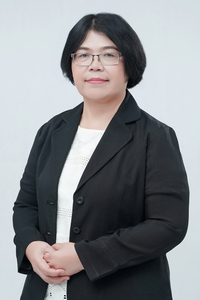
Head of Study Program

Lecturer

Lecturer
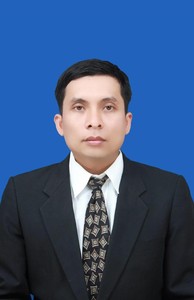
Assistant Professor

Lecturer

Lecturer
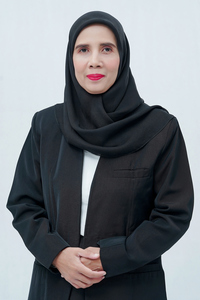
Assistant Professor
Instructor

Lecturer

Assistant Professor

Assistant Professor

Assistant Professor

Assistant Professor

Lecturer

Assistant Professor
Lecturer
Lecturer

Assistant Professor
Lecturer

Lecturer
Assistant Professor

Associate Professor

Lecturer
Lecturer
Lecturer

Assistant Professor
Assistant Professor

Assistant Professor
Assistant Professor
Instructor
Assistant Professor

Lecturer

Assistant Professor
Lecturer

Assistant Professor
Assistant Professor

Lecturer
Assistant Professor

Assistant Professor
Assistant Professor
Assistant Professor
Assistant Professor
Lecturer
Assistant Professor

Associate Professor
Lecturer
Assistant Professor

Assistant Professor
Assistant Professor

Assistant Professor

Assistant Professor

Lecturer

Lecturer

Assistant Professor

Assistant Professor
Instructor

Lecturer

Lecturer

Assistant Professor

Associate Professor
Lecturer
Lecturer
Lecturer
Professor
Once a Student, Always Part of the Caring Community
Setiap alumni memiliki cerita tentang proses belajar, tantangan, pencapaian, dan perjalanan yang membentuk langkah profesional mereka. Bagi Keperawatan UNPRI, alumni bukan hanya bagian dari sejarah institusi, tetapi juga menjadi cerminan dari nilai, pengalaman, dan semangat yang tumbuh selama menempuh pendidikan.
Melalui Suara Alumni, kami menghadirkan kisah-kisah nyata dari para lulusan yang kini menapaki berbagai jalur pengabdian dan karier di bidang keperawatan. Pengalaman mereka menjadi ruang berbagi yang hangat sekaligus inspiratif bagi mahasiswa dan calon mahasiswa untuk melihat bahwa proses pendidikan tidak berhenti di ruang kuliah atau klinik, tetapi terus berkembang dalam setiap langkah profesional.
Kenangan tentang pembelajaran, bimbingan dosen, pengalaman klinis, persahabatan, hingga tantangan selama pendidikan menjadi bagian penting yang membentuk karakter dan kepercayaan diri para alumni. Dari sanalah lahir generasi keperawatan yang membawa semangat untuk terus belajar, berkembang, dan memberikan pelayanan terbaik kepada masyarakat.
Cerita dan pengalaman alumni menjadi inspirasi untuk memahami keberagaman jalur setelah sarjana, termasuk pendidikan profesi, pengembangan akademik, serta kontribusi di sektor kesehatan sesuai kompetensi dan kualifikasi.
Kolaborasi akademik, kegiatan bersama, kunjungan institusi, dan pengembangan jejaring kemitraan.
Program Studi Sarjana Ilmu Keperawatan adalah pendidikan akademik jenjang sarjana yang membekali mahasiswa dengan dasar ilmu keperawatan, ilmu kesehatan, penelitian, komunikasi, dan keterampilan pembelajaran klinis. Kurikulum yang tercantum pada halaman ini terdiri dari 144 SKS dalam delapan semester dengan gelar akademik S.Kep.
”Pada tahun 2030 menjadi Prodi Pendidikan Sarjana Ilmu Keperawatan dengan keunggulan dalam mengembangkan sociotechnopreneurship yang berpusat pada perawatan paliatif secara holistik, terintegrasi, dan berkelanjutan dalam meningkatkan kualitas hidup dan kesehatan masyarakat“
Misi Program Studi Sarjana Ilmu Keperawatan meliputi:
Keunggulan program studi diarahkan pada penguatan kompetensi profesional keperawatan dengan penciri sociotechnopreneurship dan perawatan paliatif. Keunggulan tersebut dikembangkan melalui:
Sociotechnopreneurship merupakan pendekatan yang mengintegrasikan kepedulian sosial, pemanfaatan teknologi, dan semangat kewirausahaan. Dalam keperawatan, pendekatan ini mendorong mahasiswa dan lulusan untuk mengidentifikasi masalah kesehatan, memahami kebutuhan pasien dan masyarakat, kemudian merancang atau mengembangkan inovasi layanan, media edukasi, teknologi pendukung, maupun program pemberdayaan yang memiliki manfaat sosial dan dapat dilaksanakan secara berkelanjutan.
Perawatan paliatif merupakan pendekatan pelayanan untuk meningkatkan kualitas hidup pasien dan keluarga yang menghadapi masalah akibat penyakit yang mengancam jiwa, melalui pencegahan dan pengurangan penderitaan dengan identifikasi dini, pengkajian yang tepat, serta penatalaksanaan nyeri dan masalah lain. Pendekatan holistik memperhatikan kebutuhan fisik, psikologis, sosial, dan spiritual pasien serta keluarga. Perawatan paliatif dapat diberikan sesuai kebutuhan pasien dan tidak semata-mata terbatas pada tahap akhir kehidupan.
Masa studi normal adalah 7 semester (3,5 tahun) dengan beban studi sesuai Standar Nasional Pendidikan Tinggi untuk program sarjana yaitu 144 SKS.
Calon mahasiswa merupakan lulusan SMA, SMK Sederajat yang memenuhi ketentuan penerimaan. Persyaratan khusus, mengikuti peraturan akademik dan pengumuman penerimaan mahasiswa baru yang berlaku.
Pendaftaran mengikuti prosedur resmi Penerimaan Mahasiswa Baru Universitas Prima Indonesia (UNPRI), melalui kanal daring unprimdn.ac.id/pmb atau sekretariat penerimaan yang ditetapkan universitas. Calon mahasiswa memilih Program Studi Sarjana Ilmu Keperawatan, mengisi formulir, mengunggah dokumen, dan mengikuti tahapan seleksi sesuai ketentuan pada tahun penerimaan berjalan.
Dokumen yang umumnya diperlukan meliputi:
Mahasiswa perlu memenuhi persyaratan kesehatan yang ditetapkan oleh universitas dan wahana praktik. Pemeriksaan kesehatan, status imunisasi atau vaksinasi, serta dokumen kesehatan lain dapat dipersyaratkan untuk melindungi mahasiswa, pasien, dan lingkungan pelayanan. Ketentuan rinci disampaikan oleh program studi sebelum praktik.
Informasi biaya pendidikan, biaya praktik, dan kemungkinan beasiswa atau bantuan pendidikan mengikuti ketentuan resmi universitas pada tahun akademik berjalan. Calon mahasiswa dapat memperoleh informasi terbaru melalui kanal PMB UNPRI dan tersedia di laman informasi.
Area pembelajaran Sarjana Ilmu Keperawatan secara umum mengacu pada standar pendidikan keperawatan nasional (kurikulum inti AIPNI dan kurikulum penciri) dan dikelompokkan sebagai berikut.
### 1. Ilmu dasar dan biomedis
Anatomi, fisiologi, biokimia, mikrobiologi, patofisiologi, farmakologi, dan gizi. Ini fondasi untuk memahami kondisi tubuh manusia dan dasar tindakan keperawatan.
### 2. Keperawatan dasar
Konsep dan teori keperawatan, proses keperawatan, keterampilan klinis dasar (pemeriksaan fisik, tanda vital, pemberian obat, perawatan luka, pencegahan infeksi), serta keselamatan pasien.
### 3. Keperawatan klinis menurut kelompok pasien
• Keperawatan medikal bedah (dewasa dengan gangguan sistem tubuh)
• Keperawatan gawat darurat dan kritis
• Keperawatan maternitas (ibu hamil, bersalin, nifas, dan reproduksi)
• Keperawatan anak (bayi hingga remaja)
• Keperawatan jiwa
• Keperawatan gerontik (lansia)
### 4. Keperawatan komunitas dan keluarga
Promosi kesehatan, pencegahan penyakit, keperawatan keluarga, kesehatan masyarakat, dan keperawatan bencana.
### 5. Keperawatan paliatif dan perawatan akhir hayat
Manajemen nyeri dan gejala, pendampingan pasien penyakit kronis atau terminal, serta dukungan psikososial dan spiritual bagi pasien dan keluarga. Area ini menjadi ciri khas prodi Sarjana Ilmu Keperawatan.
### 6. Kepemimpinan dan manajemen keperawatan
Manajemen pelayanan dan asuhan keperawatan, kepemimpinan, mutu layanan, dan kerja sama antarprofesi.
### 7. Riset dan praktik berbasis bukti
Metodologi penelitian, biostatistika, evidence-based nursing, dan penulisan ilmiah (skripsi).
### 8. Etika, hukum, dan komunikasi
Etika keperawatan, aspek hukum praktik, komunikasi terapeutik, budaya dan spiritualitas dalam perawatan, serta caring.
### 9. Teknologi dan kewirausahaan
Informatika kesehatan, telehealth, inovasi layanan, dan kewirausahaan. Area ini sejalan dengan semangat sociotechnopreneurship.
### 10. Mata kuliah umum
Pendidikan Pancasila, kewarganegaraan, agama, bahasa Indonesia, dan bahasa Inggris.
Pembelajaran tidak hanya berupa kuliah, tetapi juga praktikum di laboratorium keterampilan, simulasi, dan praktik klinik atau komunitas di rumah sakit.
Pembelajaran memadukan pembelajaran tatap muka di kelas, laboratorium dan praktik klinik melalui kuliah, diskusi kasus, tanya jawab, pembelajaran berbasis kurikulum OBE, penugasan, simulasi atau praktik laboratorium, praktik klinik dan komunitas, refleksi, serta bimbingan oleh dosen dan pembimbing klinik. Metode pembelajaran dilaksanakan sesuai kurikulum serta pedoman akademik program studi.
Praktik dilaksanakan pada wahana praktik yang bekerja sama dengan universitas atau program studi, sesuai kebutuhan pencapaian kompetensi di wahana praktik di rumah sakit, Penempatan mahasiswa ditetapkan oleh program studi berdasarkan ketersediaan wahana, kapasitas pembimbing, dan target kompetensi.
Mahasiswa memperoleh bimbingan dari dosen pembimbing akademik atau pembimbing institusi serta pembimbing klinik dari wahana praktik. Pembimbing mendukung pengembangan keterampilan, penalaran klinis, sikap profesional, komunikasi, etika, dan keselamatan pasien serta melakukan penilaian sesuai ketentuan.
Praktik klinik dapat mengikuti pola pelayanan dan jadwal yang berlaku di wahana praktik, termasuk dinas bergilir apabila diperlukan. Mahasiswa wajib mematuhi jadwal, tata tertib, kode etik, standar prosedur operasional, serta ketentuan keselamatan pasien dan keselamatan kerja.
Penguatan perawatan paliatif dilakukan dengan mengintegrasikan prinsip pengkajian kebutuhan pasien dan keluarga, pengelolaan gejala termasuk nyeri sesuai kompetensi dan kewenangan, komunikasi terapeutik, dukungan psikososial dan spiritual, kolaborasi interprofesional, serta kesinambungan pelayanan. Penerapannya disesuaikan dengan kasus, konteks wahana praktik, dan capaian pembelajaran.
Sociotechnopreneurship adalah gabungan tiga hal: kepekaan sosial (socio), pemanfaatan teknologi (techno), dan jiwa wirausaha (preneurship). Dalam pendidikan, gagasan ini diterapkan agar mahasiswa tidak hanya memahami masalah, tetapi juga mampu menciptakan solusi yang berdampak dan berkelanjutan.
Penilaian selama pendidikan Sarjana Ilmu Keperawatan mengacu pada Standar Nasional Pendidikan Tinggi (SN-Dikti) dan capaian pembelajaran lulusan (CPL), yang mencakup sikap, pengetahuan, keterampilan umum, dan keterampilan khusus. Penilaian dilakukan secara berkesinambungan, bukan hanya di akhir semester.
Mahasiswa harus menyelesaikan seluruh beban pembelajaran dan praktik, memenuhi capaian pembelajaran dengan total SKS 144 SKS, menyelesaikan kewajiban akademik dan administrasi, memenuhi persyaratan kelulusan yang ditetapkan universitas dan program studi.
Lulusan pendidikan Sarjana Ilmu Keperawatan yang telah memenuhi persyaratan kelulusan memperoleh gelar Sarjana Keperawatan, yang ditulis S.Kep. sesuai ketentuan yang berlaku.
Tidak otomatis. Gelar Sarjana Keperawatan (S.Kep.) merupakan gelar akademik. Untuk menjalankan praktik sebagai perawat profesional, lulusan perlu mengikuti pendidikan Profesi Ners dan memenuhi ketentuan registrasi serta perizinan yang berlaku.
Profil lulusan Program Studi Sarjana Ilmu Keperawatan:
Karena Program studi Sarjana Ilmu Keperawatan merupakan dasar dari lanjutan ke Profesi Ners maka secara umum lulusan sarjana keperawatan akan melanjutkan studi ke Profesi Ners, namun bisa juga melanjut ke magister yang lain misalnya magister hukum atau Kesehatan Masyarakat.
Lulusan dapat melanjutkan pendidikan ke jenjang yang lebih tinggi, seperti Profesi Ners atau program magister Kesehatan yang lain.
Informasi mengenai pendaftaran, biaya pendidikan, persyaratan, kurikulum, dan kegiatan Program Studi Sarjana Ilmu Keperawatan dapat diperoleh melalui kanal resmi Penerimaan Mahasiswa Baru UNPRI dan sekretariat program studi.

29 JUN 2026
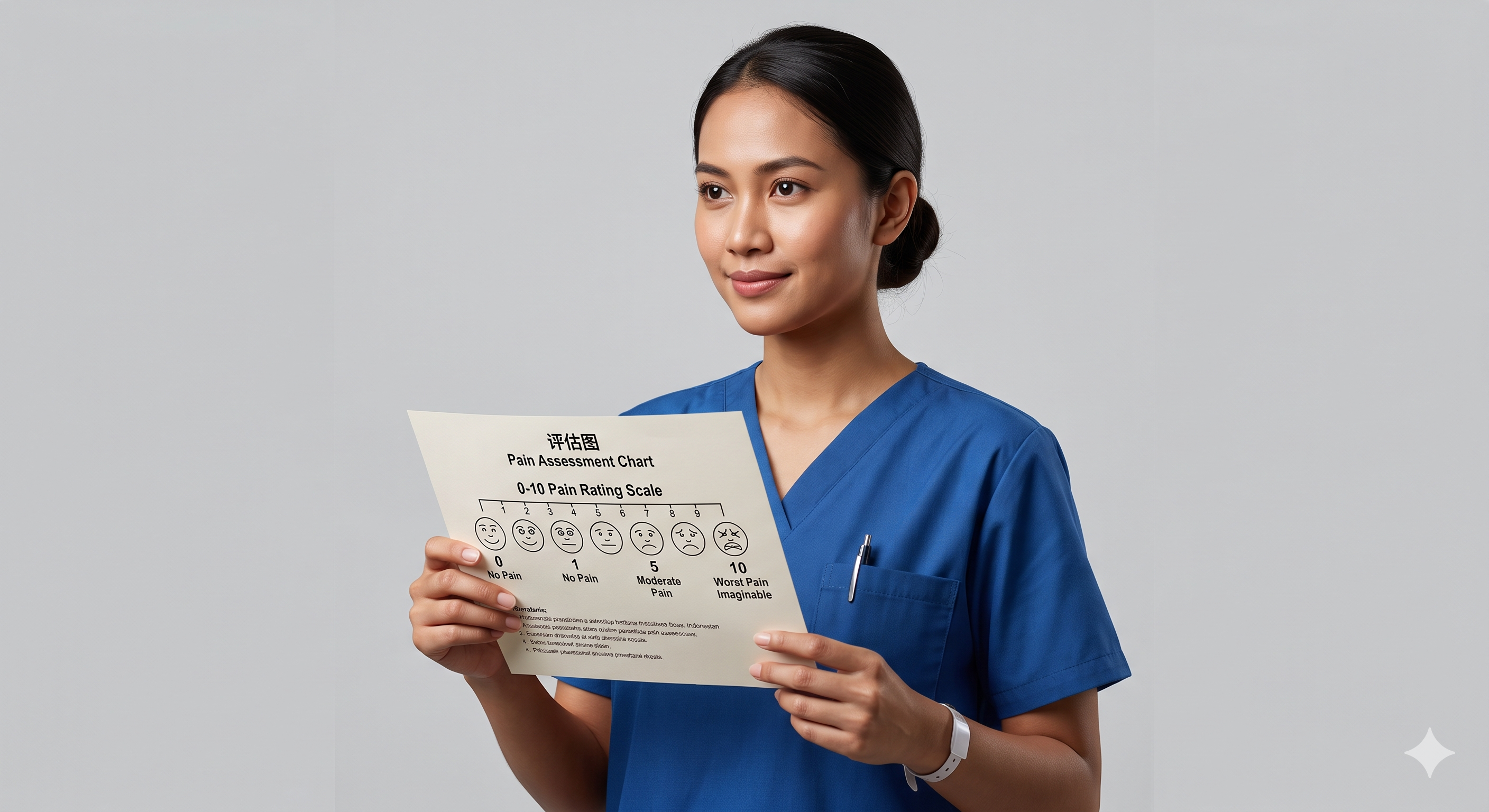
Tidak ada yang lebih menguji batas empati seorang tenaga medis daripada mendampingi seorang anak kecil yang berada di fase akhir hayatnya. Layanan paliatif pediatrik bukanlah versi miniatur dari perawatan paliatif dew...
29 JUN 2026
Nyeri yang tidak terkontrol secara adekuat merupakan salah satu bentuk penderitaan fisik dan psikologis yang paling tidak manusiawi—dan tragisnya, paling bisa dicegah. Meskipun WHO memperkirakan lebih dari 80% nyeri k...
29 JUN 2026
Keterampilan teknis medis tanpa diimbangi kompetensi komunikasi di akhir kehidupan berisiko memicu trauma psikologis jangka panjang bagi keluarga pasien. Sebaliknya, pilihan kata yang presisi, diucapkan dengan penataa...
PENERIMAAN MAHASISWA BARU
Bangun fondasi keilmuan dan kepedulian melalui pendidikan Sarjana Ilmu Keperawatan yang menekankan asuhan holistik, perawatan paliatif, evidence-based nursing, dan adaptasi terhadap teknologi kesehatan.