Vision
By 2030, to become a leading Master's Program in Nursing that excels in developing sociotechnopreneurship centered on holistic, integrated, and sustainable palliative care to improve the quality of life and public health.


Master · Universitas Prima Indonesia
Advancing Nursing Knowledge for Better Healthcare Outcomes
Advancing expertise in advanced nursing practice.
The Master of Nursing Program is designed to develop advanced nursing knowledge and skills, preparing graduates to become leaders, researchers, and exceptional nursing practitioners. The program emphasizes evidence-based practice to enhance the quality of healthcare services.Students will study various aspects of nursing, including complex case management, nursing leadership, and innovation in clinical practice. The curriculum also includes research methodologies to promote the development of nursing science relevant to global health needs.This program combines theoretical learning with clinical practice and research, enabling students to apply their knowledge in real-world situations. Students will also engage in research projects aimed at solving complex health problems.Graduates of the Master of Nursing Program are prepared to take on strategic roles in various fields, such as nursing management, nursing education, and advanced clinical practice. They also contribute to health policy development and the improvement of healthcare systems.With in-depth knowledge and skills, graduates of this program become agents of change in the nursing field, driving innovation and improving the quality of life for patients and communities as a whole.
By 2030, to become a leading Master's Program in Nursing that excels in developing sociotechnopreneurship centered on holistic, integrated, and sustainable palliative care to improve the quality of life and public health.
1. To produce Master of Nursing graduates with high competence in clinical nursing, management, and research.2. To improve the quality of nursing care through the development of innovative nursing science and technology.3. To equip students with analytical and critical skills to identify and resolve nursing problems holistically.4. To develop nursing leadership to advance evidence-based nursing practice.5. To encourage interdisciplinary and multidisciplinary collaboration in nursing research and practice to enhance community health.
The Master's Program in Nursing aims to produce graduates with high competence in the field of nursing, capable of advancing nursing science through research and contributing to improving the quality of healthcare services in society.This program is also designed to prepare nursing leaders and practitioners who can design, implement, and evaluate evidence-based nursing interventions to address complex healthcare needs.In addition, the program encourages the development of managerial and leadership skills in nursing, enabling graduates to take on strategic roles in healthcare decision-making.The Master's Program in Nursing is also committed to fostering multidisciplinary and international collaboration to enhance the quality of nursing education, research, and practice.
| Code | Course / Stage | Credits |
|---|---|---|
| KEP802001 | FILSAFAT ILMU | 2 |
| KEP802002 | SAINS DALAM KEPERAWATAN | 2 |
| KEP802003 | ETIK DAN LEGAL DALAM KEPERAWATAN | 2 |
| KEP802004 | RISET KUANTITATIF | 2 |
| KEP802005 | BIOSTATISTIK | 2 |
| KEP802006 | RISET KUALITATIF | 2 |
| KEP802007 | SISTEM INFORMASI MANAJEMEN KEPERAWATAN | 2 |
| Total | 14 | |
Fields of work and professional roles graduates may pursue after completing the program.
Lulusan Magister Keperawatan UNPRI disiapkan untuk berkarier sebagai peneliti di bidang ilmu keperawatan dan kesehatan, baik pada lembaga penelitian pemerintah (seperti Badan Riset dan Inovasi Nasional/BRIN), institusi pendidikan tinggi, rumah sakit, maupun lembaga riset swasta dan internasional. Sebagai peneliti, lulusan memiliki kemampuan untuk merancang, melaksanakan, menganalisis, dan mempublikasikan hasil penelitian yang inovatif dan teruji, dengan menggunakan pendekatan multi dan interdisiplin. Lulusan juga mampu berkontribusi dalam pengembangan evidence-based practice di tatanan klinis maupun komunitas.
Kualifikasi akademik Magister (S2) merupakan persyaratan minimal untuk menjadi tenaga pendidik (dosen) di perguruan tinggi sesuai dengan Undang-Undang Nomor 14 Tahun 2005 tentang Guru dan Dosen. Lulusan Magister Keperawatan UNPRI dengan demikian memenuhi kualifikasi untuk berkarier sebagai dosen keperawatan di institusi pendidikan tinggi kesehatan. Sebagai dosen, lulusan tidak hanya bertugas mengajar, tetapi juga mengembangkan kurikulum, melakukan penelitian, pengabdian kepada masyarakat (Tridharma Perguruan Tinggi), serta membimbing dan mengevaluasi mahasiswa.
Rumah sakit sebagai institusi layanan kesehatan membutuhkan tenaga keperawatan yang tidak hanya kompeten secara klinis, tetapi juga mampu memimpin dan mengelola sumber daya manusia, operasional layanan, dan sistem pelayanan keperawatan secara keseluruhan. Lulusan Magister Keperawatan UNPRI disiapkan untuk menduduki posisi manajerial di rumah sakit, mulai dari Kepala Ruangan, Manajer Keperawatan, Supervisor Keperawatan, hingga Kepala Bidang Keperawatan. Sebagai manajer keperawatan, lulusan bertanggung jawab atas perencanaan, pengorganisasian, pengarahan, dan pengendalian seluruh aspek pelayanan keperawatan di unit yang dipimpinnya, dengan tetap mengacu pada standar profesi, etika, regulasi hukum, serta kebijakan rumah sakit dan pemerintah.
Characteristics and capabilities expected of graduates of this study program.
Profil lulusan pertama mencerminkan visi universitas dalam membentuk individu yang unggul secara karakter dan profesional. Lulusan Magister Keperawatan UNPRI diharapkan menjadi pribadi yang memiliki etika tinggi, profesionalitas dalam menjalankan tugas, integritas dalam bersikap dan berperilaku, serta rasa tanggung jawab yang kuat terhadap profesi dan masyarakat. Selain itu, lulusan juga dituntut untuk memiliki kemampuan inovasi sosial yang adaptif, yaitu kemampuan untuk menciptakan solusi-solusi inovatif dalam merespons perubahan dan tantangan sosial-kesehatan yang ada. Jiwa wirausaha juga menjadi bagian integral dari profil ini, mendorong lulusan untuk tidak hanya menjadi pencari kerja tetapi juga pencipta lapangan kerja dan nilai tambah di masyarakat
Profil lulusan kedua merupakan manifestasi visi Fakultas Keperawatan dan Kebidanan UNPRI yang menjunjung tinggi nilai etika integritas dan professionalisme dalam bidang kesehatan dengan memanfaatkan ilmu pengetahuan dan teknologi
Profil lulusa ketiga sebagai program studi jenjang magister, penelitian merupakan salah satu core competency yang harus dimiliki lulusan. Profil ketiga menggambarkan peran lulusan sebagai ilmuwan dan peneliti yang aktif berkontribusi dalam pengembangan ilmu keperawatan. Lulusan diharapkan mampu menghasilkan penelitian yang inovatif, teruji secara metodologis, serta diakui dan dipublikasikan pada forum ilmiah nasional maupun internasional.
Profil keempat mencerminkan peran lulusan sebagai educator atau pendidik, baik di institusi pendidikan formal maupun dalam konteks klinis dan komunitas. Lulusan diharapkan mampu mengembangkan program dan materi edukasi yang kreatif, inovatif, dan berbasis bukti ilmiah (evidence-based). Pendekatan pembelajaran orang dewasa (andragogi) menjadi landasan pedagogis yang digunakan.
Profil kelima menempatkan lulusan sebagai pemimpin dan manajer dalam sistem pelayanan keperawatan. Lulusan diharapkan memiliki kompetensi kepemimpinan transformasional yang mampu mengelola organisasi pelayanan keperawatan secara efektif dan efisien. Pengambilan keputusan yang didasarkan pada etika profesi, regulasi hukum kesehatan, dan kebijakan pemerintah.
Attitudes, knowledge, and skills students are expected to achieve by graduation.
Possess devotion to God Almighty and demonstrate attitudes of religiosity, nationalism, tolerance, ethical conduct, responsibility, and morality, while upholding humanitarian values.
Lulusan harus memiliki ketakwaan kepada Tuhan Yang Maha Esa yang termanifestasi dalam perilaku sehari-hari, baik dalam kehidupan pribadi maupun profesional. Sikap religius ini diimbangi dengan nilai nasionalisme yang kuat, toleransi terhadap perbedaan, etika profesional yang tinggi, rasa tanggung jawab, moralitas yang baik, serta penghormatan terhadap nilai-nilai kemanusiaan universal. CPL ini merupakan fondasi karakter yang menjadi landasan bagi seluruh CPL lainnya. Dalam konteks keperawatan, sikap ini diwujudkan melalui pelayanan yang penuh kasih, tidak diskriminatif, dan menjaga martabat setiap pasien tanpa memandang latar belakang agama, suku, ras, atau status sosial.
Capable of serving as nurses and midwives who uphold the values of ethics, integrity, and professionalism in the healthcare sector by leveraging science and technology.
Lulusan harus menjunjung tinggi nilai etika, integritas, dan profesionalisme dalam bidang kesehatan dengan memanfaatkan ilmu pengetahuan dan teknologi
Capable of advancing nursing science and technology through logical, critical, systematic, creative, and ethical thinking, and communicating the results of such thinking to the academic community and the global community.
Mampu mengembangkan ilmu pengetahuan dan teknologi keperawatan melalui pemikiran logis, kritis, sistematis, kreatif, dan etis serta mengomunikasikan hasil pemikiran kepada masyarakat akademik dan masyarakat global.
Capable of managing evidence-based nursing research to produce validated, innovative products that address health issues in clinical and community settings, while upholding ethical and legal principles and demonstrating cultural sensitivity.
Mampu mengelola penelitian keperawatan berbasis evidence-based practice untuk menghasilkan produk inovatif teruji yang memecahkan masalah kesehatan di klinik maupun komunitas dengan memperhatikan prinsip etik, legal, dan kepekaan budaya.
Capable of developing creative and innovative clinical or community-based educational and learning programs within nursing practice and services by applying interprofessional education and collaborative practice approaches.
Mampu mengembangkan program edukasi atau pembelajaran klinis maupun komunitas yang kreatif dan inovatif dalam praktik serta pelayanan keperawatan dengan menerapkan pendekatan pendidikan interprofesional dan praktik kolaboratif.
Capable of providing leadership and making decisions within clinical, community, or educational settings—while considering ethical and legal aspects as well as local and national policies—through an interdisciplinary and multidisciplinary approach.
Mampu memimpin dan mengambil keputusan di tatanan klinik, komunitas, atau institusi pendidikan dengan mempertimbangkan aspek etik, legal, serta kebijakan lokal dan nasional melalui pendekatan inter dan multidisiplin.
Capable of organizing nursing care and coordinating with the healthcare team, while demonstrating leadership, to achieve client care goals.
Mampu menerapkan pengorganisasian asuhan keperawatan dan berkoordinasi dengan tim kesehatan yang disertai sikap kepemimpinan untuk mencapai tujuan perawatan klien. Mampu menerapkan pengorganisasian asuhan keperawatan dan berkoordinasi dengan tim kesehatan yang disertai sikap kepemimpinan untuk mencapai tujuan perawatan klien.
Capable of applying education, communication, and collaboration in delivering nursing care and services based on the latest scientific evidence.
Mampu menerapkan edukasi, komunikasi dan kolaborasi dalam memberikan asuhan dan pelayanan keperawatan berdasarkan bukti ilmiah terkini.
Capable of developing professional expertise in palliative care to provide high-quality services for patients with chronic or terminal illnesses, through an interdisciplinary and evidence-based approach.
Mampu mengembangkan keahlian profesional perawatan paliatif dalam memberikan layanan yang bermutu bagi pasien dengan penyakit kronis atau terminal, melalui
Approved and locked RPSMK are grouped by semester. The cohort source follows the newest available RPSMK for each course in that semester.
This course aims to enable students to apply the theoretical concepts of the philosophy of science to the development of contemporary nursing knowledge. It focuses on fundamental philosophical concepts, science as a basis for knowledge development, principles of logic, scientific thinking, and the domains of the philosophy of science (ontology, epistemology, and axiology), as well as their relationship to nursing science and evidence-based practice. Learning methods include exploratory and inquiry learning, collaborative learning, and problem-based learning. Assessment methods comprise written examinations, papers and presentations, self-reflection reports, and peer evaluation.
This course aims to enable students to apply various theoretical concepts of nursing science including philosophy, paradigms, the interactive relationship between education, practice, and research, the development of nursing science, the hierarchy of nursing theories based on philosophical and conceptual foundations, and the application of nursing theories in care and practice through exploratory inquiry learning and project-based learning approaches.
This course discusses concepts related to nursing ethics and law associated with nursing care and services. It focuses on ethical concepts and ethical dilemmas. Student learning activities are oriented toward understanding ethical and legal concepts in nursing and the ability to analyze related concepts as a basis for shaping nurses' values, attitudes, and behavior in facing ethical dilemmas. Learning methods: exploratory and inquiry learning and case-based learning.
The quantitative research course is a mandatory subject designed to provide an advanced understanding of quantitative research, enabling students to conduct research aimed at resolving clinical problems and/or advancing the science of nursing. This course examines the stages of the quantitative research process in depth and comprehensively, covering research design, data collection, and data management. The research designs discussed include cross-sectional, case-control, and cohort studies, as well as randomized controlled trials.This course aims to enable students to apply the theoretical concepts of the philosophy of science to the development of contemporary nursing knowledge. It focuses on fundamental philosophical concepts, science as a basis for knowledge development, principles of logic, scientific thinking, and the domains of the philosophy of science (ontology, epistemology, and axiology), as well as their relationship to nursing science and evidence-based practice. Learning methods include exploratory and inquiry learning, collaborative learning, and problem-based learning. Assessment methods comprise written examinations, papers and presentations, self-reflection reports, and peer evaluation.
This course covers the fundamentals of biostatistics and provides an introduction to parametric biostatistics. The fundamentals include the scope and role of statistics in nursing, data and data scales, concepts of descriptive statistics, populations and samples, inferential statistics, concepts of error, as well as hypothesis testing and estimation. Parametric biostatistics topics include one-sample t-tests, two-sample t-tests, analysis of variance (ANOVA), and multivariate analysis: logistic regression, linear regression, MANOVA, and GLM-RM.
This course discusses the basic concepts of qualitative research, including its philosophical dimensions, perspectives and critical issues, various qualitative research approaches, sampling techniques, data collection methods, data analysis, the transcription process, ethical issues, and data trustworthiness, as well as the development of qualitative nursing research proposals through exploratory inquiry learning and project-based learning approaches.
This course examines the concepts, roles, and development of health and nursing Management Information Systems (SIMK), including health information technology and systems in line with current policy and the digital era. The course also covers computer-based nursing data management and documentation, including nursing database systems, computer-based documentation, and data security and ethics in nursing information systems. It further addresses needs assessment and the basic design of nursing management information systems based on design thinking and simple databases, distance learning in nursing continuing professional development (CPD), career profiles in nursing informatics, and the use of computer-based nursing documentation and digital information resources to support professional nursing practice.
This course equips Master of Nursing students with the ability to compose, present, and defend thesis research findings systematically and scientifically in a result seminar. Students are trained to develop communicative presentation materials, effectively deliver research findings before supervisors, examiners, and the audience, defend their academic arguments during the question-and-answer session, and follow up on seminar feedback to refine the thesis research report.
The Thesis course is a research-based course aimed at producing a scholarly work in the form of a thesis. Students undertake the process from proposal development, proposal seminar, data collection, data analysis, and thesis writing, through to the thesis defense. This process is guided by thesis supervisors and monitored through research progress seminars.

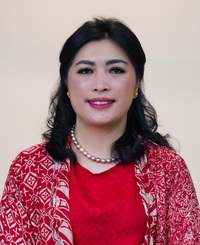
Head of Study Program


2026-01-15
Students of the Master of Nursing program actively participated in a national seminar focusing on innovation, evidence-based practice, and current healthcare challenges.
2026-02-10
The study program held a guest lecture discussing holistic palliative care, leadership in nursing, and professional development in advanced healthcare services.
2026-03-05
The Master of Nursing program continues to encourage collaborative research to support healthcare innovation, patient safety, and community-based nursing services.