Vision
To become a study program that produces superior dental graduates in the field of innovative and adaptive socio-technopreneurship by 2030


Bachelor · Universitas Prima Indonesia
The Beginning of the Journey for Future Dentists
Professional education for aspiring dentists.
A Bachelor of Dental Education, or Sarjana Pendidikan Dokter Gigi, is a specialized undergraduate program designed for individuals aspiring to become dental educators and practitioners. This degree combines rigorous coursework in dental sciences with pedagogical training, equipping graduates with the skills necessary to teach dental students and promote oral health in various community settings. The curriculum typically includes subjects such as anatomy, physiology, dental materials, and clinical practice, alongside education theory and instructional methods.Students in this program not only learn the technical aspects of dentistry but also develop essential communication and leadership skills. This dual focus prepares them to effectively convey complex information to future dental professionals and engage with diverse populations regarding oral health education. Graduates can expect to find opportunities in academic institutions, public health organizations, and dental clinics, where they can contribute to both teaching and clinical practice.The role of a dental educator is increasingly important in today's healthcare landscape, as the demand for qualified dental professionals continues to rise. By integrating education and practice, a Bachelor of Dental Education fosters a holistic approach to dental care, emphasizing the importance of preventive measures and community outreach. As dental health becomes a critical component of overall well-being, graduates are positioned to make significant contributions to the field, shaping the next generation of dental practitioners and improving public health outcomes.
To become a study program that produces superior dental graduates in the field of innovative and adaptive socio-technopreneurship by 2030
Producing competent and ethical dental graduates for the benefit of individuals, families and society.Producing dental graduates who are able to solve dental and oral health problems based on priorities for preventive and promotive actions for individuals, families and communities independently or in collaboration.Producing dental graduates who have high skills in maintaining dental and oral health and applying technology in servicesProducing dental graduates who are able to develop a socio-technopreneurship spirit in providing health services, especially dental and oral health.Producing dental graduates who are sensitive to environmental changes to improve the public's dental and oral healthProducing dental graduates who have the spirit of life long learning to face developments in knowledge and technology.Producing dental graduates who develop innovative research in solving dental and oral health problems.
Enhancing the quality of a competency-based curriculum in accordance with national and international dental education standards. Increasing the quantity and quality of research and scientific publications in the field of dentistry. Expanding collaborations with hospitals, clinics, academic institutions, and the healthcare industry to support education and research. Improving students’ clinical skills through evidence-based practice and the latest dental technology. Increasing student involvement in community service activities to raise awareness and improve public oral health. Enhancing faculty competencies through training, certification, and research in the field of dentistry. Developing technology-based learning systems to support the effectiveness and efficiency of the education process.
| Code | Course / Stage | Credits |
|---|---|---|
| PDG2603001 | Dasar Ilmu Kesehatan | 3 |
| PDG2603002 | Sistem Tubuh Manusia I | 3 |
| PDG2603003 | Sistem Tubuh Manusia II | 3 |
| PDG2603004 | Sistem Tubuh Manusia III | 3 |
| PDG2602005 | Kesehatan, Masyarakat, dan Perilaku Manusia | 2 |
| MKU602012 | Bahasa Indonesia | 2 |
| MKU602056 | Pancasila | 2 |
| MKU602083 | Agama | 2 |
| Total | 20 | |
Fields of work and professional roles graduates may pursue after completing the program.
Deskripsi OL1
Characteristics and capabilities expected of graduates of this study program.
Deskripsi PL1
Deskripsi PL2
Lulusan mampu berkomunikasi secara efektif, empatik, terapeutik, dan profesional dengan pasien, keluarga, masyarakat, sejawat, serta tenaga kesehatan lainnya, serta mampu berkolaborasi dalam tim multidisiplin dan interprofesional untuk mendukung pendidikan, pelayanan, penelitian, dan penyelesaian masalah kesehatan gigi dan mulut.
Lulusan mampu menguasai dan mengintegrasikan ilmu biomedik, kedokteran dasar, kedokteran gigi dasar, serta ilmu terkait sebagai landasan dalam memahami kesehatan dan penyakit sistem stomatognatik, serta mampu menerapkan prinsip pemeriksaan, analisis informasi, keterampilan preklinik, perencanaan perawatan, keselamatan pasien, pengendalian infeksi, ergonomi, dan penggunaan teknologi kedokteran gigi.
Lulusan mampu merancang dan melaksanakan kegiatan promosi, pencegahan, komunikasi, informasi, dan edukasi kesehatan gigi dan mulut kepada individu, keluarga, kelompok, dan masyarakat berdasarkan kebutuhan serta bukti ilmiah, dengan tujuan meningkatkan perilaku sehat dan kualitas kesehatan gigi dan mulut masyarakat.
Lulusan mampu menganalisis kebutuhan dan permasalahan kesehatan gigi dan mulut serta berkontribusi dalam perencanaan, pengorganisasian, pelaksanaan, monitoring, dan evaluasi sistem, program, dan pelayanan kesehatan gigi dan mulut berdasarkan prinsip epidemiologi, manajemen kesehatan, pemberdayaan masyarakat, advokasi, keselamatan pasien, dan peningkatan mutu pelayanan.
Lulusan mampu mengidentifikasi dan merumuskan permasalahan ilmiah di bidang kedokteran gigi, menelusuri dan mengevaluasi bukti ilmiah, menerapkan metodologi penelitian yang sesuai, mengumpulkan dan menganalisis data, serta menyusun dan mengkomunikasikan hasil penelitian secara ilmiah, etis, dan bertanggung jawab.
Attitudes, knowledge, and skills students are expected to achieve by graduation.
Demonstrates a character grounded in faith, ethical principles, and respect for human values through an independent, adaptive, and collaborative personality, while being able to implement sociotechnopreneurship principles that create a meaningful impact on society.
S1–S10, terutama karakter, kemanusiaan, tanggung jawab, kerja sama, kemandirian dan entrepreneurship; KU4, KU7–KU8, KU10–KU12
Able to design and integrate evidence-based innovative solutions and advocacy strategies for the interdisciplinary prevention and health management of degenerative diseases.
P11–P13, P19–P20, P25, P30–P33, P35–P36; KU2, KU4, KU8–KU9, KU13, KU15; terutama KK24, KK27, KK31, KK33, KK35, KK37
Able to apply the principles of professionalism, ethics, law, bioethics, patient safety, confidentiality, autonomy, beneficence, non-maleficence, veracity, and justice in the context of dental education and professional development.
S2, S7–S9, S11–S13, P1, patient safety/etik pada P7, P12–P14, P21–P22; KU1, KU3, KU11, KU14; KK3, KK7, KK10–KK11, KK16, KK20, KK25, KK28, KK32, KK36
Able to demonstrate mastery and integration of concepts in biomedical sciences, basic medical sciences, basic dental sciences, and related disciplines as a foundation for understanding the mechanisms of health and disease in the stomatognathic system and their relationship with systemic health.
Terutama P3–P25, P34, P36 serta dasar ilmiah pada KK2, KK5–KK22, KK24, KK26
Able to apply the principles of basic examination of individuals and the stomatognathic system, supporting examinations, information analysis, and preclinical dental skills in identifying problems and formulating alternative treatment plans while considering patient safety, ergonomics, infection control, and the use of dental technology.
P2–P25, P34–P36 dan terutama KK1–KK26, KK28, KK32, KK36
Able to communicate effectively, empathetically, therapeutically, and professionally, and to collaborate within multidisciplinary and interprofessional teams with patients, families, communities, peers, and healthcare professionals in the contexts of education, research, healthcare services, and oral health problem-solving.
S5–S6, S11–S13; P2, P7–P8, P14, P21, P24, P26, P28, P32–P33, P35–P36; KU4, KU8–KU10; KK1, KK11, KK15–16, KK20, KK22–23, KK29, KK34–37
Able to design and implement oral health promotion, prevention, communication, information, and education activities for individuals, families, groups, and communities based on identified needs and scientific evidence.
P15, P17, P19, P27, P29–P31; KK15–17, KK19–20, KK23, KK30–31, KK33–34
Able to analyze oral health problems among individuals, groups, and communities and to design alternative programs based on epidemiology, community empowerment, health management, advocacy, and program evaluation in accordance with community health needs.
P28–P33, P35; KU7–KU10, KU13; KK27–KK31, KK33–KK35, KK37
Able to formulate scientific problems, search for and critically evaluate scientific evidence, apply appropriate research methodologies, collect and analyze data, and prepare and communicate research findings in dentistry responsibly.
P11–P13 dan berbagai P berbasis evidence; KU2–KU6, KU12–KU15; KK5–KK7, KK12, KK17, KK19, KK24–KK27, KK30–KK33
Able to apply logical, critical, systematic, reflective, and creative thinking in identifying and solving dental problems, make decisions based on relevant information, and continuously develop professional competencies in accordance with advances in science, technology, and dental practice.
KU2, KU5–KU8, KU12–KU13, KU15 serta KK5–KK6, KK11–12, KK19, KK24, KK26–KK27, KK29–KK30, KK32–KK36
Approved and locked RPSMK are grouped by semester. The cohort source follows the newest available RPSMK for each course in that semester.
Fundamental of Health Science is a foundational course integrating principles of chemistry, biochemistry, cell and molecular biology, and genetics as a basis for understanding normal body structure and function, homeostasis, fundamental mechanisms of disease, and their relevance to dentistry.
Human Body Systems I is a foundational course that examines the macroscopic and microscopic structures, functions, and basic biochemical aspects of body tissues, the integumentary system, the musculoskeletal system, and the nervous system. The course integrates anatomy, histology, physiology, and biochemistry through theoretical and practical learning to develop an understanding of structure–function relationships in the human body as a foundation for dental education.
Human Body Systems II is a foundational course that examines the macroscopic and microscopic structures, functions, and basic biochemical aspects of blood and the lymphatic, cardiovascular, respiratory, and urinary systems. The course integrates anatomy, histology, physiology, and biochemistry through theoretical learning, practical sessions, and skills laboratory activities to develop an understanding of substance transport, circulation, gas exchange, fluid and electrolyte balance, acid–base regulation, and excretion as essential processes in maintaining human body homeostasis.
Human Body Systems III is a foundational course that examines the macroscopic and microscopic structures, functions, and basic biochemical aspects of the digestive, endocrine, and reproductive systems, as well as the special senses. The course integrates anatomy, histology, physiology, and biochemistry through theoretical learning, practical sessions, and skills laboratory activities to develop an understanding of nutrient digestion and absorption, metabolism and energy balance, neuroendocrine and hormonal regulation, reproductive function, and the mechanisms of vision, hearing and balance, olfaction, and taste. The course provides a foundation for understanding the relationships of systemic conditions, nutritional status, hormonal changes, pregnancy, and sensory function with health and dental care.
Health, Society, and Human Behavior is a longitudinal course that examines the relationships among health, society, culture, environment, and human behavior as a foundation for understanding health and oral health at individual, group, and community levels. The course integrates public health, sociology, anthropology, psychology, and health communication through the study of concepts of health and illness, health determinants, sociodemographic characteristics, family and culture, health inequalities and access to care, health behavior and behavior change, health literacy and digital information, empathetic communication, motivation and adherence, psychological responses to healthcare, and the principles of health promotion, disease prevention, and tele-education.
Indonesian Language is a compulsory General Course (MKU) that all students must take. It is offered to strengthen students' character and is available in both odd and even semesters. The scope of the course covers the historical development of the Indonesian language, its status and functions, general spelling guidelines, word formation processes, word choice, sentences and effective sentences, paragraphs and their development patterns, scientific papers, popular scientific writing, and official letter writing.
This course aims to equip students with a comprehensive understanding of Pancasila as the foundation of the state, the state ideology, the nation’s way of life, and a source of values that guide social, national, and civic life.
General education in religion refers to foundational courses designed to develop students' understanding of spiritual values, ethics, morals, and theological teachings from their respective faiths, while fostering religious tolerance and moderation within a pluralistic society.
Oral Pathology is a course that examines various disorders and diseases involving the hard and soft tissues of the oral cavity, as well as the manifestations of systemic diseases in the oral cavity, covering aspects of etiology, risk factors, pathogenesis, clinical signs and symptoms, diagnosis, differential diagnosis, and principles of management. This course equips dental students with the ability to recognize, explain, and perform an initial assessment of various pathological conditions of the oral cavity, enabling them to determine the need for further examination, provide initial management according to their competencies, and make referrals when necessary.
The Pharmacology and Therapeutics course covers fundamental pharmacological concepts and principles and their application in dental clinical practice, including pharmacokinetics, pharmacodynamics, mechanisms of drug action, indications and contraindications, adverse effects, drug interactions, drug selection, dosage calculation, and principles of rational, safe, and effective pharmacotherapy for various clinical conditions relevant to dentistry.
This course covers the fundamental concepts of clinical pathology and laboratory examinations relevant to dentistry, including laboratory safety and specimen preparation; hematopoiesis, hemostasis, coagulation, and fibrinolysis; disorders involving erythrocytes, leukocytes, platelets, and coagulation; blood typing; hematology; and liver and kidney function, along with their associations with oral manifestations. Instruction is delivered through lectures, discussions/Small Group Discussions (SGD), independent study, skills simulations, and case studies to develop students' ability to understand and apply basic interpretations of laboratory test results in a manner that is systematic, safe, ethical, and within the scope of student competence.
The Microbiology course covers the basic concepts of microorganisms, genetics, pathogenesis, microbiota, ecology, and biofilms, as well as the role of microorganisms in oral health and disease, including dental caries and oral infections. The course also covers the principles of microbiological examination and microorganism identification, as well as the interpretation of microbiological examination results through theoretical and practical learning activities.
This course covers the structure and function of periodontal tissues, defense mechanisms, etiology and pathogenesis of periodontal diseases, dental plaque and biofilm, dental calculus, local, systemic and hormonal factors, classification of diseases and conditions affecting the periodontium, and clinical and radiographic characteristics of periodontal diseases. Learning is conducted through lectures, self-directed learning, case-based learning, small group discussions, and skills laboratory sessions to develop students' knowledge and basic periodontal examination skills systematically, accurately, safely, and responsibly.
A course covering the concepts and fundamental principles of general anesthesia, including the definition and stages of anesthesia, pain and the nervous system, the effects of anesthesia on physiological body functions, the selection and use of anesthetic agents, patient safety, the prevention and initial management of complications, and the ethical and legal aspects of anesthesia services in the context of dental practice.
General Surgery is a course that covers the fundamental concepts and principles of surgery, including aseptic and sterilization principles, hemostasis, wound healing, preoperative evaluation and preparation, anesthesia, perioperative management, infection, trauma and emergency conditions, shock, systemic surgical conditions, head and neck surgery, as well as postoperative complications and care, with an emphasis on their relevance to dental practice.
This course covers the basic principles of oral and maxillofacial surgery, including anatomy and physiology, patient examination, diagnostic investigations, medically compromised patients, preoperative preparation, infection control, ergonomics and armamentarium, local anesthesia, closed and open tooth extraction, surgical principles, and simple odontectomy.
This course covers prevention, recognition, assessment, diagnosis, and initial management of medical emergencies and trauma involving soft tissues and dentoalveolar hard tissues, including ATLS introduction, allergic reactions, choking, shock, cardiac arrest, soft-tissue injuries, and dentoalveolar fractures.
Cariology is the science that comprehensively studies dental caries, encompassing etiology, risk factors, the processes of lesion initiation and progression, diagnosis and detection, risk assessment, and strategies for prevention and control based on the principles of preventive and minimally invasive dentistry.
Dental Anatomy is a course that systematically studies the anatomy and morphology of the human dentition, covering the shape, size, structure, surfaces, and parts of the teeth; the characteristics of each tooth in the upper and lower jaws; and the relationship between the teeth and the surrounding tissues and structures. Instruction is delivered through lectures, independent study, and a final exam to develop knowledge and skills in basic periodontal examination in a systematic, accurate, safe, and responsible manner.
This course covers the fundamental principles of operative dentistry, including patient assessment, examination, diagnosis and treatment planning, infection control, patient ergonomics, instrumentation and isolation of the operating field, pain management, tooth preparation, pulp protection, adhesion to enamel and dentin, as well as the principles and techniques of restoration using composite resin, glass ionomer cement, amalgam, cast metal, and veneers. Instruction is delivered through expert lectures, independent study, tutorials/small-group discussions (SGDs), plenary sessions, and skills laboratories to develop knowledge, basic clinical skills, workplace safety, precision, and professional responsibility in restorative care.
Dental Radiology I is a course that covers the basic principles of radiation and its use in producing radiographic images to support the examination, diagnosis, and evaluation of the condition of teeth, periodontal tissues, and the anatomical structures of the oral cavity and maxillofacial region. This course covers radiation physics, X-ray production, the biological effects of radiation, radiation protection and safety, regulatory aspects of radiology, intraoral radiography techniques, geometric projections, digital and film imaging, anatomical landmarks, and the interpretation of radiographic images, particularly of periodontal tissues.
Biomaterials and Dental Technology I is a course that examines the fundamental principles, characteristics, composition, and physical, mechanical, chemical, and biological properties—as well as technological developments—of various materials used in dental practice. The course covers the types, indications, manipulation, usage, advantages, and limitations of dental materials, including restorative materials, impression materials, model and die materials, luting agents, bases and liners, resins, metals, ceramics, preventive dental materials, and materials utilized in clinical and laboratory procedures.
This course aims to equip students with a comprehensive understanding of Pancasila as the foundation of the state, the state ideology, the nation’s way of life, and a source of values that guide social, national, and civic life.
This course covers the fundamental principles of orthodontics, including craniofacial growth and development, tooth development and eruption, normal occlusion and malocclusion, the etiology and classification of malocclusion, orthodontic examination and diagnosis, space analysis and study models, radiographic examination and basic cephalometric analysis, as well as the basic principles of orthodontic treatment planning. Learning is conducted through expert lectures, independent study, tutorials/small group discussions (SGDs), plenary sessions, and practical/skills lab activities to develop knowledge, basic clinical skills, analytical abilities, precision, communication skills, patient safety awareness, and professional responsibility in orthodontic care.
The Occlusion and Temporomandibular Joint (TMJ) course covers the concepts and principles of occlusion, as well as the anatomy, function, and biomechanics of the temporomandibular joint in relation to the stomatognathic system. The course includes occlusal relationships, mandibular movements, articulation, masticatory muscle function, and the interactions among the teeth, muscles, and TMJ.
This course covers principles of embryonic and fetal development, development of the head, face, oral cavity, teeth and dentition, craniofacial growth, genetic and molecular foundations of development, and craniofacial and dental developmental anomalies. Learning is conducted through expert lectures, self-directed learning, case-based/SGD discussions, post-tests, and structured activities to develop understanding of normal development and its clinical relevance to dentistry.
This course covers the fundamental principles of dental materials—specifically polymers and resins—as well as the principles of cutting, grinding, finishing, and polishing, and the laboratory processes involved in fabricating and finishing resin-based bases or prostheses.
This course covers the principles and concepts of Removable Partial Dentures (RPD), including the concepts of tooth loss; RPD requirements, indications, and contraindications; examination, diagnosis, and classification of tooth loss; abutment selection; treatment planning and pre-prosthetic treatment; anatomical and physiological impressions; RPD bases and components; biomechanical principles; RPD surveying and design; masticatory force distribution; occlusal relationships; laboratory procedures and metal-framework dentures; as well as try-in, insertion, and post-insertion evaluation stages. Instruction is delivered through expert lectures, independent study, tutorials/Small Group Discussions (SGDs), plenary sessions, and preclinical skills activities designed to develop knowledge, analytical abilities, basic clinical skills, precision, patient safety awareness, communication skills, and professional responsibility regarding RPD planning and care.
Prosthodontics (Fixed Prosthodontics) is a course that examines the scientific and clinical principles, concepts, and procedures involved in the planning, fabrication, placement, and maintenance of prosthodontic restorations permanently attached to teeth or supporting structures, with the aim of restoring masticatory function, speech, and aesthetics, as well as maintaining the health of the supporting tissues. This course covers an understanding of diagnosis and treatment planning, the principles of abutment tooth preparation, restoration design, impression taking, the fabrication of temporary and definitive restorations, material selection, occlusal relationships, cementation, as well as the evaluation and maintenance of fixed dentures.
This course covers fundamental principles of dental materials used in oral restorative and rehabilitative procedures, including luting cements, cast dental alloys, metal joining, dental ceramics, casting investments, and casting principles and procedures. Learning activities address structure, composition, properties, indications, manipulation, material selection, and application through lectures, discussions, and laboratory skills.
The Pedodontics 1 course equips students with the knowledge, preclinical skills, and professional attitudes required to understand and apply the principles of comprehensive pediatric dental care. Course topics include child development; communication and behavior management; craniofacial and dental growth and development; examination and diagnosis; patient safety; pediatric caries and periodontal disease; prevention; dental health education; dental public health; nutrition; oral pathology; restorative care; dental materials; radiography; pain perception and control; medical emergencies; pharmacological behavior management; skills laboratory sessions; OSCE; Skills Lab examinations; and the final course examination. The course employs an Outcome-Based Education (OBE) approach, emphasizing the integration of knowledge, skills, patient safety, communication, decision-making, and professionalism.
Preventive and Health Promotion is a course that examines the concepts and principles of public health as applied to promotive, preventive, basic curative, and rehabilitative efforts in the field of dental and oral health at the individual, family, group, and community levels. This course covers the identification and analysis of oral health issues based on demographic data, risk factors, community needs, and priority issues, followed by the planning, implementation, and evaluation of oral health programs through health promotion, disease prevention, community empowerment, advocacy, and cross-sectoral collaboration.
This course discusses health behavior and oral health behavior, determinants of behavior, behavior-change theories, motivation, health-illness concepts and prevention, evaluation of behavior change, social psychology, and learning theories in health education. Students are guided to understand and apply behavior-management principles in communication and oral health education.
The Thesis : Proposal course equips students with the skills to identify and formulate research problems, examine scientific evidence and research gaps, construct a scientific framework and research methodology design, and refine all proposal components into a research manuscript that is systematic, consistent, and compliant with scientific standards, while upholding academic integrity and responsibility.
The Dental Radiology course is a course that covers the basic principles and concepts of radiology and the use of radiographic examinations to support diagnosis and treatment in dentistry. The course includes an understanding of radiographic anatomy of the head and neck, skeletal development, radiographic examination techniques and principles, interpretation of radiographic findings, and identification of normal conditions, abnormalities, and diseases of the stomatognathic system
General education in religion refers to foundational courses designed to develop students' understanding of spiritual values, ethics, morals, and theological teachings from their respective faiths, while fostering religious tolerance and moderation within a pluralistic society.
This course covers the principles and sequential procedures involved in the fabrication of Removable Partial Dentures, including anatomical and functional impression techniques, fabrication of individual impression trays, surveying and designing of the master cast, fabrication of temporary denture bases and occlusal rims, recording maxillomandibular relationships and mounting casts on an articulator, tooth arrangement, try-in procedures, denture insertion, and post-insertion follow-up. Learning activities are conducted through lectures and skills laboratory sessions to develop students’ knowledge and clinical skills in performing removable partial denture procedures systematically, accurately, and in accordance with established prosthodontic principles. Students’ competency attainment is assessed through an Objective Structured Clinical Examination (OSCE).
This course discusses the principles and stages of complete denture fabrication for completely edentulous patients, including anatomical and functional impressions, mounting casts on an articulator, fabrication of bite rims, determination of vertical dimension, arrangement of artificial teeth, selective grinding and remounting, as well as try-in, insertion, and follow-up. Learning activities are conducted through skills laboratory sessions and OSCEs to develop students’ knowledge, clinical and preclinical skills, and professional attitudes in performing prosthodontic procedures systematically, accurately, safely, and in accordance with patient safety principles.
This course covers the principles and stages of fixed prosthodontic treatment, including anatomical and definitive impression taking, bite registration, treatment planning, abutment tooth preparation, gingival retraction, and the fabrication and insertion of a provisional fixed dental prosthesis. Students also learn cast mounting on the articulator, coping fabrication, coping try-in, shade selection, and fixed dental prosthesis insertion, and integrate all stages through a comprehensive review. Learning is conducted through theoretical instruction and skills-based practical training, with emphasis on the systematic, accurate, safe, and responsible application of prosthodontic principles using standardized models or patients. Students’ clinical and practical competencies are assessed through an Objective Structured Clinical Examination (OSCE) at the end of the course.
This course covers the principles and procedures of tooth restoration, including Class I, II, III, and IV cavity restorations, Class V Glass Ionomer Cement (GIC) restorations, as well as direct and indirect pulp capping. Students learn the principles of material selection and restorative techniques and apply procedural stages in accordance with systematic, accurate, and safe principles of operative dentistry. Learning is conducted through expert lectures and Objective Structured Clinical Examination (OSCE), with emphasis on students’ ability to apply restorative knowledge and skills to various clinical conditions.
This course covers the fundamental principles and procedures of endodontic treatment, including root canal treatment of vital and non-vital teeth, rubber dam placement, and post-endodontic restoration using onlays, posts, and full crowns. Students apply procedural knowledge and skills through expert lectures, case reviews, Small Group Discussions (SGD), and skills laboratory sessions, while integrating the stages of treatment systematically, accurately, and safely. Student competency is assessed through an Objective Structured Clinical Examination (OSCE) and a final examination.
This course covers the fundamental principles and application of periodontal treatment, including periodontal examination, diagnosis, prognosis determination, treatment planning, non-surgical and basic surgical periodontal therapy, as well as the maintenance and evaluation of periodontal health. Students apply knowledge and skills to identify periodontal conditions and systematically, accurately, and safely perform periodontal examination and treatment procedures in accordance with periodontal principles. Learning is conducted through expert lectures and structured assignments. Student competency is assessed through written examinations and an Objective Structured Clinical Examination (OSCE).
This course covers the fundamental principles of diagnosis, malocclusion classification, cephalometric and model analysis, and orthodontic treatment planning. Students learn to apply orthodontic principles through expert lectures, question analysis and review, structured assignments, and a written final examination. Students then apply these principles in skills laboratory sessions using typodonts, including malocclusion assessment, diagnostic analysis and treatment planning, appliance insertion, and progressive treatment monitoring. Learning is designed to enable students to systematically and accurately apply orthodontic principles in accordance with patients’ treatment needs.
The Oral Medicine course in the seventh semester of the Undergraduate Dental Medicine Program covers the principles of medical history taking, medical records, screening, comprehensive clinical examination, diagnosis, and management of various oral diseases and disorders, including oral manifestations of systemic diseases. Students learn informed consent, prescription writing, clinical communication and documentation, as well as the management of conditions such as recurrent aphthous stomatitis, angular cheilitis, denture stomatitis, tongue disorders, and various oral mucosal conditions. Learning is conducted through expert lectures, self-directed learning, Small Group Discussions (SGD), structured assignments, and skills laboratory sessions, while student competency is assessed through examinations and an Objective Structured Clinical Examination (OSCE).
This course covers the concepts, principles, and applications of esthetic dentistry in achieving functional and esthetic harmony of the stomatognathic system. Topics include esthetic principles, proportion and symmetry, the golden proportion, facial and dental analysis, smile design, tooth color and shade, dental photography, wax-up and mock-up procedures, as well as materials and techniques for tooth-colored restorations, including composite resin, bonding, minimally invasive techniques, veneers, inlays, onlays, crowns, and bridges. The course also addresses the roles of Orthodontics and Periodontology in esthetic treatment, including the management of diastema, crowding, smile arc, midline shift, gingival contouring, crown lengthening, and gingival recession, as well as ethical considerations, informed consent, patient expectations, and legal aspects of esthetic dental practice. Learning activities are conducted through expert lectures, self-directed learning, discussions, and case reviews, with competency evaluated through written examinations and/or case-based assessments.
This course covers the fundamental concepts, principles, and procedures for the management of oral surgical cases. Topics include patient history taking and examination, ergonomics and surgical armamentarium, local anesthesia techniques, closed and open tooth extraction procedures, alveolectomy, and alveoloplasty. Students learn the principles of indications, contraindications, procedural preparation, operative techniques, and patient safety in oral surgical procedures. Learning activities are conducted through self-directed learning, expert lectures, case and question reviews, and skills laboratory sessions. Student competency is evaluated through the final written examination and skills laboratory examination to assess the mastery of fundamental knowledge and skills in Oral Surgery.
This course covers the concepts, principles, and initial management of various traumatic conditions and medical emergencies that may occur in dental practice. Topics include the recognition and assessment of medical emergencies, management of hemorrhage and dry socket, oral–antral communication, temporomandibular joint dislocation, odontogenic infections, and the management of trauma and dental-related emergency conditions, including eye procedures and Essig procedures. Learning activities are conducted through self-directed learning, expert lectures, case and question reviews, and skills laboratory sessions, with emphasis on the application of patient safety principles and systematic, appropriate, and safe clinical interventions. Student competency is evaluated through the final course examination and skills laboratory examination to assess their mastery of knowledge and skills in the management of dental trauma and medical emergencies.
The Dental Implantology course in the Undergraduate Dental Medicine Program, Semester 7, covers the concepts, principles, and stages of dental implant treatment as an alternative approach to the rehabilitation of missing teeth. Topics include the history and development of dental implants, types, indications and contraindications, osseointegration, biocompatibility, osteogenesis, implant materials, clinical examination and diagnosis, prognosis, and treatment planning. The course also addresses the stages of dental implant placement, including antiseptic and analgesic management, flap surgery, drilling, suturing, prosthodontic treatment, dental implant maintenance, and the management and prevention of complications. Learning activities are conducted through self-directed learning and expert lectures, with student learning outcomes evaluated through quizzes and a final examination to assess their understanding of the concepts and principles of dental implant treatment.
This course covers the concepts and principles of etiology, pathogenesis, pathological changes, clinical manifestations, and diagnostic principles of various diseases and disorders affecting the oral cavity and maxillofacial region. Topics include pathological processes involving the hard and soft tissues of the oral cavity, salivary glands, jawbones, and maxillofacial structures, including inflammatory conditions, infections, cysts, neoplasms, and other disorders relevant to dental practice. Learning activities are conducted through self-directed learning, expert lectures, question reviews, Small Group Discussions (SGD), and case-based discussions. Student learning outcomes are evaluated through pre-tests, post-tests, and a final examination to assess their understanding of the concepts and characteristics of pathological diseases and disorders affecting the oral and maxillofacial regions.
This course covers the concepts, principles, techniques, and applications of radiographic examinations in support of dental diagnosis. Topics include periapical, panoramic, and cephalometric radiographic techniques, conventional film processing, radiographic quality evaluation, and interpretation of radiographic findings in various pathological conditions and disorders, including temporomandibular joint disorders, paranasal sinus diseases, neoplasms and tumors, and salivary gland diseases. Learning activities are conducted through self-directed learning, expert lectures, Small Group Discussions, tutorials, plenary sessions, skills laboratory sessions, and Objective Structured Clinical Examinations (OSCE), with an emphasis on students' ability to perform radiographic techniques, evaluate radiographic quality, and systematically and accurately interpret radiographic findings.
This course in Pediatric Dentistry, offered in Semester 7 of the Undergraduate Dental Medicine Program, covers the concepts, principles, and application of oral and dental health care for pediatric patients, with consideration of child growth and development as well as the conditions of primary and newly erupted permanent teeth. Topics include examination and diagnosis, pediatric patient management, prevention of oral and dental diseases, glass ionomer cement (GIC) restorations, preventive resin restorations, fissure sealants, space maintainers, pediatric tooth extraction, pulp therapy including pulpotomy and pulpectomy, and root canal treatment. Learning activities are conducted through self-directed learning, expert lectures, question reviews, Small Group Discussions, plenary sessions, skills laboratory sessions, and OSCEs, with an emphasis on applying clinical knowledge and skills to the systematic, accurate, and safe management of pediatric patients in accordance with the principles of Pediatric Dentistry. Assessment is conducted through the final course examination and OSCE to evaluate students’ achievement of the intended competencies.
This course equips students with the ability to identify and analyze oral and dental health problems among individuals with degenerative diseases based on scientific evidence, and to design innovative educational and advocacy solutions according to the needs of the target population. Learning activities cover the concepts of degenerative diseases and their relationship to oral and dental health problems, identification of health problems and risk factors, application of evidence-based oral health promotion, development of educational messages and media, advocacy strategies, interdisciplinary approaches, implementation of educational interventions, and basic evaluation using pre-tests and post-tests. Working in groups, students develop and implement an Evidence-Based Education and Advocacy Project in the form of educational media and advocacy products, followed by analysis of evaluation results to formulate recommendations for project improvement and sustainability.
Dissemination is a course designed to equip students with the skills to plan, structure, present, and account for their thesis research findings in an academic forum in a systematic, scientific, and professional manner. Students are guided to understand the principles of ethics, academic integrity, and responsibility regarding research dissemination; to identify objectives, audience characteristics, and key research messages; and to design effective presentation materials and scientific media. The course also develops skills in oral communication, data visualization, scientific argumentation, critical appraisal, the identification of research strengths and limitations, and the logical, critical, systematic, and reflective handling of scientific feedback. By the end of the course, students are expected to be able to integrate all research components, as well as present, defend, and follow up on their thesis findings comprehensively, while upholding academic integrity and scientific responsibility.
The Thesis : Proposal course equips students with the skills to identify and formulate research problems, examine scientific evidence and research gaps, construct a scientific framework and research methodology design, and refine all proposal components into a research manuscript that is systematic, consistent, and compliant with scientific standards, while upholding academic integrity and responsibility.
Mata kuliah Skripsi: Laporan Penelitian membekali mahasiswa dengan kemampuan mengelola, menganalisis, menginterpretasikan, dan menyajikan data penelitian, mengintegrasikan hasil dengan bukti ilmiah, serta menyusun dan menyempurnakan laporan penelitian menjadi naskah skripsi yang sistematis, objektif, dan sesuai kaidah ilmiah dengan menjunjung integritas akademik dan tanggung jawab.
Publication equips students with the ability to understand publication ethics, select appropriate journals, transform thesis findings into scientific manuscripts, align manuscripts with author guidelines, and carry out the processes of finalization, submission, and revision—based on peer review—in a systematic, scientific, and responsible manner that upholds academic integrity.

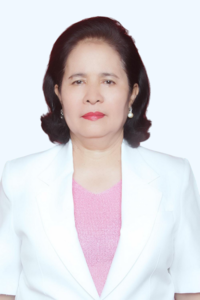
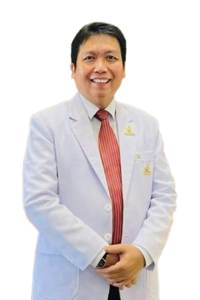
Head of Study Program






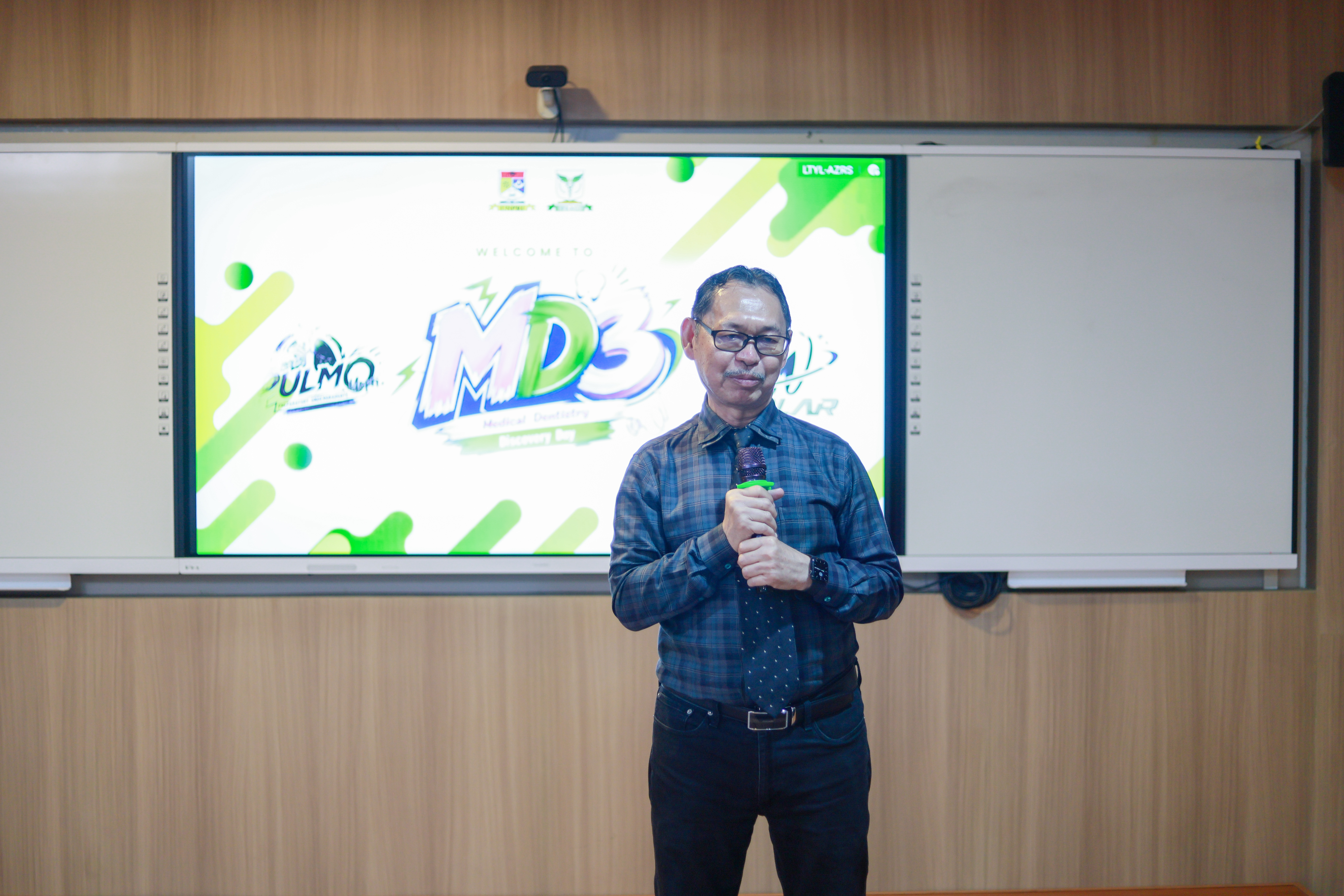
12 JUN 2026
Medan, 11 Juni 2026 — Fakultas Kedokteran dan Kedokteran Gigi (FKKG) Universitas Prima Indonesia (UNPRI) kembali sukses menyelenggarakan Medical Dental Discovery Day (MD3) Batch 2 di Hybrid Classroom Lantai 12 Kampus ...