Vision
Producing family medicine residency programs graduates Professional, Sociotechnopreneurship insightful and superior in disease degenerative.



Residency Programs · Universitas Prima Indonesia
Educating Future Leaders in Family Medicine and Primary Care
Residency programs focusing on primary family healthcare services.
The Family Medicine Residency Programs is an advanced education program for doctors specializing in family and community-based healthcare services. This program aims to train specialists capable of providing comprehensive and continuous primary healthcare. Students receive training in diagnosis, chronic disease management, disease prevention, and health promotion at the individual, family, and community levels. The clinically and community-based curriculum enables students to develop skills in holistic patient care. In addition to clinical skills, this program emphasizes doctor-patient communication, coordination with other healthcare professionals, and research in family medicine. Students are encouraged to publish scientific papers and participate in academic seminars to broaden their knowledge. Graduates of this program are expected to work in various primary healthcare facilities, such as community health centers, family clinics, and hospitals, focusing on community-based healthcare and disease prevention.
Producing family medicine residency programs graduates Professional, Sociotechnopreneurship insightful and superior in disease degenerative.
Produce primary care family medicine specialist graduates professional, ethical, has sociotechnopreneurship insight, excels in degenerative diseases, as well as being able to provide health services comprehensive, centered on individuals, families and communities, with a sustainable and focused bio-psycho-social approach development of the health workforce community. Produced superior scientific work in the field of degenerative diseases who contribute to the development of medical science and technology, and are capable used to solve public health problems in Indonesia with a comprehensive and sustainable approach. The production of sociotechnopreneurship-based community service which is supported by scientific reasoning and research work in the field degenerative diseases, in order to provide innovative and sustainable solutions for improving public health. Producing quality Tridharma higher education services through optimal resource management, supported by cooperation strategic with institutions both domestic and foreign, to support development of education, research and community service in field of Primary Care Family Medicine.
The realization of Primary Care Family Medicine Specialist graduates professional, superior in degenerative diseases, ethical, and has sociotechnopreneurship insight, with the ability to providecomprehensive and sustainable health services that are centered on individuals, families and communities. The realization of superior scientific work in the field of degenerative diseases who contributed significantly to the development of medical science and technology, and can be used to solve public health problems in Indonesia with a comprehensive, sustainable and based on primary care The realization of sociotechnopreneurship-based community service which is supported by scientific reasoning and research work in disease degenerative, which is of real benefit to resolve public health problems in an innovative and sustainable manner. The realization of excellent educational services with good governance well, to ensure the achievement of specialist graduate competency Quality Primary Care Family Medicine Creation of quality and mutual institutional cooperation profitable, both with domestic and foreign institutions, for use supports the achievement of graduate competencies in accordance with primary health care needs Creation of superior and competent human resources, to supports the achievement of graduate competencies that are able to provide comprehensive primary health care Creation of superior and accomplished students, both in their fields academic and non-academic, with the ability to apply holistic and sustainable family medicine.
| Code | Course / Stage | Credits |
|---|---|---|
| KLP8201 | Dasar-Dasar Kedokteran Keluarga Layanan Primer | 2 |
| KLP8102 | Komunikasi, Profesionalisme, dan Kolaborasi antar Profesi | 1 |
| KLP8203 | Kepemimpinan dan Manajemen Kedokteran Keluarga Layanan Primer | 2 |
| KLP8104 | Evidence Based Medicine Pada Kedokteran Keluarga Layanan Primer | 1 |
| KLP8205 | Metodologi Penelitian dan Biostatistik Kedokteran Keluarga Layanan Primer | 2 |
| KLP8206 | Sociotechnopreneurship | 2 |
| KLP8107 | Biologi Molekuler dan Genetika Penyakit Degeneratif | 1 |
| Total | 11 | |
| Code | Course / Stage | Credits |
|---|---|---|
| KLP8208 | Home-Based Primary Care | 2 |
| KLP8409 | Kesehatan Wanita dan Reproduksi | 4 |
| KLP8410 | Kesehatan Bayi Baru Lahir, Anak, dan Remaja | 4 |
| Total | 10 | |
| Code | Course / Stage | Credits |
|---|---|---|
| KLP8211 | Kesehatan Endokrin, Metabolisme, dan Nutrisi | 2 |
| KLP8212 | Kesehatan Sistem Kardiovaskuler dan Respirasi | 2 |
| KLP8213 | Kesehatan Sistem Pria | 2 |
| KLP8214 | Kesehatan Lanjut Usia | 2 |
| KLP8215 | Masalah Onkologi dan Layanan Paliatif | 2 |
| KLP8216 | Teknologi Informasi Kesehatan Layanan Primer* | 2 |
| Total | 12 | |
| Code | Course / Stage | Credits |
|---|---|---|
| KLP8217 | Telemedisin dalam Kedokteran Keluarga* | 2 |
| KLP8118 | Kesehatan Indra Mata | 1 |
| KLP8119 | Kesehatan Indra THT | 1 |
| KLP8120 | Kesehatan Sistem Integumen | 1 |
| KLP8121 | Kesehatan Sistem Saraf | 1 |
| KLP8222 | Kesehatan Jiwa | 2 |
| KLP8423 | Masalah Bedah dan Kegawatdaruratan | 4 |
| Total | 12 | |
| Code | Course / Stage | Credits |
|---|---|---|
| KLP8224 | Pemeriksaan Penunjang | 2 |
| KLP8225 | Rehabilitasi Fisik dan Rehabilitasi Medik | 2 |
| KLP8226 | Kedokteran Okupasi | 2 |
| KLP8427 | Penyakit Degeneratif Terpilih* | 4 |
| KLP8228 | Seminar Proposal | 2 |
| Total | 12 | |
| Code | Course / Stage | Credits |
|---|---|---|
| KLP8229 | Manajemen Fasyankes Primer | 2 |
| KLP8430 | Praktik KKLP di Fasyankes Primer Pedesaan* | 4 |
| KLP8431 | Praktik KKLP di Fasyankes Primer Perkotaan* | 4 |
| Total | 10 | |
| Code | Course / Stage | Credits |
|---|---|---|
| KLP8232 | Publikasi Hasil Penelitian | 2 |
| KLP8633 | Tesis | 6 |
| Total | 8 | |
Fields of work and professional roles graduates may pursue after completing the program.
Dokter Spesialis Kedokteran Keluarga Layanan Primer (Sp.KKLP) adalah dokter spesialis yang mampu memberikan pelayanan kedokteran keluarga dan pelayanan kesehatan primer secara komprehensif, berkesinambungan, terintegrasi, terkoordinasi, aman, dan bermutu, yang berpusat pada individu, berfokus pada keluarga, dan berorientasi pada komunitas melalui pendekatan biopsikososial dan siklus kehidupan dengan mengintegrasikan Patient-Centered Care (PCC), Family-Oriented Medical Care (FOMC), Community-Oriented Primary Care (COPC), dan Primary Care Practice and Management (PCPM); mampu melaksanakan pelayanan promotif, preventif, diagnostik, kuratif, rehabilitatif dan paliatif; mengelola penyakit akut, penyakit kronis, multimorbiditas, polifarmasi dan masalah kesehatan kompleks; menjamin continuity and coordination of care lintas profesi dan lintas tingkat fasilitas kesehatan; serta berperan sebagai clinical leader, care coordinator, pendidik, peneliti dan pengembang mutu serta sistem pelayanan kesehatan primer.
Characteristics and capabilities expected of graduates of this study program.
Turunan Visi Universitas – peran inovator sociotechnopreneurship. Lulusan yang mampu mengembangkan dan menerapkan inovasi Spesialis Kedokteran Keluarga Layanan Primer berbasis sociotechnopreneurship (teknologi informasi kesehatan, telemedisin, model layanan, dan kewirausahaan sosial) secara inovatif dan adaptif untuk menghasilkan nilai sosial, dampak berkelanjutan, dan solusi yang responsif terhadap perubahan; berpusat pada domain PCPM dan COPC dengan dukungan PCC dan FOMC. Area kompetensi: Penguasaan Pengetahuan Medis; Profesionalisme; Praktik Berbasis Sistem; Kesadaran Biaya dalam Pelayanan Medis. Jenjang capaian: Tahap I (Sem 1, Level 1; C4·P4·A5) menelaah peluang inovasi dan model sociotechnopreneurship (KLP8206) → Tahap II (Sem 2–4, Level 2–3; C5·P4·A5) mengevaluasi dan mengembangkan pemanfaatan teknologi informasi kesehatan dan telemedisin dengan supervisi (KLP8216, KLP8217) → Tahap III (Sem 5–7, Level 3–4; C6·P5·A5) menciptakan dan mengelola inovasi layanan primer secara mandiri (KLP8229, KLP8431, KLP8633). CPL utama (pemetaan PL–CPL): CPL1. CPL pendukung: CPL4, CPL5, CPL9, CPL11.
Turunan Visi UPPS dan keunggulan Prodi pada penyakit degeneratif – peran inovator dan pengelola. Lulusan yang mampu merancang, mengintegrasikan, dan mengelola solusi inovatif berbasis bukti serta strategi advokasi untuk pencegahan dan pengelolaan penyakit degeneratif secara interdisiplin pada tingkat individu, keluarga, dan komunitas, lintas domain PCC, FOMC, COPC, dan PCPM. Area kompetensi: Keselamatan dan Pelayanan Pasien; Kompetensi Medis; Penguasaan Pengetahuan Medis; Praktik Berbasis Sistem. Jenjang capaian: Tahap I (Sem 1, Level 1; C4·P4·A5) menelaah dasar biologi molekuler, genetika, dan bukti ilmiah penyakit degeneratif (KLP8104, KLP8107) → Tahap II (Sem 2–4, Level 2–3; C5·P4·A5) mengevaluasi dan mengintegrasikan pencegahan serta tatalaksana penyakit degeneratif dengan supervisi (KLP8211, KLP8212, KLP8214, KLP8121) → Tahap III (Sem 5–7, Level 3–4; C6·P5·A5) merancang dan mengelola secara mandiri solusi, advokasi, dan penelitian penyakit degeneratif (KLP8427, KLP8228, KLP8232, KLP8633). CPL utama (pemetaan PL–CPL): CPL2. CPL pendukung: CPL3, CPL5, CPL6, CPL8, CPL10, CPL11, CPL12.
Domain PCC – peran clinical leader. Lulusan yang profesional dan berpegang teguh pada etika kedokteran, mampu memberikan pelayanan kedokteran keluarga yang komprehensif, berkesinambungan, terintegrasi, aman, dan bermutu yang berpusat pada individu melalui pendekatan biopsikososial dan siklus kehidupan; melaksanakan pelayanan promotif, preventif, diagnostik, kuratif, rehabilitatif, dan paliatif; serta mengelola penyakit akut, penyakit kronis, multimorbiditas, polifarmasi, dan masalah kesehatan kompleks dengan keunggulan pada penyakit degeneratif. Area kompetensi: Keselamatan dan Pelayanan Pasien; Kompetensi Medis; Penguasaan Pengetahuan Medis; Keterampilan Interpersonal dan Komunikasi; Profesionalisme; Kesadaran Biaya dalam Pelayanan Medis. Jenjang capaian: Tahap I (Sem 1, Level 1; C4·P4·A5) menelaah masalah kesehatan individu → Tahap II (Sem 2–4, Level 2–3; C5·P4·A5) mengevaluasi dan mengintegrasikan tatalaksana klinis dengan supervisi → Tahap III (Sem 5–7, Level 3–4; C6·P5·A5) merancang dan mengelola secara mandiri sebagai clinical leader. CPL utama (pemetaan PL–CPL): CPL5, CPL6, CPL10. CPL pendukung: CPL3.
Domain FOMC. Lulusan yang mampu mengelola masalah kesehatan individu dalam konteks keluarga sebagai unit pelayanan sepanjang siklus kehidupan (ibu, bayi, anak, remaja, dewasa, lanjut usia) melalui asesmen sistem dan fungsi keluarga (genogram, family map, family APGAR, SCREEM, siklus hidup keluarga), kunjungan rumah, home-based primary care, konferensi keluarga, serta pelibatan keluarga dan caregiver dalam pengambilan keputusan kesehatan. Area kompetensi: Keselamatan dan Pelayanan Pasien; Kompetensi Medis; Keterampilan Interpersonal dan Komunikasi; Profesionalisme. Jenjang capaian: Tahap I (Sem 1, Level 1; C4·P4·A5) menelaah masalah kesehatan dalam konteks keluarga → Tahap II (Sem 2–4, Level 2–3; C5·P4·A5) mengevaluasi fungsi keluarga dan mengintegrasikan home visit serta family conference dengan supervisi → Tahap III (Sem 5–7, Level 3–4; C6·P5·A5) merancang dan mengelola pelayanan berorientasi keluarga secara mandiri. CPL utama (pemetaan PL–CPL): CPL3, CPL7. CPL pendukung: CPL5, CPL10.
Domain COPC. Lulusan yang mampu menerapkan Community-Oriented Primary Care melalui diagnosis komunitas, penentuan prioritas masalah, perancangan, pelaksanaan, dan evaluasi intervensi promotif-preventif berbasis populasi, pelayanan kelompok rentan, pemberdayaan masyarakat, serta kerja sama lintas sektor di wilayah perkotaan dan pedesaan, dengan wawasan sociotechnopreneurship dan fokus pada pencegahan penyakit degeneratif. Area kompetensi: Penguasaan Pengetahuan Medis; Keterampilan Interpersonal dan Komunikasi; Praktik Berbasis Sistem; Kesadaran Biaya dalam Pelayanan Medis. Jenjang capaian: Tahap I (Sem 1, Level 1; C4·P4·A5) menguraikan masalah kesehatan komunitas → Tahap II (Sem 2–4, Level 2–3; C5·P4·A5) memvalidasi diagnosis komunitas dan mengembangkan intervensi dengan supervisi → Tahap III (Sem 5–7, Level 3–4; C6·P5·A5) merencanakan dan mengelola program COPC secara mandiri. CPL utama (pemetaan PL–CPL): CPL4, CPL8. CPL pendukung: CPL5, CPL11.
Domain PCPM – peran care coordinator serta pengembang mutu dan sistem. Lulusan yang mampu menjamin continuity and coordination of care lintas profesi dan lintas tingkat fasilitas kesehatan (rujukan dan rujuk balik, transitional care, rekonsiliasi obat), memanfaatkan teknologi informasi kesehatan dan telemedisin, serta mengelola fasilitas pelayanan kesehatan primer sebagai medical home melalui audit klinis, continuous quality improvement, keselamatan pasien, dan value-based care yang sadar biaya. Area kompetensi: Keselamatan dan Pelayanan Pasien; Keterampilan Interpersonal dan Komunikasi; Praktik Berbasis Sistem; Kesadaran Biaya dalam Pelayanan Medis. Jenjang capaian: Tahap I (Sem 1, Level 1; C4·P4·A5) menelaah sistem pelayanan kesehatan primer → Tahap II (Sem 2–4, Level 2–3; C5·P4·A5) mengevaluasi dan mengoordinasikan pelayanan dengan supervisi → Tahap III (Sem 5–7, Level 3–4; C6·P5·A5) membangun dan mengelola mutu serta sistem pelayanan secara mandiri. CPL utama (pemetaan PL–CPL): CPL9, CPL11. CPL pendukung: CPL4, CPL5.
Lintas domain PCC, FOMC, COPC, dan PCPM – peran pendidik dan peneliti. Lulusan yang mampu menerapkan epidemiologi klinik, biostatistik, metodologi penelitian, dan evidence-based medicine untuk menghasilkan penelitian serta publikasi ilmiah, khususnya penyakit degeneratif di layanan primer, serta merancang dan melaksanakan pendidikan bagi pasien, keluarga, komunitas, sejawat, tenaga kesehatan, dan peserta didik yang lebih junior. Area kompetensi: Penguasaan Pengetahuan Medis; Keterampilan Interpersonal dan Komunikasi; Profesionalisme. Jenjang capaian: Tahap I (Sem 1, Level 1; C4·P4·A5) menelaah bukti ilmiah dan metodologi penelitian → Tahap II (Sem 2–4, Level 2–3; C5·P4·A5) menerapkan telaah kritis dan edukasi pasien-keluarga-komunitas dengan supervisi → Tahap III (Sem 5–7, Level 3–4; C6·P5·A5) menghasilkan penelitian, publikasi, dan program pendidikan secara mandiri. CPL utama (pemetaan PL–CPL): CPL12. CPL pendukung: CPL4, CPL5, CPL6, CPL7, CPL8.
Attitudes, knowledge, and skills students are expected to achieve by graduation.
Develop and apply public health solutions grounded in sociotechnopreneurship in innovative and adaptive ways to create social value, sustainable impact, and appropriate responses to change.
(C3 · P3 · A3); capaian dituntaskan pada Tahap I (Pengayaan). CPL khusus PL1 – inovator sociotechnopreneurship. Domain: PCPM, COPC (lintas PCC, FOMC). KKO: menerapkan (C3), menunjukkan solusi inovatif (P3), meyakinkan nilai sosial inovasi (A3). EPA 15, 17. Mata kuliah pendukung — Tahap I (Pengayaan): KLP8206. Tahap II (Pengalaman dengan Supervisi): KLP8216, KLP8217. Tahap III (Pemantapan): KLP8229, KLP8431, KLP8633.
Able to design and integrate evidence-based innovative solutions and advocacy strategies for the interdisciplinary prevention and management of degenerative diseases
(C3 · P3 · A3); capaian dituntaskan pada Tahap I (Pengayaan). CPL khusus PL2 – inovator dan pengelola penyakit degeneratif. Domain: PCC, FOMC, COPC, PCPM. KKO: menentukan dan menggunakan bukti (C3), melengkapi intervensi (P3), menekankan pendekatan interdisiplin (A3). EPA 1, 4, 11, 12. Mata kuliah pendukung — Tahap I (Pengayaan): KLP8104, KLP8107. Tahap II (Pengalaman dengan Supervisi): KLP8211, KLP8212, KLP8214, KLP8121. Tahap III (Pemantapan): KLP8427, KLP8228, KLP8232, KLP8633.
Able to examine and relate individual health problems within the family context through the biopsychosocial and life-cycle approaches and the principles of Patient-Centered Care (PCC) and Family-Oriented Medical Care (FOMC), formulate patient-centred consultations and family assessments (genogram, family map, family APGAR, SCREEM, family life cycle) in structured cases, and habitually adopt a holistic attitude and partnership with patients and families as the foundation of family medicine care.
(C4 · P4 · A5); PL utama (pemetaan PL–CPL): PL4. capaian dituntaskan pada Tahap I (Pengayaan/Dasar) – Level 1, Semester 1. CPL khusus PL3 (PCC) dan PL4 (FOMC), didukung PL2 (dasar biologi molekuler dan genetika penyakit degeneratif). Domain: PCC, FOMC. Area kompetensi: Keselamatan dan Pelayanan Pasien; Kompetensi Medis; Penguasaan Pengetahuan Medis; Keterampilan Interpersonal dan Komunikasi. Ranah spesialis: Kognitif C4–C6, Psikomotor P4–P5, Afektif A5. KKO: menelaah, mengaitkan (C4); merumuskan (P4); membiasakan (A5). EPA 1, 2, 3, 5 (tingkat dasar). Bentuk penilaian Level 1: Case-based analysis, OSCE, 360 Degree, Portfolio, Progress Test. Mata kuliah pendukung — Tahap I (Sem 1): KLP8201, KLP8102, KLP8104, KLP8107. Jenjang lanjutan: prasyarat CPL6 (PCC) dan CPL7 (FOMC) pada Tahap II → CPL10 pada Tahap III.
Able to break down and examine community health problems and primary health care systems using epidemiology, biostatistics, research methodology, and evidence-based medicine based on the principles of Community-Oriented Primary Care (COPC) and Primary Care Practice and Management (PCPM), formulate critical appraisals of the literature, population health data analyses, and basic analyses of primary care facility management, and habitually practise leadership, quality orientation, and cost awareness in primary health care.
(C4 · P4 · A5); PL utama (pemetaan PL–CPL): PL5. capaian dituntaskan pada Tahap I (Pengayaan/Dasar) – Level 1, Semester 1. CPL khusus PL5 (COPC) dan PL6 (PCPM), sekaligus landasan PL7 (pendidik dan peneliti); didukung PL1 (sociotechnopreneurship, KLP8206). Domain: COPC, PCPM. Area kompetensi: Penguasaan Pengetahuan Medis; Praktik Berbasis Sistem; Kesadaran Biaya dalam Pelayanan Medis. Ranah spesialis: Kognitif C4–C6, Psikomotor P4–P5, Afektif A5. KKO: menguraikan, menelaah (C4); merumuskan (P4); membiasakan (A5). EPA 4, 15, 16, 17 (tingkat dasar). Bentuk penilaian Level 1: Case-based analysis, OSCE, 360 Degree, Portfolio, Progress Test. Mata kuliah pendukung — Tahap I (Sem 1): KLP8203, KLP8205, KLP8104, KLP8206. Jenjang lanjutan: prasyarat CPL8 (COPC) dan CPL9 (PCPM) pada Tahap II → CPL11 dan CPL12 pada Tahap III.
Able to differentiate ethical, medicolegal, and cultural dilemmas in family medicine practice, overcome communication and interprofessional collaboration barriers with patients, families, communities, and health care teams effectively and empathically, and demonstrate noble character while habitually practising professionalism, medical ethics and law, patient safety, and respect for patients' dignity and culture across the PCC, FOMC, COPC, and PCPM domains.
(C4 · P4 · A5); PL utama (pemetaan PL–CPL): PL3. capaian dituntaskan pada Tahap I (Pengayaan/Dasar) – Level 1, Semester 1. CPL umum sikap, etika, dan komunikasi untuk seluruh PL (PL1–PL7); menurunkan Visi Prodi: profesional dan berpegang teguh pada etika kedokteran. Domain: PCC, FOMC, COPC, PCPM. Area kompetensi: Keselamatan dan Pelayanan Pasien; Keterampilan Interpersonal dan Komunikasi; Profesionalisme. Ranah spesialis: Kognitif C4–C6, Psikomotor P4–P5, Afektif A5. KKO: mendiferensiasikan (C4); mengatasi (P4); berakhlak mulia, membiasakan (A5). EPA 3, 5 (melekat pada seluruh EPA). Bentuk penilaian Level 1: Case-based analysis, OSCE, 360 Degree, Portfolio, Progress Test. Mata kuliah pendukung — Tahap I (Sem 1): KLP8102, KLP8201, KLP8203. Jenjang lanjutan afektif (tetap A5, bergradasi): Tahap I menginternalisasi nilai (membiasakan, berakhlak mulia) → Tahap II menerapkan secara konsisten dalam pelayanan dengan supervisi (melayani, membuktikan, memecahkan) pada CPL6–CPL9 → Tahap III menjadi teladan yang memengaruhi dan mengubah perilaku (mempengaruhi, mengubah perilaku) pada CPL10–CPL12.
Able to evaluate and validate the diagnosis and comprehensive management (promotive, preventive, diagnostic, curative, rehabilitative, and palliative) of acute, chronic, degenerative, and emergency conditions across all organ systems and the life cycle, integrate clinical skills and shared decision making under supervision, and serve patients by prioritising patient safety and patient-centred care.
(C5 · P4 · A5); PL utama (pemetaan PL–CPL): PL3. capaian dituntaskan pada Tahap II (Pengalaman dengan Supervisi) – Level 2 (Semester 2–3) menuju Level 3 (Semester 4). CPL khusus PL3 (PCC – clinical leader), didukung PL2 (penyakit degeneratif) dan PL7 (edukasi dan konseling pasien). Domain: PCC. Area kompetensi: Keselamatan dan Pelayanan Pasien; Kompetensi Medis; Penguasaan Pengetahuan Medis; Kesadaran Biaya dalam Pelayanan Medis. Ranah spesialis: Kognitif C4–C6, Psikomotor P4–P5, Afektif A5. KKO: mengevaluasi, memvalidasi (C5); mengintegrasikan (P4); melayani (A5). EPA 1, 3, 4, 7, 8, 9, 10. Bentuk penilaian Level 2 (Sem 2–3): DOPS, Mini-CEX, 360 Degree, Portfolio, Progress Test; Level 3 (Sem 4): Workplace-Based Assessment, 360 Degree, Portfolio, Progress Test. Mata kuliah pendukung — Sem 2: KLP8409, KLP8410; Sem 3: KLP8211, KLP8212, KLP8213, KLP8214, KLP8215; Sem 4: KLP8118, KLP8119, KLP8120, KLP8121, KLP8222, KLP8423. Jenjang: lanjutan CPL3 dan CPL5 (C4) → prasyarat CPL10 (C6) pada Tahap III.
Able to evaluate family function, dynamics, and resources and their impact on family members' health problems across the life cycle, combine home visits, home-based primary care, and family conferences into management under supervision, and serve families and caregivers as partners in health decision making.
(C5 · P4 · A5); PL utama (pemetaan PL–CPL): PL4. capaian dituntaskan pada Tahap II (Pengalaman dengan Supervisi) – Level 2 (Semester 2–3) menuju Level 3 (Semester 4). CPL khusus PL4 (FOMC), didukung PL7 (edukasi keluarga dan caregiver). Domain: FOMC. Area kompetensi: Keselamatan dan Pelayanan Pasien; Kompetensi Medis; Keterampilan Interpersonal dan Komunikasi; Profesionalisme. Ranah spesialis: Kognitif C4–C6, Psikomotor P4–P5, Afektif A5. KKO: mengevaluasi (C5); menggabungkan (P4); melayani (A5). EPA 2, 3, 5, 7. Bentuk penilaian Level 2 (Sem 2–3): DOPS, Mini-CEX, 360 Degree, Portfolio, Progress Test; Level 3 (Sem 4): Workplace-Based Assessment, 360 Degree, Portfolio, Progress Test. Mata kuliah pendukung — Sem 2: KLP8208, KLP8409, KLP8410; Sem 3: KLP8214, KLP8215; Sem 4: KLP8222. Jenjang: lanjutan CPL3 dan CPL5 (C4) → prasyarat CPL10 (C6) pada Tahap III.
Able to validate community diagnoses and project priority health problems based on epidemiological data, develop population-based promotive and preventive interventions for maternal, child, adolescent, and elderly health, non-communicable diseases, mental health, disasters, and vulnerable groups under supervision, and solve community health problems collaboratively through intersectoral collaboration and community empowerment.
(C5 · P4 · A5); PL utama (pemetaan PL–CPL): PL5. capaian dituntaskan pada Tahap II (Pengalaman dengan Supervisi) – Level 2 (Semester 2–3) menuju Level 3 (Semester 4). CPL khusus PL5 (COPC), didukung PL2 (pencegahan penyakit degeneratif berbasis populasi) dan PL7 (edukasi kesehatan komunitas). Domain: COPC. Area kompetensi: Penguasaan Pengetahuan Medis; Keterampilan Interpersonal dan Komunikasi; Praktik Berbasis Sistem; Kesadaran Biaya dalam Pelayanan Medis. Ranah spesialis: Kognitif C4–C6, Psikomotor P4–P5, Afektif A5. KKO: memvalidasi, memproyeksikan (C5); mengembangkan (P4); memecahkan (A5). EPA 4, 8, 11, 12, 15. Bentuk penilaian Level 2 (Sem 2–3): DOPS, Mini-CEX, 360 Degree, Portfolio, Progress Test; Level 3 (Sem 4): Workplace-Based Assessment, 360 Degree, Portfolio, Progress Test. Mata kuliah pendukung — Sem 2: KLP8409, KLP8410; Sem 3: KLP8211, KLP8212, KLP8214; Sem 4: KLP8222, KLP8423. Jenjang: lanjutan CPL4 dan CPL5 (C4) → prasyarat CPL11 (C6) pada Tahap III.
Able to evaluate continuity and coordination of care, referral and back-referral systems, medication reconciliation, and cost-efficiency of care, coordinate care across professions and levels of health facilities using health information technology and telemedicine under supervision, and prove their commitment to safe, efficient, and cost-conscious care pathways.
(C5 · P4 · A5); PL utama (pemetaan PL–CPL): PL6. capaian dituntaskan pada Tahap II (Pengalaman dengan Supervisi) – Level 2 (Semester 2–3) menuju Level 3 (Semester 4). CPL khusus PL6 (PCPM – care coordinator), didukung PL1 (inovasi berbasis teknologi). Domain: PCPM. Area kompetensi: Keselamatan dan Pelayanan Pasien; Keterampilan Interpersonal dan Komunikasi; Praktik Berbasis Sistem; Kesadaran Biaya dalam Pelayanan Medis. Ranah spesialis: Kognitif C4–C6, Psikomotor P4–P5, Afektif A5. KKO: mengevaluasi (C5); mengoordinasikan (P4); membuktikan (A5). EPA 6, 16, 17. Bentuk penilaian Level 2 (Sem 2–3): DOPS, Mini-CEX, 360 Degree, Portfolio, Progress Test; Level 3 (Sem 4): Workplace-Based Assessment, 360 Degree, Portfolio, Progress Test. Mata kuliah pendukung — Sem 2: KLP8208; Sem 3: KLP8214, KLP8215, KLP8216; Sem 4: KLP8217, KLP8423. Jenjang: lanjutan CPL4 dan CPL5 (C4) → prasyarat CPL11 (C6) pada Tahap III.
Able to independently design and manage, as a clinical leader, comprehensive, continuous, and family-oriented family medicine care for acute and chronic diseases, multimorbidity, polypharmacy (including deprescribing), degenerative diseases, occupational health problems, and rehabilitation with rational use of diagnostic investigations, and change the health behaviour of patients and families through ethical, safe, patient- and family-centred care.
(C6 · P5 · A5); PL utama (pemetaan PL–CPL): PL3. capaian dituntaskan pada Tahap III (Pemantapan/Mandiri) – Level 3 (Semester 5) menuju Level 4 (Semester 6–7). CPL khusus PL3 (PCC – clinical leader) dan PL4 (FOMC), didukung PL2 (unggul penyakit degeneratif). Domain: PCC, FOMC. Area kompetensi: Keselamatan dan Pelayanan Pasien; Kompetensi Medis; Penguasaan Pengetahuan Medis; Keterampilan Interpersonal dan Komunikasi; Profesionalisme; Kesadaran Biaya dalam Pelayanan Medis. Ranah spesialis: Kognitif C4–C6, Psikomotor P4–P5, Afektif A5. KKO: merancang (C6); mengelola (P5); mengubah perilaku (A5). EPA 1, 2, 4, 6, 7, 8, 9, 10. Bentuk penilaian Level 3 (Sem 5) dan Level 4 (Sem 6–7): Workplace-Based Assessment, 360 Degree, Portfolio, Progress Test; Level 5 (pasca-lulus sebagai Sp.KKLP): Evaluation, 360 Degree, Impact Evaluation. Mata kuliah pendukung — Sem 5: KLP8224, KLP8225, KLP8226, KLP8427; Sem 6: KLP8430, KLP8431. Jenjang: puncak dari CPL3 (C4) → CPL6 dan CPL7 (C5) → CPL10 (C6).
Able to plan and build Community-Oriented Primary Care programmes and management systems for primary care facilities as a medical home in rural and urban settings, independently manage quality and patient safety through clinical audit, continuous quality improvement, and value-based care, and influence stakeholders in policy advocacy and intersectoral collaboration.
(C6 · P5 · A5); PL utama (pemetaan PL–CPL): PL6. capaian dituntaskan pada Tahap III (Pemantapan/Mandiri) – Level 3 (Semester 5) menuju Level 4 (Semester 6–7). CPL khusus PL5 (COPC) dan PL6 (PCPM – pengembang mutu dan sistem), didukung PL1 (sociotechnopreneurship) dan PL2 (advokasi penyakit degeneratif). Domain: COPC, PCPM. Area kompetensi: Keselamatan dan Pelayanan Pasien; Keterampilan Interpersonal dan Komunikasi; Profesionalisme; Praktik Berbasis Sistem; Kesadaran Biaya dalam Pelayanan Medis. Ranah spesialis: Kognitif C4–C6, Psikomotor P4–P5, Afektif A5. KKO: merencanakan, membangun (C6); mendesain, mengelola (P5); mempengaruhi (A5). EPA 11, 12, 14, 15, 16, 17. Bentuk penilaian Level 3 (Sem 5) dan Level 4 (Sem 6–7): Workplace-Based Assessment, 360 Degree, Portfolio, Progress Test; Level 5 (pasca-lulus sebagai Sp.KKLP): Evaluation, 360 Degree, Impact Evaluation. Mata kuliah pendukung — Sem 5: KLP8226, KLP8427; Sem 6: KLP8229, KLP8430, KLP8431. Jenjang: puncak dari CPL4 (C4) → CPL8 dan CPL9 (C5) → CPL11 (C6).
Able to produce original research and scientific publications in primary care family medicine, particularly on degenerative diseases, independently design educational programmes for patients, families, communities, peers, and learners, and influence peers and primary care practice through scientific integrity and lifelong learning to advance evidence-based practice.
(C6 · P5 · A5); PL utama (pemetaan PL–CPL): PL7. capaian dituntaskan pada Tahap III (Pemantapan/Mandiri) – Level 3 (Semester 5) menuju Level 4 (Semester 6–7). CPL khusus PL7 (pendidik dan peneliti), lintas domain PCC, FOMC, COPC, PCPM; didukung PL2 (fokus riset penyakit degeneratif). Area kompetensi: Penguasaan Pengetahuan Medis; Keterampilan Interpersonal dan Komunikasi; Profesionalisme. Ranah spesialis: Kognitif C4–C6, Psikomotor P4–P5, Afektif A5. KKO: memproduksi, menciptakan (C6); mendesain (P5); mempengaruhi (A5). EPA 15, 17 serta topik penelitian lintas EPA 1–17. Bentuk penilaian Level 3 (Sem 5) dan Level 4 (Sem 6–7): Workplace-Based Assessment, 360 Degree, Portfolio, Progress Test; Level 5 (pasca-lulus sebagai Sp.KKLP): Evaluation, 360 Degree, Impact Evaluation. Mata kuliah pendukung — Sem 5: KLP8228; Sem 6: KLP8430, KLP8431 (peran pendidik di lapangan); Sem 7: KLP8232, KLP8633. Jenjang: puncak dari CPL4 (C4, metodologi penelitian dan EBM) → edukasi pasien-keluarga-komunitas pada CPL6–CPL9 (C5) → CPL12 (C6).
Approved and locked RPSMK are grouped by semester. The cohort source follows the newest available RPSMK for each course in that semester.
A Stage I (Enrichment/Foundation), Level 1, Semester 1 course of 2 credits that lays the foundation for Sp.KKLP residents to deliver family medicine and primary health care that is comprehensive, continuous, integrated, coordinated, safe, and of high quality; person-centred, family-focused, and community-oriented; through the biopsychosocial and life-cycle approaches, integrating Patient-Centered Care (PCC), Family-Oriented Medical Care (FOMC), Community-Oriented Primary Care (COPC), and Primary Care Practice and Management (PCPM). Learning is workplace-based at RSU Royal Prima, Klinik Royal Cemara, and partner Puskesmas (community health centres), delivered in hybrid mode through SPADA UNPRI, in the following sequence: pretest; OSLER; Mini-CEX; DOPS; Exceptional Consultation (Stott-Davis Method); Counselling (CEA, Motivational Interviewing, 5A-5R, and substance-use counselling following BNN guidelines); Palliative Care; Transitional Care; Family Conference; Balint Group; Evidence Based Case Report; Project Based Assessment (Community Diagnosis and Community Empowerment Report); 360 Degree Feedback; and posttest. The course covers the seven Sp.KKLP competency areas (Patient Safety and Care, Medical Skills, Medical Knowledge, Interpersonal and Communication Skills, Professionalism, Systems-Based Practice, and Cost Awareness in Medical Care), is assessed through Level 1 assessment formats (Case-based analysis, OSCE, 360 Degree, Portfolio, and Progress Test), supports the attainment of PLO 3, PLO 4, and PLO 5, and forms the foundation for Stage II (Supervised Experience) and Stage III (Consolidation) courses.
A Stage I (Enrichment/Foundation), Level 1, Semester 1 course of 1 credit that equips Sp.KKLP residents with the foundations of clinical communication, professionalism, medical ethics and law, and interprofessional collaboration to deliver family medicine and primary health care that is comprehensive, continuous, integrated, coordinated, safe, and of high quality; person-centred, family-focused, and community-oriented; through the biopsychosocial and life-cycle approaches, integrating Patient-Centered Care (PCC), Family-Oriented Medical Care (FOMC), Community-Oriented Primary Care (COPC), and Primary Care Practice and Management (PCPM). Learning is workplace-based at RSU Royal Prima, Klinik Royal Cemara, and partner Puskesmas, delivered in hybrid mode through SPADA UNPRI, in the following sequence: pretest; OSLER; Mini-CEX; DOPS; Exceptional Consultation (Stott-Davis Method); Counselling (CEA, Motivational Interviewing, 5A-5R, and substance-use counselling following BNN guidelines); Palliative Care; Transitional Care; Family Conference; Balint Group; Evidence Based Case Report; Project Based Assessment (Community Diagnosis and Community Empowerment Report); 360 Degree Feedback; and posttest. The course covers the seven Sp.KKLP competency areas (Patient Safety and Care, Medical Skills, Medical Knowledge, Interpersonal and Communication Skills, Professionalism, Systems-Based Practice, and Cost Awareness in Medical Care), is assessed through Level 1 formats (Case-based analysis, OSCE, 360 Degree, Portfolio, and Progress Test), supports PLO 3 and PLO 5, and lays the foundation for the clinical leader and care coordinator roles in Stage II (Supervised Experience) and Stage III (Consolidation).
A Stage I (Enrichment/Foundation), Level 1, Semester 1 course of 2 credits that lays the leadership and management foundation for Sp.KKLP residents to deliver family medicine and primary health care that is comprehensive, continuous, integrated, coordinated, safe, and of high quality; person-centred, family-focused, and community-oriented; through the biopsychosocial and life-cycle approaches, integrating Patient-Centered Care (PCC), Family-Oriented Medical Care (FOMC), Community-Oriented Primary Care (COPC), and Primary Care Practice and Management (PCPM). The course prepares residents for their foundational roles as clinical leader, care coordinator, and developer of primary care quality and systems: clinical leadership and case management, rational and cost-conscious clinical decision making within the National Health Insurance (JKN) system, chronic disease management, quality and patient safety management, continuity and coordination of care across professions and levels of health facilities, team leadership and conflict management, evidence-based management, and management functions (POAC) in community programmes. Learning is workplace-based at RSU Royal Prima, Klinik Royal Cemara, and partner Puskesmas, delivered in hybrid mode through SPADA UNPRI, in the following sequence: pretest; OSLER; Mini-CEX; DOPS; Exceptional Consultation (Stott-Davis Method); Counselling (CEA, Motivational Interviewing, 5A-5R, and substance-use counselling following BNN guidelines); Palliative Care; Transitional Care; Family Conference; Balint Group; Evidence Based Case Report; Project Based Assessment (Community Diagnosis and Community Empowerment Report); 360 Degree Feedback; and posttest. The course covers the seven Sp.KKLP competency areas (Patient Safety and Care, Medical Skills, Medical Knowledge, Interpersonal and Communication Skills, Professionalism, Systems-Based Practice, and Cost Awareness in Medical Care), is assessed using the Level 1 assessment formats (Case-based analysis, OSCE, 360 Degree, Portfolio, and Progress Test), supports the attainment of PLO 4 and PLO 5, and forms the basis for PLO 9 (Stage II), PLO 11 (Stage III), and the Primary Care Facility Management course (KLP8229).
A Stage I (Enrichment/Foundation), Level 1, Semester 1 course of 1 credit that equips Sp.KKLP residents with the foundations of evidence-based medicine (EBM) to deliver family medicine and primary health care that is comprehensive, continuous, integrated, coordinated, safe, and of high quality; person-centred, family-focused, and community-oriented; through the biopsychosocial and life-cycle approaches, integrating Patient-Centered Care (PCC), Family-Oriented Medical Care (FOMC), Community-Oriented Primary Care (COPC), and Primary Care Practice and Management (PCPM). Residents practise the five steps of EBM (Ask, Acquire, Appraise, Apply, Assess): formulating PICO clinical questions, searching for and critically appraising evidence on therapy, diagnosis, prognosis, and prevention, understanding clinical epidemiology and basic biostatistics measures (absolute risk, NNT, sensitivity, specificity, likelihood ratio), and integrating the best evidence with clinical expertise and the values of patients, families, and communities, with a focus on the prevention and management of degenerative diseases. Learning is workplace-based at RSU Royal Prima, Klinik Royal Cemara, and partner Puskesmas, delivered in hybrid mode through SPADA UNPRI, in the following sequence: pretest; OSLER; Mini-CEX; DOPS; Exceptional Consultation (Stott-Davis Method); Counselling (CEA, Motivational Interviewing, 5A-5R, and substance-use counselling following BNN guidelines); Palliative Care; Transitional Care; Family Conference; Balint Group; Evidence Based Case Report; Project Based Assessment (Community Diagnosis and Community Empowerment Report); 360 Degree Feedback; and posttest. The course covers the seven Sp.KKLP competency areas (Patient Safety and Care, Medical Skills, Medical Knowledge, Interpersonal and Communication Skills, Professionalism, Systems-Based Practice, and Cost Awareness in Medical Care), is assessed through Level 1 formats (Case-based analysis, OSCE, 360 Degree, Portfolio, and Progress Test), supports PLO 2, PLO 3, and PLO 4, and lays the foundation for the educator and researcher roles in Stage II (Supervised Experience) and Stage III (Consolidation).
A Stage I (Enrichment/Foundation), Level 1, Semester 1 course of 2 credits that lays the foundation in research methodology, epidemiology, and biostatistics for Sp.KKLP residents as educators and researchers in delivering family medicine and primary health care that is comprehensive, continuous, integrated, coordinated, safe, and of high quality; person-centred, family-focused, and community-oriented; through the biopsychosocial and life-cycle approaches, integrating Patient-Centered Care (PCC), Family-Oriented Medical Care (FOMC), Community-Oriented Primary Care (COPC), and Primary Care Practice and Management (PCPM). Residents learn to formulate research problems and questions, variables, designs, sampling and sample size, instruments and measurement, data management, descriptive and inferential statistical analysis (numerical, categorical, non-parametric, and survival), qualitative research, research ethics and integrity, critical appraisal, and programme evaluation and cost analysis, with a focus on degenerative diseases. Learning is workplace-based at RSU Royal Prima, Klinik Royal Cemara, and partner Puskesmas (community health centres), delivered in hybrid mode through SPADA UNPRI, in the following sequence: pretest; OSLER; Mini-CEX; DOPS; Exceptional Consultation (Stott-Davis Method); Counselling (CEA, Motivational Interviewing, 5A-5R, and substance-use counselling following BNN guidelines); Palliative Care; Transitional Care; Family Conference; Balint Group; Evidence Based Case Report; Project Based Assessment (Community Diagnosis and Community Empowerment Report); 360 Degree Feedback; and posttest. The course covers the seven Sp.KKLP competency areas (Patient Safety and Care, Medical Skills, Medical Knowledge, Interpersonal and Communication Skills, Professionalism, Systems-Based Practice, and Cost Awareness in Medical Care), is assessed through Level 1 assessment formats (Case-based analysis, OSCE, 360 Degree, Portfolio, and Progress Test), supports the attainment of PLO 4 and PLO 5, and forms the foundation for the Proposal Seminar, Research Publication, and Thesis in Stage II (Supervised Experience) and Stage III (Consolidation).
A Stage I (Enrichment/Foundation), Level 1, Semester 1 course of 2 credits that lays the sociotechnopreneurship foundation for Sp.KKLP residents: the ability to examine the unmet needs of patients, families, and communities as opportunities for innovation, to use appropriate and digital health technologies ethically, and to formulate social entrepreneurship solutions that create social value, sustainable impact, and cost awareness. On this foundation, residents deliver family medicine and primary health care that is comprehensive, continuous, integrated, coordinated, safe, and of high quality; person-centred, family-focused, and community-oriented; through the biopsychosocial and life-cycle approaches, integrating Patient-Centered Care (PCC), Family-Oriented Medical Care (FOMC), Community-Oriented Primary Care (COPC), and Primary Care Practice and Management (PCPM), with excellence in degenerative diseases. Learning is workplace-based at RSU Royal Prima, Klinik Royal Cemara, and partner Puskesmas (community health centres), delivered in hybrid mode through SPADA UNPRI, in the following sequence: pretest; OSLER; Mini-CEX; DOPS; Exceptional Consultation (Stott-Davis Method); Counselling (CEA, Motivational Interviewing, 5A-5R, and substance-use counselling following BNN guidelines); Palliative Care; Transitional Care; Family Conference; Balint Group; Evidence Based Case Report; Project Based Assessment (Community Diagnosis and Community Empowerment Report); 360 Degree Feedback; and posttest, each framed through a social and technological innovation lens. The course covers the seven Sp.KKLP competency areas (Patient Safety and Care, Medical Skills, Medical Knowledge, Interpersonal and Communication Skills, Professionalism, Systems-Based Practice, and Cost Awareness in Medical Care), is assessed through Level 1 assessment formats (Case-based analysis, OSCE, 360 Degree, Portfolio, and Progress Test), supports the attainment of PLO 1 (primary), PLO 5, and PLO 4, and forms the foundation for Primary Care Health Information Technology (KLP8216) and Telemedicine in Family Medicine (KLP8217) in Stage II, and Primary Care Facility Management (KLP8229), Urban Primary Care Practice (KLP8431), and Thesis (KLP8633) in Stage III.
A Stage I (Enrichment/Foundation), Level 1, Semester 1 course of 1 credit that lays the foundation in the molecular biology and genetics of degenerative diseases (DNA structure and gene expression, mutations and polymorphisms, monogenic and multifactorial inheritance, gene–environment interaction, epigenetics, oxidative stress, chronic inflammation, cellular ageing, pharmacogenomics, and public health genomics) for Sp.KKLP residents to deliver family medicine and primary health care that is comprehensive, continuous, integrated, coordinated, safe, and of high quality; person-centred, family-focused, and community-oriented; through the biopsychosocial and life-cycle approaches, integrating Patient-Centered Care (PCC), Family-Oriented Medical Care (FOMC), Community-Oriented Primary Care (COPC), and Primary Care Practice and Management (PCPM). Learning is workplace-based at RSU Royal Prima, Klinik Royal Cemara, and partner Puskesmas, delivered in hybrid mode through SPADA UNPRI, in the following sequence: pretest; OSLER; Mini-CEX; DOPS; Exceptional Consultation (Stott-Davis Method); Counselling (CEA, Motivational Interviewing, 5A-5R, and substance-use counselling following BNN guidelines); Palliative Care; Transitional Care; Family Conference; Balint Group; Evidence Based Case Report; Project Based Assessment (Community Diagnosis and Community Empowerment Report); 360 Degree Feedback; portfolio; and posttest. The course covers the seven Sp.KKLP competency areas (Patient Safety and Care, Medical Skills, Medical Knowledge, Interpersonal and Communication Skills, Professionalism, Systems-Based Practice, and Cost Awareness in Medical Care), is assessed through Level 1 assessment formats (Case-based analysis, OSCE, 360 Degree, Portfolio, and Progress Test), supports the attainment of PLO 2, PLO 3, and PLO 5 (as well as PLO 4), and forms the foundation for degenerative disease courses in Stage II (Supervised Experience) and Stage III (Consolidation), particularly KLP8211, KLP8212, KLP8214, KLP8121, and KLP8427.
A Stage II (Supervised Experience), Level 2, Semester 2 course of 2 credits that builds on the Stage I foundation (KLP8201 Fundamentals of Family Medicine and Primary Care) so that Sp.KKLP residents are able to deliver family medicine and primary health care in the patient's home (home-based primary care) that is comprehensive, continuous, integrated, coordinated, safe, and of high quality; person-centred, family-focused, and community-oriented; through the biopsychosocial and life-cycle approaches, integrating Patient-Centered Care (PCC), Family-Oriented Medical Care (FOMC), Community-Oriented Primary Care (COPC), and Primary Care Practice and Management (PCPM). The main target group is homebound patients (dependent older adults, patients with multimorbidity and polypharmacy, post-stroke patients, people with disabilities, and palliative patients) together with their families and caregivers. Learning is workplace-based under Sp.KKLP supervision through home visits from RSU Royal Prima, Klinik Royal Cemara, and partner Puskesmas (community health centres), delivered in hybrid mode through SPADA UNPRI, in the following sequence: pretest; OSLER (Holistic and Comprehensive Medical Record – Home Visit); Mini-CEX; DOPS; Exceptional Consultation (Stott-Davis Method); Counselling (CEA, Motivational Interviewing, 5A-5R, and substance-use counselling following BNN guidelines); Palliative Care; Transitional Care; Family Conference; Balint Group; Evidence Based Case Report; Project Based Assessment (Community Diagnosis and Community Empowerment Report); 360 Degree Feedback; and posttest. The course covers the seven Sp.KKLP competency areas (Patient Safety and Care, Medical Skills, Medical Knowledge, Interpersonal and Communication Skills, Professionalism, Systems-Based Practice, and Cost Awareness in Medical Care), is assessed through Level 2 assessment formats (Case-based analysis, OSCE, OSLER, DOPS, Mini-CEX, 360 Degree, Portfolio, and Progress Test), supports the attainment of PLO 7, PLO 9, and PLO 8, and bridges to subsequent Stage II courses (Geriatric Health; Oncology Problems and Palliative Care) and Stage III (Consolidation).
A Stage II (Supervised Experience), Level 2, Semester 2 course of 4 credits that builds on the Stage I foundation (KLP8201 Fundamentals of Family Medicine and Primary Care) so that Sp.KKLP residents are able to deliver family medicine and primary health care for women across the life cycle (adolescence, preconception, pregnancy, postpartum and lactation, reproductive age, perimenopause, and menopause) that is comprehensive, continuous, integrated, coordinated, safe, and of high quality; person-centred, family-focused, and community-oriented; through the biopsychosocial and life-cycle approaches, integrating Patient-Centered Care (PCC), Family-Oriented Medical Care (FOMC), Community-Oriented Primary Care (COPC), and Primary Care Practice and Management (PCPM). Its scope covers integrated antenatal care and medical problems of pregnancy, postpartum and lactation care, family planning and long-acting reversible contraception, menstrual disorders and polycystic ovary syndrome, reproductive tract and sexually transmitted infections, early detection of cervical and breast cancer, preconception care and infertility, perimenopause and menopause, gender-based violence, palliative care for women's cancers, maternal transitional care, and maternal and reproductive health in the community, emphasising the links between pregnancy complications and reproductive health and degenerative diseases in line with the programme's distinction. Learning is workplace-based under Sp.KKLP supervision at RSU Royal Prima, Klinik Royal Cemara, and partner Puskesmas (maternal–child health and family planning rooms, home visits, antenatal classes, and adolescent health posts), delivered in hybrid mode through SPADA UNPRI, in the following sequence: pretest; OSLER (Holistic and Comprehensive Medical Record); Mini-CEX; DOPS; Exceptional Consultation (Stott-Davis Method); Counselling (CEA, family planning, Motivational Interviewing, 5A-5R, substance-use counselling following BNN guidelines, and response to gender-based violence); Palliative Care; Transitional Care; Family Conference; Balint Group; Evidence Based Case Report; Project Based Assessment (Community Diagnosis and Community Empowerment Report); 360 Degree Feedback; e-portfolio; and posttest. The course covers the seven Sp.KKLP competency areas (Patient Safety and Care, Medical Skills, Medical Knowledge, Interpersonal and Communication Skills, Professionalism, Systems-Based Practice, and Cost Awareness in Medical Care), is assessed through Level 2 assessment formats (Case-based analysis, OSCE, OSLER, DOPS, Mini-CEX, 360 Degree, Portfolio, and Progress Test), refers to EPA 2 (Individual and family lifecycle-based care: Providing Maternal Health Care and Managing Women's Health), supports the attainment of PLO 6, PLO 7, and PLO 8 (supported by PLO 9), and bridges to subsequent Stage II courses (Endocrine, Metabolic, and Nutritional Health; Geriatric Health; Oncology Problems and Palliative Care) and Stage III (Consolidation).
A Stage II (Supervised Experience), Level 2, Semester 2 course of 4 credits that lays the foundation for applying Patient-Centered Care (PCC), Family-Oriented Medical Care (FOMC), Community-Oriented Primary Care (COPC), and Primary Care Practice and Management (PCPM) across the life cycle of newborns, infants, children, and adolescents, building on the Stage I foundation (KLP8201 Fundamentals of Family Medicine and Primary Care), so that Sp.KKLP residents can deliver family medicine and primary health care that is comprehensive, continuous, integrated, coordinated, safe, and of high quality, person-centred, family-focused, and community-oriented through the biopsychosocial and life-cycle approaches; provide promotive, preventive, diagnostic, curative, rehabilitative, and palliative services; manage acute, chronic, and complex health problems in children; ensure continuity and coordination of care across professions and levels of health facilities; and act as clinical leader, care coordinator, educator, researcher, and quality developer. Its main targets are newborns (including low-birth-weight and high-risk infants), infants and under-fives (IMNCI/IMCI, immunisation, growth and development, nutrition, and stunting), school-age children, adolescents (HEEADSSS, reproductive health, nutrition, mental health, smoking, and substance use), and children with chronic diseases, disabilities, or life-limiting conditions, together with their parents, caregivers, and families. Learning is workplace-based under Sp.KKLP supervision at RSU Royal Prima (perinatology, paediatric outpatient and inpatient units), Klinik Royal Cemara, and partner Puskesmas (neonatal visits, IMCI, Posyandu, adolescent-friendly health services, and school health), delivered in hybrid mode via SPADA UNPRI, with the activity sequence: pretest; OSLER (Holistic and Comprehensive Medical Record); Mini-CEX; DOPS; Exceptional Consultation (Stott-Davis Method); Counselling (CEA, Motivational Interviewing, 5A-5R, and substance-use counselling following BNN guidelines); Palliative Care; Transitional Care; Family Conference; Balint Group; Evidence Based Case Report; Project Based Assessment (Community Diagnosis and Community Empowerment Report); 360 Degree Feedback; and posttest. The course covers the seven Sp.KKLP competency areas (Patient Safety and Care, Medical Skills, Medical Knowledge, Interpersonal and Communication Skills, Professionalism, Systems-Based Practice, and Cost Awareness in Medical Care), is assessed with Level 2 assessment forms (Case-based analysis, OSCE, OSLER, DOPS, Mini-CEX, 360 Degree, Portfolio, and Progress Test), supports attainment of PLO 6, PLO 7, and PLO 8 (supported by PLO 9), and underpins subsequent Stage II courses (Semesters 3–4) and Stage III (Consolidation).
A Stage II (Supervised Experience), Level 2, Semester 3 course of 2 credits that builds on the Stage I foundation (KLP8201 Fundamentals of Family Medicine and Primary Care, KLP8104 Evidence Based Medicine, and KLP8107 Molecular Biology and Genetics of Degenerative Diseases) so that Sp.KKLP residents are able to deliver family medicine and primary health care for endocrine, metabolic, and nutritional disorders that is comprehensive, continuous, integrated, coordinated, safe, and of high quality; person-centred, family-focused, and community-oriented; through the biopsychosocial and life-cycle approaches, integrating Patient-Centered Care (PCC), Family-Oriented Medical Care (FOMC), Community-Oriented Primary Care (COPC), and Primary Care Practice and Management (PCPM). The scope covers type 2 diabetes mellitus and prediabetes with their complications, dyslipidaemia, obesity and metabolic syndrome, thyroid disorders, hyperuricaemia/gout, osteoporosis, and malnutrition (undernutrition and overnutrition) across the life cycle, as degenerative diseases that are the programme's area of excellence, with promotive, preventive, diagnostic, curative, rehabilitative, and palliative care, management of chronic disease, multimorbidity, and polypharmacy, and continuity and coordination of care across professions and levels of health facilities. Learning is workplace-based under Sp.KKLP supervision at RSU Royal Prima, Klinik Royal Cemara (primary care facility, Prolanis), and partner Puskesmas (Posbindu PTM), delivered in hybrid mode through SPADA UNPRI, in the following sequence: pretest; OSLER (Holistic and Comprehensive Medical Record); Mini-CEX; DOPS; Exceptional Consultation (Stott-Davis Method); Counselling (CEA, Motivational Interviewing, 5A-5R, and substance-use counselling following BNN guidelines); Palliative Care; Transitional Care; Family Conference; Balint Group; Evidence Based Case Report; Project Based Assessment (Community Diagnosis and Community Empowerment Report); 360 Degree Feedback; e-portfolio; and posttest. The course covers the seven Sp.KKLP competency areas (Patient Safety and Care, Medical Skills, Medical Knowledge, Interpersonal and Communication Skills, Professionalism, Systems-Based Practice, and Cost Awareness in Medical Care), is assessed through Level 2 assessment formats (Case-based analysis, OSCE, OSLER, DOPS, Mini-CEX, 360 Degree, Portfolio, and Progress Test), supports the attainment of PLO 6, PLO 2, and PLO 8, and bridges to Stage II Level 3 courses (Semester 4) and Stage III (KLP8427 Selected Degenerative Diseases).
A Stage II (Supervised Experience), Level 2, Semester 3 course of 2 credits that builds on the Stage I foundation (KLP8201 Fundamentals of Family Medicine and Primary Care; KLP8104 Evidence Based Medicine in Family Medicine and Primary Care; KLP8107 Molecular Biology and Genetics of Degenerative Diseases) and Stage II Semester 2 (KLP8208 Home-Based Primary Care) so that Sp.KKLP residents are able to deliver family medicine and primary health care for cardiovascular and respiratory health problems that is comprehensive, continuous, integrated, coordinated, safe, and of high quality; person-centred, family-focused, and community-oriented; through the biopsychosocial and life-cycle approaches, integrating Patient-Centered Care (PCC), Family-Oriented Medical Care (FOMC), Community-Oriented Primary Care (COPC), and Primary Care Practice and Management (PCPM); to provide promotive, preventive, diagnostic, curative, rehabilitative, and palliative services; to manage acute and chronic diseases, multimorbidity, and polypharmacy; and to ensure continuity and coordination of care across professions and levels of health facilities. The health problems covered, with an emphasis on degenerative diseases, are hypertension and total cardiovascular risk (including dyslipidaemia), coronary heart disease/chronic coronary syndromes, heart failure, atrial fibrillation, chronic obstructive pulmonary disease (COPD), asthma, pulmonary tuberculosis, community-acquired pneumonia and respiratory tract infections, and the early recognition and safe referral of cardiorespiratory emergencies (acute chest pain and acute breathlessness). Learning is workplace-based under Sp.KKLP supervision at RSU Royal Prima, Klinik Royal Cemara, and partner Puskesmas (Prolanis, Posbindu PTM, and the tuberculosis control programme), delivered in hybrid mode through SPADA UNPRI, in the following sequence: pretest; OSLER; Mini-CEX; DOPS; Exceptional Consultation (Stott-Davis Method); Counselling (CEA, Motivational Interviewing, 5A-5R, and substance-use counselling following BNN guidelines); Palliative Care; Transitional Care; Family Conference; Balint Group; Evidence Based Case Report; Project Based Assessment (Community Diagnosis and Community Empowerment Report); 360 Degree Feedback; and posttest. The course covers the seven Sp.KKLP competency areas (Patient Safety and Care, Medical Skills, Medical Knowledge, Interpersonal and Communication Skills, Professionalism, Systems-Based Practice, and Cost Awareness in Medical Care), is assessed through Level 2 assessment formats (Case-based analysis, OSCE, OSLER, DOPS, Mini-CEX, 360 Degree, Portfolio, and Progress Test), supports the attainment of PLO 6 (PCC), PLO 7 (FOMC), PLO 8 (COPC), and PLO 9 (PCPM), and bridges to the Stage II Semester 4 course (KLP8423 Surgical Problems and Emergencies) and Stage III (KLP8224 Diagnostic Investigations; KLP8225 Physical and Medical Rehabilitation; KLP8427 Selected Degenerative Diseases).
A Stage II (Supervised Experience), Level 2, Semester 3 course of 2 credits that builds on the Stage I foundation (KLP8201 Fundamentals of Family Medicine and Primary Care) and the Stage II Semester 2 courses so that Sp.KKLP residents are able to deliver family medicine and primary health care for men's health problems that is comprehensive, continuous, integrated, coordinated, safe, and of high quality; person-centred, family-focused, and community-oriented; through the biopsychosocial and life-cycle approaches, integrating Patient-Centered Care (PCC), Family-Oriented Medical Care (FOMC), Community-Oriented Primary Care (COPC), and Primary Care Practice and Management (PCPM). The scope covers lower urinary tract symptoms (LUTS) and benign prostatic hyperplasia (BPH), prostatitis, erectile dysfunction, testosterone deficiency, male infertility, scrotal and testicular disorders, sexually transmitted infections, prostate cancer screening, cardiometabolic and behavioural risk factors in men (smoking, alcohol, and substance use), and palliative care for advanced prostate cancer, through promotive, preventive, diagnostic, curative, rehabilitative, and palliative services. Learning is workplace-based under Sp.KKLP supervision at RSU Royal Prima, Klinik Royal Cemara, and partner Puskesmas (community health centres), delivered in hybrid mode through SPADA UNPRI, in the following sequence: pretest; OSLER (Holistic and Comprehensive Medical Record); Mini-CEX; DOPS; Exceptional Consultation (Stott-Davis Method); Counselling (CEA, Motivational Interviewing, 5A-5R, and substance-use counselling following BNN guidelines); Palliative Care; Transitional Care; Family Conference; Balint Group; Evidence Based Case Report; Project Based Assessment (Community Diagnosis and Community Empowerment Report); 360 Degree Feedback; and posttest. The course covers the seven Sp.KKLP competency areas (Patient Safety and Care, Medical Skills, Medical Knowledge, Interpersonal and Communication Skills, Professionalism, Systems-Based Practice, and Cost Awareness in Medical Care), is assessed through Level 2 assessment formats (Case-based analysis, OSCE, OSLER, DOPS, Mini-CEX, 360 Degree, Portfolio, and Progress Test), supports the attainment of PLO 6, PLO 7, and PLO 8 (supported by PLO 9), and bridges to the Stage II Semester 4 courses (Nervous System Health; Mental Health; Surgical and Emergency Problems) and Stage III (Consolidation).
A Stage II (Supervised Experience), Level 2, Semester 3 course of 2 credits that builds on the Stage I foundation (KLP8201 Fundamentals of Family Medicine and Primary Care, KLP8104 Evidence Based Medicine, KLP8107 Molecular Biology and Genetics of Degenerative Diseases) and the Semester 2 experience (KLP8208 Home-Based Primary Care), so that Sp.KKLP residents are able to deliver comprehensive, continuous, integrated, coordinated, safe, and high-quality family medicine and primary health care for older adults that is person-centred, family-focused, and community-oriented through the biopsychosocial and life-cycle approaches, integrating Patient-Centered Care (PCC), Family-Oriented Medical Care (FOMC), Community-Oriented Primary Care (COPC), and Primary Care Practice and Management (PCPM). Scope: comprehensive geriatric assessment (functional, cognitive, mental, nutritional, frailty, and sarcopenia status), geriatric syndromes (falls, delirium, dementia, depression, incontinence, immobility, and malnutrition), WHO ICOPE intrinsic capacity screening, chronic and degenerative diseases with multimorbidity and polypharmacy (STOPP/START, Beers, and deprescribing), and promotive, preventive (vaccination and fall prevention), diagnostic, curative, rehabilitative, and palliative care for older adults; behaviour-change counselling, transitional care, family conferences, caregiver support, and long-term care; and community diagnosis and empowerment of older-adult integrated health posts (Posyandu Lansia) within Integrated Primary Care (ILP) for the adult and older-adult cluster. Residents act as clinical leader, care coordinator, educator, researcher, and quality developer under supervision at RSU Royal Prima (geriatric clinic and inpatient wards), Klinik Royal Cemara, and partner Puskesmas (Posyandu Lansia and Prolanis), in a hybrid mode via SPADA UNPRI (maximum 50% online). Level 2 assessment: Case-based analysis, OSCE, OSLER, DOPS, Mini-CEX, 360 Degree, Portfolio, and Progress Test, covering the 7 Sp.KKLP competency areas: Patient Safety and Care, Medical Skills, Medical Knowledge, Interpersonal and Communication Skills, Professionalism, Systems-Based Practice, and Cost Awareness in Medical Care. Attainment in this course is a prerequisite for PLO 10 and PLO 11 in Stage III (KLP8225 Physical and Medical Rehabilitation and KLP8427 Selected Degenerative Diseases).
A Stage II (Supervised Experience), Level 2, Semester 3 course of 2 credits that builds on the Stage I/Enrichment foundation of Semester 1 (KLP8201 Fundamentals of Family Medicine and Primary Care, KLP8102 Communication, Professionalism, and Interprofessional Collaboration, KLP8104 Evidence Based Medicine, KLP8107 Molecular Biology and Genetics of Degenerative Diseases) and the Semester 2 experience (KLP8208 Home-Based Primary Care, KLP8409 Women's and Reproductive Health), so that Sp.KKLP residents are able to deliver comprehensive, continuous, integrated, coordinated, safe, and high-quality family medicine and primary care for patients with oncology problems and palliative care needs and their families, which is person-centred, family-focused, and community-oriented through the biopsychosocial and life-cycle approaches, integrating Patient-Centered Care (PCC), Family-Oriented Medical Care (FOMC), Community-Oriented Primary Care (COPC), and Primary Care Practice and Management (PCPM). Scope: epidemiology and risk factors of cancer as part of degenerative diseases (including family history and hereditary cancer), primary prevention (HPV and hepatitis B vaccination, smoking cessation, alcohol reduction, nutrition, and physical activity), early detection and screening (clinical breast examination/SADANIS, VIA and HPV DNA testing, colorectal FIT), recognition of warning symptoms and urgent referral, continuity of care during and after cancer treatment (survivorship care), identification of palliative care needs (SPICT), symptom assessment (ESAS, PPS), cancer pain management according to WHO guidelines and safe opioid use, the eight aspects of palliative care, breaking bad news (SPIKES), advance care planning, end-of-life and bereavement care, hospital-to-home transitional care with referral and back-referral, family conferences and caregiver support, and community diagnosis and community empowerment for early cancer detection and community-based palliative care. Hybrid workplace-based learning (on site at RSU Royal Prima, Klinik Royal Cemara, and partner Puskesmas; online through SPADA UNPRI up to 50%) in the sequence: pretest → OSLER → Mini-CEX → DOPS → Exceptional Consultation (Stott-Davis Method) → Counselling (CEA, MI, 5A–5R, BNN) → Palliative Care → Transitional Care → Family Conference → Balint Group → Evidence Based Case Report → Project Based Assessment (Community Diagnosis, Community Empowerment Report) → 360 Degree Feedback → posttest. Level 2 assessment: Case-based analysis, OSCE, OSLER, DOPS, Mini-CEX, 360 Degree, Portfolio, and Progress Test across the seven Sp.KKLP competency areas (Patient Safety and Care; Medical Skills; Medical Knowledge; Interpersonal and Communication Skills; Professionalism; Systems-Based Practice; Cost Awareness in Medical Care). The course supports PLO 6, 7, 8, and 9 (GP 3, 4, 5, and 6) with support from PLO 2 (GP 2) on the degenerative disease focus, and is a prerequisite for PLO 10 and PLO 11 in Stage III.
A Stage II (Supervised Experience), Level 2, Semester 3 course of 2 credits that builds on the Stage I foundation (KLP8201 Fundamentals of Family Medicine and Primary Care, KLP8104 Evidence Based Medicine, KLP8205 Research Methodology and Biostatistics, and KLP8206 Sociotechnopreneurship) and Semester 2 (KLP8208 Home-Based Primary Care), and underpins KLP8217 Telemedicine in Family Medicine (Semester 4). The course enables Sp.KKLP residents to use health information technology, namely SATUSEHAT-integrated electronic medical records (EMR), ICPC-2 and ICD-10 coding, clinical decision support systems (CDSS), electronic prescribing, digital point-of-care devices, tele-counselling and telemonitoring, electronic referral, and digital community health data, to integrate Patient-Centered Care (PCC), Family-Oriented Medical Care (FOMC), Community-Oriented Primary Care (COPC), and Primary Care Practice and Management (PCPM) through the biopsychosocial and life-cycle approaches. With these technologies, residents deliver comprehensive, continuous, integrated, coordinated, safe, and high-quality promotive, preventive, diagnostic, curative, rehabilitative, and palliative care for acute and chronic diseases, multimorbidity, polypharmacy, and complex health problems; ensure continuity and coordination of care across professions and levels of health facilities; and act as clinical leader, care coordinator, educator, researcher, and developer of primary care quality and systems. Supervised workplace-based learning takes place at RSU Royal Prima, Klinik Royal Cemara, and partner Puskesmas in a hybrid mode via SPADA UNPRI (at most 50% online). Level 2 Semester 3 assessment comprises DOPS, Mini-CEX, 360 Degree Feedback, Portfolio, and Progress Test, while OSLER, the Exceptional Consultation, counselling, and community projects are learning activities documented in the e-portfolio, across the seven Sp.KKLP competency areas: Patient Safety and Care, Medical Skills, Medical Knowledge, Interpersonal and Communication Skills, Professionalism, Systems-Based Practice, and Cost Awareness in Medical Care. The course is aligned with the University's sociotechnopreneurship vision and the Programme's excellence in degenerative diseases.
A Stage II (Supervised Experience), Level 2, Semester 4 course of 2 credits that builds on the Stage I foundation (KLP8201 Fundamentals of Family Medicine and Primary Care, KLP8104 Evidence Based Medicine, KLP8206 Sociotechnopreneurship) and the Semester 2–3 experience (KLP8208 Home-Based Primary Care, KLP8214 Geriatric Health, KLP8216 Health Information Technology in Primary Care), so that Sp.KKLP residents are able to deliver comprehensive, continuous, integrated, coordinated, safe, and high-quality family medicine and primary health care through telemedicine that is person-centred, family-focused, and community-oriented through the biopsychosocial and life-cycle approaches, integrating Patient-Centered Care (PCC), Family-Oriented Medical Care (FOMC), Community-Oriented Primary Care (COPC), and Primary Care Practice and Management (PCPM). Scope: principles, regulation, ethics, and medicolegal aspects of telehealth and telemedicine in Indonesia; patient-centred teleconsultation (video, telephone, and secure messaging), remote triage, remote assessment, red flags, and safety-netting; guided remote physical examination; telemonitoring of acute illness, chronic and degenerative diseases, multimorbidity, and polypharmacy together with families and caregivers; electronic medical records, electronic prescribing, tele-ECG, and tele-referral; telecounselling (CEA, Motivational Interviewing, 5A–5R, and BNN guidelines), telepalliative care, telemedicine-supported transitional care, and virtual family conferences; and community diagnosis of digital health readiness and telemedicine-based community empowerment within Integrated Primary Care (ILP) with a sociotechnopreneurship perspective and cost awareness. Promotive, preventive, diagnostic, curative, rehabilitative, and palliative services are delivered in a hybrid (face-to-face and remote) mode that ensures continuity and coordination of care across professions and levels of health facilities. Residents act as clinical leader, care coordinator, educator, researcher, and quality developer under supervision at RSU Royal Prima (outpatient clinics and teleconsultation service), Klinik Royal Cemara, and partner Puskesmas (Prolanis and ILP Posyandu), in a hybrid mode via SPADA UNPRI (maximum 50% online). Level 2 assessment: Case-based analysis, OSCE, OSLER, DOPS, Mini-CEX, 360 Degree, Portfolio, and Progress Test, covering the 7 Sp.KKLP competency areas: Patient Safety and Care, Medical Skills, Medical Knowledge, Interpersonal and Communication Skills, Professionalism, Systems-Based Practice, and Cost Awareness in Medical Care. Attainment in this course is a prerequisite for PLO 10 and PLO 11 in Stage III (KLP8229 Primary Care Facility Management, KLP8430 Family Medicine Practice in Rural Primary Care Facilities, and KLP8431 Family Medicine Practice in Urban Primary Care Facilities).
A Stage II (Supervised Experience), Level 2, Semester 4 course of 1 credit that builds on the Stage I foundation (KLP8201 Fundamentals of Family Medicine and Primary Care, KLP8102 Communication, Professionalism, and Interprofessional Collaboration, KLP8104 Evidence Based Medicine) and the Semester 2–3 experience (KLP8208 Home-Based Primary Care, KLP8211 Endocrine, Metabolic, and Nutritional Health, KLP8212 Cardiovascular and Respiratory Health, KLP8214 Health of Older Adults), enabling Sp.KKLP residents to provide eye care in primary care that is comprehensive, continuous, integrated, coordinated, safe, and of high quality, person-centred, family-focused, and community-oriented through the biopsychosocial and life-cycle approaches, integrating Patient-Centered Care (PCC), Family-Oriented Medical Care (FOMC), Community-Oriented Primary Care (COPC), and Primary Care Practice and Management (PCPM). Scope: red eye and eye emergencies (conjunctivitis, keratitis, uveitis, acute glaucoma, ocular trauma, foreign bodies, chemical injury), refractive errors and presbyopia, amblyopia and childhood visual impairment, and degenerative and chronic eye diseases (cataract, glaucoma, diabetic retinopathy, hypertensive retinopathy, age-related macular degeneration, dry eye) in patients with multimorbidity and polypharmacy; promotive, preventive, diagnostic, curative, rehabilitative (low vision), and palliative care; continuity and coordination of care through referral and back-referral, post-cataract-surgery transitional care, and community diagnosis and empowerment for the control of visual impairment. Sequenced activities: Pretest – OSLER – Mini-CEX – DOPS – Exceptional Consultation (Stott-Davis) – Counselling (CEA, MI, 5A–5R, BNN) – Palliative Care – Transitional Care – Family Conference – Balint Group – EBCR – Project Based Assessment (Community Diagnosis, Community Empowerment Report) – 360 Degree Feedback – e-Portfolio – Posttest. Level 2 assessment: DOPS, Mini-CEX, 360 Degree Feedback, Portfolio, and Progress Test, covering the seven Sp.KKLP competency areas. Sites: RSU Royal Prima, Klinik Royal Cemara, and partner Puskesmas, with hybrid learning through SPADA UNPRI.
A Stage II (Supervised Experience), Level 2, Semester 4 course of 1 credit that builds on the Stage I foundation (KLP8201 Fundamentals of Family Medicine and Primary Care, KLP8102 Communication, Professionalism, and Interprofessional Collaboration, KLP8104 Evidence Based Medicine, KLP8107 Molecular Biology and Genetics of Degenerative Diseases) and the Semester 2–3 experience (KLP8208 Home-Based Primary Care, KLP8211 Endocrine, Metabolic, and Nutritional Health, KLP8212 Cardiovascular and Respiratory Health, KLP8214 Health of Older Adults, KLP8215 Oncology Problems and Palliative Care, KLP8217 Telemedicine in Family Medicine), running in parallel with KLP8118 Eye and Vision Health, enabling Sp.KKLP residents to provide ear, nose, and throat (ENT) care in primary care that is comprehensive, continuous, integrated, coordinated, safe, and of high quality, person-centred, family-focused, and community-oriented through the biopsychosocial and life-cycle approaches, integrating Patient-Centered Care (PCC), Family-Oriented Medical Care (FOMC), Community-Oriented Primary Care (COPC), and Primary Care Practice and Management (PCPM). Scope: acute ENT complaints and ENT emergencies (acute otitis media, otitis externa, acute pharyngitis and tonsillitis, acute rhinosinusitis, epistaxis, ear and nasal foreign bodies, sudden hearing loss, acute vertigo, upper airway obstruction), chronic and degenerative hearing and balance disorders (presbycusis, noise-induced hearing loss, chronic suppurative otitis media, tinnitus, benign paroxysmal positional vertigo, congenital hearing loss in children), allergic rhinitis and chronic rhinosinusitis, drug ototoxicity, and nasopharyngeal carcinoma in patients with multimorbidity and polypharmacy; promotive, preventive, diagnostic, curative, rehabilitative (hearing aids and vestibular rehabilitation), and palliative care; continuity and coordination of care through referral and back-referral, transitional care after ENT surgery and chemoradiation, and community diagnosis and empowerment for the control of hearing loss and deafness. Sequenced activities: Pretest – OSLER – Mini-CEX – DOPS – Exceptional Consultation (Stott-Davis) – Counselling (CEA, MI, 5A–5R, BNN) – Palliative Care – Transitional Care – Family Conference – Balint Group – EBCR – Project Based Assessment (Community Diagnosis, Community Empowerment Report) – 360 Degree Feedback – e-Portfolio – Posttest. Level 2 assessment: Case-based analysis, OSCE, OSLER, DOPS, Mini-CEX, 360 Degree Feedback, Portfolio, and Progress Test, covering the seven Sp.KKLP competency areas (Patient Safety and Care; Medical Skills; Medical Knowledge; Interpersonal and Communication Skills; Professionalism; Systems-Based Practice; Cost Awareness in Medical Care). Sites: RSU Royal Prima, Klinik Royal Cemara, and partner Puskesmas, with hybrid learning through SPADA UNPRI.
A Stage II (Supervised Experience), Level 2, Semester 4 course of 1 credit that builds on the Stage I foundation (KLP8201 Fundamentals of Family Medicine and Primary Care, KLP8102 Communication, Professionalism, and Interprofessional Collaboration, KLP8104 Evidence Based Medicine, KLP8107 Molecular Biology and Genetics of Degenerative Diseases) and the Semester 2–3 experience (KLP8208 Home-Based Primary Care, KLP8410 Newborn, Child, and Adolescent Health, KLP8211 Endocrine, Metabolic, and Nutritional Health, KLP8214 Health of Older Adults, KLP8215 Oncology Problems and Palliative Care, KLP8216 Primary Care Health Information Technology), running in parallel with KLP8217 Telemedicine in Family Medicine, KLP8119 Ear, Nose, and Throat Health, and KLP8423 Surgical Problems and Emergencies, enabling Sp.KKLP residents to provide skin and soft tissue (integumentary) care in primary care that is comprehensive, continuous, integrated, coordinated, safe, and of high quality, person-centred, family-focused, and community-oriented through the biopsychosocial and life-cycle approaches, integrating Patient-Centered Care (PCC), Family-Oriented Medical Care (FOMC), Community-Oriented Primary Care (COPC), and Primary Care Practice and Management (PCPM). Scope: skin and soft tissue infections and skin emergencies (impetigo, folliculitis, furuncle, carbuncle, abscess, erysipelas, cellulitis, herpes zoster and varicella, acute urticaria and angioedema, drug eruptions including the warning signs of Stevens-Johnson syndrome/toxic epidermal necrolysis and DRESS, and burns), family- and community-based infectious dermatoses (scabies, pediculosis, dermatophytosis, pityriasis versicolor, cutaneous candidiasis, leprosy, and yaws), chronic and degenerative dermatoses (atopic dermatitis, irritant and allergic contact dermatitis including occupational dermatitis, seborrhoeic dermatitis, psoriasis, acne, chronic urticaria, xerosis and pruritus in older adults, diabetic foot ulcer, venous ulcer, and pressure injury), and early detection of skin cancer (basal cell carcinoma, squamous cell carcinoma, and melanoma) in patients with multimorbidity and polypharmacy; promotive, preventive, diagnostic, curative, rehabilitative (leprosy disability prevention, diabetic foot offloading, and wound care), and palliative care (malignant wounds and chronic pruritus); continuity and coordination of care through referral and back-referral, transitional care after SJS/TEN hospitalisation, diabetic foot ulcer debridement, and burns, and community diagnosis and empowerment for the control of scabies, leprosy, and diabetic foot ulcers. Sequenced activities: Pretest – OSLER – Mini-CEX – DOPS – Exceptional Consultation (Stott-Davis) – Counselling (CEA, MI, 5A–5R, BNN) – Palliative Care – Transitional Care – Family Conference – Balint Group – EBCR – Project Based Assessment (Community Diagnosis, Community Empowerment Report) – 360 Degree Feedback – e-Portfolio – Posttest. Level 2 assessment: DOPS, Mini-CEX, 360 Degree Feedback, Portfolio, and Progress Test, supported by Case-based analysis, OSCE, and OSLER, covering the seven Sp.KKLP competency areas (Patient Safety and Care; Medical Skills; Medical Knowledge; Interpersonal and Communication Skills; Professionalism; Systems-Based Practice; Cost Awareness in Medical Care). Sites: RSU Royal Prima, Klinik Royal Cemara, and partner Puskesmas, with hybrid learning through SPADA UNPRI.
A Stage II (Supervised Experience), Level 3, Semester 4 course of 1 credit that builds on the Stage I foundation (KLP8201 Fundamentals of Family Medicine and Primary Care, KLP8102 Communication, Professionalism, and Interprofessional Collaboration, KLP8104 Evidence Based Medicine, KLP8107 Molecular Biology and Genetics of Degenerative Diseases) and the Semester 2–3 experience (KLP8208 Home-Based Primary Care, KLP8410 Newborn, Child, and Adolescent Health, KLP8211 Endocrine, Metabolic, and Nutritional Health, KLP8212 Cardiovascular and Respiratory System Health, KLP8214 Health of Older Adults, KLP8215 Oncology Problems and Palliative Care, KLP8216 Primary Care Health Information Technology), and runs in parallel with KLP8217 Telemedicine in Family Medicine, KLP8118 Eye Health, KLP8119 ENT Health, KLP8120 Integumentary System Health, KLP8222 Mental Health, and KLP8423 Surgical Problems and Emergencies. It enables Sp.KKLP residents to provide nervous system health care in primary care that is comprehensive, continuous, integrated, coordinated, safe, and of high quality, person-centred, family-focused, and community-oriented, through the biopsychosocial and life-cycle approaches integrating Patient-Centered Care (PCC), Family-Oriented Medical Care (FOMC), Community-Oriented Primary Care (COPC), and Primary Care Practice and Management (PCPM), under indirect supervision (Level 3) as a bridge to Stage III (Consolidation). Scope: acute neurological problems and emergencies (primary and secondary headache with SNOOP4 red flags, peripheral and central vertigo, first seizure, febrile seizure, and status epilepticus, stroke and TIA with BE-FAST recognition, Bell's palsy, mild head injury, central nervous system infections and tetanus, and low back pain with cauda equina red flags); chronic and degenerative neurological diseases (epilepsy, chronic migraine and medication-overuse headache, secondary prevention and rehabilitation after stroke, dementia and mild cognitive impairment, Parkinson's disease, diabetic neuropathy, carpal tunnel syndrome, and spondylosis) in patients with multimorbidity and polypharmacy (antiplatelets, anticoagulants, antiseizure medications, benzodiazepines, and drugs with anticholinergic burden); neurological examination and primary care procedures (GCS, NIHSS, cranial nerves, fundoscopy, MMSE/MoCA-Ina, monofilament, Dix-Hallpike and Epley manoeuvres, HINTS, Phalen and Tinel tests, straight leg raise, acute seizure management); CEA, MI, 5A–5R, and substance use (BNN) counselling; palliative care for advanced neurological disease; transitional care after hospitalisation for stroke and status epilepticus; family conferences and Balint Groups; Evidence Based Case Reports; and Project Based Assessment of community diagnosis and community empowerment for the control of stroke, dementia, epilepsy, and neuropathy in the Puskesmas catchment area. Sites: RSU Royal Prima, Klinik Royal Cemara, and partner Puskesmas; hybrid learning via SPADA UNPRI. Level 3 assessment: case-based analysis, OSCE, OSLER, DOPS, Mini-CEX, 360 Degree Feedback, Portfolio, and Progress Test, covering the seven Sp.KKLP competency areas (Patient Safety and Care, Medical Skills, Medical Knowledge, Interpersonal and Communication Skills, Professionalism, Systems-Based Practice, and Cost Awareness in Medical Care).
A Stage II (Supervised Experience), Level 3, Semester 4 course of 2 credits that builds on the Stage I foundation (KLP8201 Fundamentals of Family Medicine and Primary Care, KLP8102 Communication, Professionalism, and Interprofessional Collaboration, KLP8104 Evidence Based Medicine, KLP8206 Sociotechnopreneurship) and the Semester 2–3 experience (KLP8208 Home-Based Primary Care, KLP8214 Geriatric Health, KLP8215 Oncology Problems and Palliative Care), so that Sp.KKLP residents can provide mental health care in primary care that is comprehensive, continuous, integrated, coordinated, safe, and of high quality, person-centred, family-focused, and community-oriented through the biopsychosocial and life-cycle approaches by integrating Patient-Centered Care (PCC), Family-Oriented Medical Care (FOMC), Community-Oriented Primary Care (COPC), and Primary Care Practice and Management (PCPM). Scope: holistic diagnosis and promotive, preventive, diagnostic, curative, rehabilitative, and palliative management of mental health problems (depression, anxiety, functional somatic complaints, psychosis, dementia and delirium, substance use disorders) and their comorbidity with chronic and degenerative diseases, multimorbidity, and polypharmacy; the psychiatric interview and mental status examination; standardised screening (SRQ-20, PHQ-9, GAD-7, MMSE/MoCA-Ina, ASSIST) and risk assessment; rational psychotropic pharmacotherapy and deprescribing; psychiatric emergencies; the Stott-Davis Exceptional Consultation; CEA, Motivational Interviewing, 5A–5R, and BNN-guided counselling; psychiatric aspects of palliative care; hospital/mental hospital–home–primary care transitional care and the Back-Referral Programme; Family Conferences and family psychoeducation for people with mental disorders; Balint Groups; Evidence Based Case Reports; and mental health Community Diagnosis and Community Empowerment (mental health cadres, Mentally Healthy Alert Villages, freedom from shackling) within Integrated Primary Care. Level 3 assessment: Case-based analysis, OSCE, OSLER, DOPS, Mini-CEX, 360 Degree, Portfolio, and Progress Test across the 7 Sp.KKLP competency areas. Settings: RSU Royal Prima, Klinik Royal Cemara, and partner Puskesmas; hybrid via SPADA UNPRI (maximum 50% online).
A Stage II (Supervised Experience), Level 3, Semester 4 course of 4 credits that lays the foundation for applying Patient-Centered Care (PCC), Family-Oriented Medical Care (FOMC), Community-Oriented Primary Care (COPC), and Primary Care Practice and Management (PCPM) to surgical and emergency problems in primary care across the life cycle, building on the Stage I foundation (KLP8201 Fundamentals of Family Medicine and Primary Care) and earlier Stage II courses (KLP8409, KLP8410, KLP8211, KLP8212, KLP8214, KLP8215), so that Sp.KKLP residents can deliver family medicine and primary health care that is comprehensive, continuous, integrated, coordinated, safe, and of high quality, person-centred, family-focused, and community-oriented through the biopsychosocial and life-cycle approaches; provide promotive, preventive, diagnostic, curative, rehabilitative, and palliative services; manage medical and trauma emergencies, acute abdomen, acute and chronic wounds (including diabetic foot as a complication of degenerative disease), minor surgery, and perioperative care of patients with multimorbidity and polypharmacy; ensure continuity and coordination of care through the Integrated Emergency Management System (SPGDT/PSC 119), referral, and back-referral across professions and levels of health facilities; and act as clinical leader, care coordinator, educator, researcher, and developer of primary care quality and systems. Its main targets are emergency patients (cardiac arrest, shock and sepsis, acute coronary syndrome, stroke, hyperglycaemic crises and hypoglycaemia, anaphylaxis, seizures, poisoning), trauma patients (head injury, fractures, burns, open wounds), patients with acute abdomen, patients undergoing minor surgery and pre- and postoperative care, and patients with chronic wounds and diabetic foot, together with their families and communities, including disaster preparedness. Learning is workplace-based under Sp.KKLP supervision at RSU Royal Prima (emergency department, minor surgery room, surgical outpatient clinic, and wards), Klinik Royal Cemara, and partner Puskesmas (Puskesmas emergency unit, PSC 119, NCD integrated posts, and Posyandu), delivered in hybrid mode via SPADA UNPRI, with the activity sequence: pretest; OSLER (Holistic and Comprehensive Medical Record); Mini-CEX; DOPS; Exceptional Consultation (Stott-Davis Method); Counselling (CEA, Motivational Interviewing, 5A-5R, and substance-use counselling following BNN guidelines); Palliative Care; Transitional Care; Family Conference; Balint Group; Evidence Based Case Report; Project Based Assessment (Community Diagnosis and Community Empowerment Report); 360 Degree Feedback; and posttest. The course covers the seven Sp.KKLP competency areas (Patient Safety and Care, Medical Skills, Medical Knowledge, Interpersonal and Communication Skills, Professionalism, Systems-Based Practice, and Cost Awareness in Medical Care), is assessed with the Level 3 assessment forms of Workplace-Based Assessment (OSLER, Mini-CEX, DOPS, Exceptional Consultation, observed counselling, palliative and transitional care, family conferences, EBCR, and Project Based Assessment), 360 Degree, Portfolio, and Progress Test, supports attainment of PLO 6, PLO 7, PLO 8, and PLO 9, and bridges residents to Stage III (Consolidation).
A Stage III (Consolidation), Level 3, Semester 5 course of 2 credits that consolidates Stage I outcomes (KLP8201 Fundamentals of Family Medicine and Primary Care, KLP8104 Evidence Based Medicine, KLP8203 Leadership and Management in Family Medicine, KLP8206 Sociotechnopreneurship) and Stage II outcomes (KLP8211 Endocrine, Metabolic, and Nutritional Health, KLP8212 Cardiovascular and Respiratory Health, KLP8214 Geriatric Health, KLP8215 Oncology Problems and Palliative Care, KLP8216 Primary Care Health Information Technology, KLP8222 Mental Health), running in parallel with KLP8427 Selected Degenerative Diseases, so that Sp.KKLP residents, independently under indirect supervision, can design and manage the rational, safe, high-quality, and cost-conscious use of diagnostic investigations in primary care that is comprehensive, continuous, integrated, and coordinated, person-centred, family-focused, and community-oriented through the biopsychosocial and life-cycle approaches by integrating Patient-Centered Care (PCC), Family-Oriented Medical Care (FOMC), Community-Oriented Primary Care (COPC), and Primary Care Practice and Management (PCPM). Scope: diagnostic reasoning (pre-test probability, sensitivity, specificity, likelihood ratios, testing and treatment thresholds); selection, interpretation, and monitoring of laboratory tests (haematology, clinical chemistry, HbA1c, lipid profile, eGFR and UACR, liver and thyroid function, urinalysis, rapid molecular TB testing, rapid HIV-syphilis-hepatitis B tests, urine drug screening), imaging (chest X-ray, point-of-care ultrasound), ECG, spirometry, and point-of-care testing (POCT) in acute, chronic, and degenerative diseases, multimorbidity, and polypharmacy; patient safety and critical-value reporting; communicating results and shared decision making; preventing overdiagnosis, the cascade effect, and quaternary prevention (Choosing Wisely); the Stott-Davis Exceptional Consultation; result-based CEA, Motivational Interviewing, 5A–5R, and BNN-guided counselling; proportionate investigations in palliative care; follow-up of test results in transitional care and the Back-Referral Programme; Family Conferences for family cascade screening; Balint Groups; diagnostic-accuracy Evidence Based Case Reports; and Community Diagnosis and Community Empowerment based on screening data (Free Health Check, ILP Posyandu, PIS-PK) and quality assurance of primary care laboratories within the JKN scheme. Level 3 assessment: Case-based analysis, OSCE, OSLER, DOPS, Mini-CEX, 360 Degree, Portfolio, and Progress Test across the 7 Sp.KKLP competency areas. Settings: RSU Royal Prima (outpatient clinics, laboratory, radiology, wards), Klinik Royal Cemara, and partner Puskesmas; hybrid via SPADA UNPRI (maximum 50% online).
A Stage III (Consolidation), Level 3, Semester 5 course of 2 credits that consolidates Stage I outcomes (KLP8201 Fundamentals of Family Medicine and Primary Care, KLP8104 Evidence Based Medicine, KLP8203 Leadership and Management in Family Medicine, KLP8206 Sociotechnopreneurship, KLP8107 Molecular Biology and Genetics of Degenerative Diseases) and Stage II outcomes (KLP8208 Home-Based Primary Care, KLP8212 Cardiovascular and Respiratory Health, KLP8214 Geriatric Health, KLP8215 Oncology Problems and Palliative Care, KLP8217 Telemedicine in Family Medicine, KLP8121 Nervous System Health, KLP8423 Surgical and Emergency Problems), running in parallel with KLP8224 Diagnostic Investigations, KLP8226 Occupational Medicine, and KLP8427 Selected Degenerative Diseases, so that Sp.KKLP residents, independently under indirect supervision, can design and manage safe, high-quality, and cost-conscious first-level physical and medical rehabilitation that is comprehensive, continuous, integrated, and coordinated, person-centred, family-focused, and community-oriented through the biopsychosocial and life-cycle approaches by integrating Patient-Centered Care (PCC), Family-Oriented Medical Care (FOMC), Community-Oriented Primary Care (COPC), and Primary Care Practice and Management (PCPM). Scope: ICF-based assessment of function and disability (Barthel index, Lawton IADL, MMT, ROM/goniometry, Berg Balance Scale, Timed Up and Go, SPPB, 6-Minute Walk Test, SARC-F); rehabilitation after stroke and for osteoarthritis, low back pain and chronic musculoskeletal pain, osteoporosis and fragility fractures, frailty and falls in older adults, cardiac and pulmonary rehabilitation (CHD, heart failure, COPD), diabetic foot and amputation; FITT-VP exercise prescription in chronic, degenerative disease and multimorbidity; assistive products (canes, walkers, wheelchairs, orthoses), positioning, prevention of contractures and pressure injuries, breathing exercises; the Stott-Davis Exceptional Consultation; CEA, Motivational Interviewing, 5A–5R counselling and medical rehabilitation for substance use following BNN guidelines; palliative rehabilitation; hospital–home–primary care transitional care, referral to PM&R specialists and the JKN Back-Referral Programme; Family Conferences and caregiver training; Balint Groups; Evidence Based Case Reports on rehabilitation effectiveness; and Community Diagnosis of disability and Community Empowerment through Community-Based Rehabilitation (CBR) at ILP Posyandu and Prolanis from a sociotechnopreneurship perspective (telerehabilitation). Level 3 assessment: Case-based analysis, OSCE, OSLER, DOPS, Mini-CEX, 360 Degree, Portfolio, and Progress Test, covering the 7 Sp.KKLP competency areas (Patient Safety and Care, Medical Skills, Medical Knowledge, Interpersonal and Communication Skills, Professionalism, Systems-Based Practice, Cost Awareness in Medical Care). Sites: RSU Royal Prima (outpatient clinics, medical rehabilitation unit, wards), Klinik Royal Cemara, and partner Puskesmas; hybrid via SPADA UNPRI (maximum 50% online).
A Stage III (Consolidation), Level 3, Semester 5 course of 2 credits that consolidates Stage I outcomes (KLP8201 Fundamentals of Family Medicine and Primary Care, KLP8102 Communication, Professionalism, and Interprofessional Collaboration, KLP8104 Evidence Based Medicine, KLP8203 Leadership and Management in Family Medicine, KLP8206 Sociotechnopreneurship) and Stage II outcomes (KLP8208 Home-Based Primary Care, KLP8211 Endocrine, Metabolic, and Nutritional Health, KLP8212 Cardiovascular and Respiratory Health, KLP8120 Integumentary Health, KLP8119 ENT Health, KLP8222 Mental Health, KLP8423 Surgical and Emergency Problems), running in parallel with KLP8224 Diagnostic Investigations, KLP8225 Physical and Medical Rehabilitation, and KLP8427 Selected Degenerative Diseases, so that Sp.KKLP residents, independently under indirect supervision, can design and manage safe, high-quality, and cost-conscious first-level occupational medicine services that are comprehensive, continuous, integrated, and coordinated, centred on the individual worker, focused on the family, and oriented to the working community through a biopsychosocial and life-course approach (young workers, women and pregnant workers, older workers, retirees), integrating Patient-Centered Care (PCC), Family-Oriented Medical Care (FOMC), Community-Oriented Primary Care (COPC), and Primary Care Practice and Management (PCPM). Scope: occupational history and hazard identification (physical, chemical, biological, ergonomic, psychosocial); the seven steps for diagnosing occupational disease (Ministry of Health Regulation 56/2016 and Presidential Regulation 7/2019); occupational diseases common in primary care (work-related musculoskeletal disorders, occupational contact dermatitis, occupational asthma and pneumoconiosis, noise-induced hearing loss, pesticide poisoning, work stress and fatigue) with degenerative comorbidities; fitness-to-work and return-to-work assessment in workers with chronic disease, multimorbidity, and polypharmacy; worker health examination procedures (audiometry, spirometry, cholinesterase, REBA/RULA ergonomics, walk-through survey, personal protective equipment); the Stott-Davis Exceptional Consultation; CEA, Motivational Interviewing, 5A–5R, and workplace substance-use counselling following BNN guidelines; palliative care for advanced occupational disease; hospital–home–primary care–workplace transitional care and the BPJS Ketenagakerjaan Return to Work Programme; Family Conferences; Balint Groups; Evidence Based Case Reports; and Community Diagnosis and Community Empowerment for informal-sector worker health through Occupational Health Posts (Pos UKK) from a sociotechnopreneurship perspective. Level 3 assessment: Case-based analysis, OSCE, OSLER, DOPS, Mini-CEX, 360 Degree, Portfolio, and Progress Test across the seven Sp.KKLP competency areas. Settings: RSU Royal Prima (outpatient clinics, employee/occupational health clinic, wards), Klinik Royal Cemara, partner Puskesmas with their Pos UKK and workplaces; hybrid via SPADA UNPRI (maximum 50% online).
A Stage III (Consolidation), Level 3, Semester 5 course of 4 credits that consolidates the independent application of Patient-Centered Care (PCC), Family-Oriented Medical Care (FOMC), Community-Oriented Primary Care (COPC), and Primary Care Practice and Management (PCPM) to selected degenerative diseases in primary care across the life course; it is the study program's flagship course, derived from the visions of the Faculty unit and the study program (excellence in degenerative diseases). Building on Stage I (KLP8104, KLP8107) and Stage II (KLP8211, KLP8212, KLP8214, KLP8215, KLP8121, KLP8423), it enables Sp.KKLP residents to provide comprehensive, continuous, integrated, coordinated, safe, and high-quality family medicine and primary care that is person-centered, family-focused, and community-oriented through biopsychosocial and life-course approaches; to deliver promotive, preventive, diagnostic, curative, rehabilitative, and palliative care; to independently manage chronic diseases, multimorbidity, polypharmacy (including deprescribing), and complex health problems; to ensure continuity and coordination of care through Prolanis, referral, and back-referral across professions and levels of care; and to act as clinical leader, care coordinator, educator, researcher, and developer of quality and primary health care systems. Target patients are those with hypertension, type 2 diabetes mellitus, dyslipidemia and obesity, coronary heart disease and chronic heart failure, post-acute stroke, chronic kidney disease, chronic obstructive pulmonary disease (COPD), osteoarthritis and osteoporosis, and dementia and geriatric syndromes (frailty and sarcopenia), together with their families, caregivers, and communities. Workplace-based learning under indirect (independent) supervision by Sp.KKLP faculty takes place at RSU Royal Prima (outpatient clinics, wards, and rehabilitation unit), Klinik Royal Cemara, and partner Puskesmas (Prolanis, Posbindu PTM, elderly Posyandu, and home visits), delivered in hybrid mode via SPADA UNPRI, with the sequence: pretest; OSLER (Holistic and Comprehensive Medical Record); Mini-CEX; DOPS; Exceptional Consultation (Stott-Davis Method); Counseling (CEA, Motivational Interviewing, 5A-5R, and substance-use counseling per BNN guidelines); Palliative Care; Transitional Care; Family Meetings; Balint Group; Evidence Based Case Report; Project Based Assessment (Community Diagnosis and Community Empowerment Report); 360 Degree Feedback; and posttest. The course covers the seven Sp.KKLP competency areas (Patient Safety and Care, Medical Skills, Medical Knowledge, Interpersonal and Communication Skills, Professionalism, Systems-Based Practice, and Cost Awareness in Medical Care), is assessed using Level 3 methods (Case-based analysis, OSCE, OSLER, DOPS, Mini-CEX, 360 Degree, Portfolio, and Progress Test), supports PLO 10, PLO 11, and PLO 2 (supported by PLO 12), and underpins independent practice in rural and urban primary care facilities in Semester VI (KLP8430, KLP8431).
A Stage III (Consolidation), Level 3, Semester 5 course of 2 credits that consolidates Stage I outcomes (KLP8201 Fundamentals of Family Medicine and Primary Care, KLP8102 Communication, Professionalism, and Interprofessional Collaboration, KLP8104 Evidence Based Medicine, KLP8205 Research Methodology and Biostatistics, KLP8206 Sociotechnopreneurship) and Stage II outcomes (KLP8208 Home-Based Primary Care, KLP8211 Endocrine, Metabolic, and Nutritional Health, KLP8212 Cardiovascular and Respiratory Health, KLP8214 Geriatric Health, KLP8215 Oncology and Palliative Care, KLP8216 Primary Care Health Information Technology, KLP8222 Mental Health), runs in parallel with KLP8224 Diagnostic Investigations, KLP8225 Physical and Medical Rehabilitation, KLP8226 Occupational Medicine, and KLP8427 Selected Degenerative Diseases, and is a prerequisite for KLP8232 Research Publication and KLP8633 Thesis (Semester 7), so that Sp.KKLP residents, independently under indirect supervision, can produce an original thesis proposal in primary care family medicine, particularly on degenerative disease, arising from real problems in care that is comprehensive, continuous, integrated, coordinated, safe, and of high quality; centred on the individual, focused on the family, and oriented to the community through a biopsychosocial and life-course approach, integrating Patient-Centered Care (PCC), Family-Oriented Medical Care (FOMC), Community-Oriented Primary Care (COPC), and Primary Care Practice and Management (PCPM). Scope: formulating research problems and questions (PICO/PECO, FINER) from long cases, consultations, and clinical procedures; patient-centred outcomes; validity and reliability of clinical measurements and instruments; data management; variables, operational definitions, and theoretical and conceptual frameworks based on the Stott-Davis Exceptional Consultation; design of counselling interventions (CEA, Motivational Interviewing, 5A–5R, substance-use counselling following BNN guidelines); research designs for palliative care, transitional care, and continuity of care; family-based qualitative research through Family Conferences; research ethics, reflexivity, and ethical clearance through Balint Groups; literature review and critical appraisal through Evidence Based Case Reports; community diagnosis, sample size, sampling, and statistical analysis plans; participatory and implementation research with a sociotechnopreneurship perspective through Community Empowerment; and preparing, presenting, and defending the thesis proposal at the Proposal Seminar. Level 3 assessment: Case-based analysis, OSCE, OSLER, DOPS, Mini-CEX, 360 Degree, Portfolio, and Progress Test across the seven Sp.KKLP competency areas. Settings: RSU Royal Prima (outpatient clinics, wards, research unit), Klinik Royal Cemara, partner Puskesmas with their Posbindu PTM and Prolanis, and the UNPRI Faculty of Medicine for the Proposal Seminar; hybrid via SPADA UNPRI (maximum 50% online).
A Stage III (Consolidation), Level 3, Semester 6 course of 2 credits that consolidates Stage I outcomes (KLP8201 Fundamentals of Family Medicine and Primary Care, KLP8102 Communication, Professionalism, and Interprofessional Collaboration, KLP8203 Leadership and Management in Family Medicine and Primary Care, KLP8104 Evidence-Based Medicine, KLP8205 Research Methodology and Biostatistics, KLP8206 Sociotechnopreneurship), Stage II outcomes (KLP8208 Home-Based Primary Care, KLP8214 Geriatric Health, KLP8215 Oncology and Palliative Care, KLP8216 Primary Care Health Information Technology, KLP8217 Telemedicine in Family Medicine, KLP8222 Mental Health), and Semester 5 Stage III outcomes (KLP8224 Diagnostic Investigations, KLP8225 Physical and Medical Rehabilitation, KLP8226 Occupational Medicine, KLP8427 Selected Degenerative Diseases, KLP8228 Proposal Seminar). It runs in parallel with KLP8430 Rural and KLP8431 Urban Family Medicine Practice in Primary Care Facilities and is a prerequisite for KLP8232 Research Publication and KLP8633 Thesis (Semester 7). Under indirect supervision, the Sp.KKLP resident independently designs, manages, and develops primary care facilities (Puskesmas, primary clinics, and private practices) as a medical home delivering comprehensive, continuous, integrated, coordinated, safe, and high-quality care that is person-centred, family-focused, and community-oriented through biopsychosocial and life-course approaches integrating PCC, FOMC, COPC, and PCPM, particularly for degenerative disease, multimorbidity, and polypharmacy. Scope: patient-journey analysis and the Healthy Indonesia Programme with a Family Approach; consultation quality and patient experience; rational medicine use and formulary management; patient safety, infection prevention and control, and SATUSEHAT-integrated electronic medical records; design of life-course integrated screening services (Primary Care Integration) through the Stott-Davis Exceptional Consultation; management of counselling services (CEA, Motivational Interviewing, 5A–5R, BNN-guided substance-use services); palliative and transitional care management, referral and back-referral, and national health insurance (JKN) financing (capitation, performance-based capitation, non-capitation); interprofessional workforce management, burnout prevention, and managerial ethics through Family Meetings and Balint Groups; evidence-based management through the Evidence-Based Case Report; community diagnosis and Puskesmas-level planning; community empowerment, continuous quality improvement (PDSA), accreditation readiness, and sociotechnopreneurship business models; and 360-degree feedback with a leadership e-portfolio. Level 3 assessment: case-based analysis, OSCE, OSLER, DOPS, Mini-CEX, 360 Degree, Portfolio, and Progress Test across the seven Sp.KKLP competency areas. Sites: RSU Royal Prima, Klinik Royal Cemara, and rural and urban partner Puskesmas; hybrid delivery via SPADA UNPRI (maximum 50% online).
A Stage III (Consolidation), Level 3, Semester 6 course of 4 credits consisting of independent practice under indirect supervision in rural primary health facilities, consolidating the integrated application of Patient-Centered Care (PCC), Family-Oriented Medical Care (FOMC), Community-Oriented Primary Care (COPC), and Primary Care Practice and Management (PCPM) in settings with limited resources, long referral distances, a double burden of communicable and non-communicable diseases (including degenerative diseases), maternal and child health and nutrition problems, agricultural and plantation occupational health, mental health, and local cultural wisdom. Building on Stage I (KLP8201, KLP8102, KLP8203, KLP8104), Stage II (KLP8208, KLP8409, KLP8410, KLP8214, KLP8215, KLP8216, KLP8217, KLP8222, KLP8423), and Semester V of Stage III (KLP8224, KLP8225, KLP8226, KLP8427), and running alongside KLP8229 (Primary Health Facility Management) and KLP8431 (Practice in Urban Primary Health Facilities), it enables Sp.KKLP residents to provide comprehensive, continuous, integrated, coordinated, safe, and high-quality family medicine and primary care that is person-centered, family-focused, and community-oriented through biopsychosocial and life-course approaches; to deliver promotive, preventive, diagnostic, curative, rehabilitative, and palliative care; to manage acute and chronic diseases, multimorbidity, polypharmacy, and complex health problems; to ensure continuity and coordination of care across professions and levels of care; and to act as clinical leader, care coordinator, educator, researcher, and developer of quality and primary health care systems. Workplace-based learning takes place at partner rural Puskesmas and their networks (auxiliary health centres, Integrated Primary Care Posyandu, Posbindu PTM, village health posts, and home visits), with referral to RSU Royal Prima and district hospitals, in hybrid mode via SPADA UNPRI, following the sequence: pretest; OSLER; Mini-CEX; DOPS; Exceptional Consultation (Stott-Davis Method); Counseling (CEA, Motivational Interviewing, 5A–5R, and substance-use counseling per BNN guidelines); Palliative Care; Transitional Care; Family Meetings; Balint Group; Evidence Based Case Report; Project Based Assessment (Community Diagnosis and Community Empowerment Report); 360 Degree Feedback; e-portfolio; and posttest. The course covers the seven Sp.KKLP competency areas (Patient Safety and Care, Medical Skills, Medical Knowledge, Interpersonal and Communication Skills, Professionalism, Systems-Based Practice, and Cost Awareness in Medical Care), is assessed using Level 3 methods (Case-based analysis, OSCE, OSLER, DOPS, Mini-CEX, 360 Degree, Portfolio, and Progress Test), and supports PLO 10, PLO 11, and PLO 12.
A Stage III (Consolidation), Level 3, Semester 6 course of 4 credits consisting of independent practice under indirect supervision in urban primary health facilities, consolidating the integrated application of Patient-Centered Care (PCC), Family-Oriented Medical Care (FOMC), Community-Oriented Primary Care (COPC), and Primary Care Practice and Management (PCPM) in settings of high population density and crowded settlements, an epidemiological transition dominated by non-communicable and degenerative diseases (metabolic syndrome, obesity, diabetes mellitus, hypertension, coronary heart disease, stroke, chronic kidney disease, and dementia), multimorbidity and polypharmacy in older adults, mental health problems among workers and adolescents, risk behaviors (e-cigarettes, drug use, and sedentary lifestyles), infectious diseases in crowded settlements, the National Health Insurance system (capitation, Prolanis, and the Back-Referral Program), and digital health transformation (SATUSEHAT and telemedicine). Building on Stage I (KLP8201, KLP8102, KLP8203, KLP8104), Stage II (KLP8208, KLP8409, KLP8410, KLP8214, KLP8215, KLP8216, KLP8217, KLP8222, KLP8423), and Semester V of Stage III (KLP8224, KLP8225, KLP8226, KLP8427), and running alongside KLP8229 (Primary Health Facility Management) and KLP8430 (Practice in Rural Primary Health Facilities), it enables Sp.KKLP residents to provide comprehensive, continuous, integrated, coordinated, safe, and high-quality family medicine and primary care that is person-centered, family-focused, and community-oriented through biopsychosocial and life-course approaches; to deliver promotive, preventive, diagnostic, curative, rehabilitative, and palliative care; to manage acute and chronic diseases, multimorbidity, polypharmacy, and complex health problems; to ensure continuity and coordination of care across professions and levels of care; and to act as clinical leader, care coordinator, educator, researcher, and developer of quality and primary health care systems. Workplace-based learning takes place at partner urban Puskesmas and their networks (auxiliary health centres, Integrated Primary Care Posyandu, community and workplace Posbindu PTM, school health units, and home visits) and at Klinik Royal Cemara as a partner National Health Insurance primary clinic, with referral to RSU Royal Prima, in hybrid mode via SPADA UNPRI, following the sequence: pretest; OSLER; Mini-CEX; DOPS; Exceptional Consultation (Stott-Davis Method); Counseling (CEA, Motivational Interviewing, 5A–5R, and substance-use counseling per BNN guidelines); Palliative Care; Transitional Care; Family Meetings; Balint Group; Evidence Based Case Report; Project Based Assessment (Community Diagnosis and Community Empowerment Report); 360 Degree Feedback; e-portfolio; and posttest. The course covers the seven Sp.KKLP competency areas (Patient Safety and Care, Medical Skills, Medical Knowledge, Interpersonal and Communication Skills, Professionalism, Systems-Based Practice, and Cost Awareness in Medical Care), is assessed using Level 3 methods (Case-based analysis, OSCE, OSLER, DOPS, Mini-CEX, 360 Degree, Portfolio, and Progress Test), and supports PLO 10, PLO 11, and PLO 12.
A Stage III (Consolidation), Level 4, Semester 7 course of 2 credits that consolidates Stage I outcomes (KLP8104 Evidence-Based Medicine, KLP8205 Research Methodology and Biostatistics, KLP8102 Communication, Professionalism, and Interprofessional Collaboration, KLP8206 Sociotechnopreneurship, KLP8107 Molecular Biology and Genetics of Degenerative Disease), Stage II outcomes (KLP8208 Home-Based Primary Care, KLP8214 Geriatric Health, KLP8215 Oncology and Palliative Care, KLP8216 Primary Care Health Information Technology, KLP8222 Mental Health), and Semester 5–6 Stage III outcomes (KLP8427 Selected Degenerative Diseases, KLP8228 Proposal Seminar, KLP8229 Primary Health Care Facility Management, KLP8430 Rural and KLP8431 Urban Family Medicine Practice in Primary Care Facilities). It runs in parallel with KLP8633 Thesis. Under indirect supervision, the Sp.KKLP resident independently produces and publishes original scholarly work from thesis research and clinical practice in family medicine and primary care, particularly degenerative disease, multimorbidity, and polypharmacy, reflecting comprehensive, continuous, integrated, coordinated, safe, and high-quality care that is person-centred, family-focused, and community-oriented through biopsychosocial and life-course approaches integrating PCC, FOMC, COPC, and PCPM. Scope: case reports (CARE) and family case or qualitative studies (SRQR) from OSLER; research ethics and consent for publication (Declaration of Helsinki, national research ethics guidelines) and patient- and family-reported outcome measurement through Mini-CEX; management and analysis of research data and routinely collected SATUSEHAT-integrated electronic medical record data (SAMPL, RECORD) through DOPS; translating findings into preventive practice and lay summaries through the Stott-Davis Exceptional Consultation; reporting counselling interventions (CEA, Motivational Interviewing, 5A–5R, BNN-guided substance-use services) following TIDieR and CONSORT 2025; interpreting results and writing the discussion in palliative populations; preparing IMRaD manuscripts following the ICMJE Recommendations and selecting journals in the context of transitional care; dissemination to participants and families, authorship, publication ethics (COPE), academic integrity, and responding to reviewers through Family Meetings and Balint Groups; publishing the Evidence-Based Case Report (PRISMA 2020); COPC community-diagnosis research articles (STROBE) and policy briefs; sociotechnopreneurship-based community empowerment and quality-improvement reports (SQUIRE 2.0) with intellectual property outputs; submission to SINTA-accredited national or reputable international journals and presentation at scientific meetings; and 360-degree feedback with a publication e-portfolio. Level 4 assessment: Workplace-Based Assessment, 360 Degree, Portfolio, and Progress Test across the seven Sp.KKLP competency areas. Sites: RSU Royal Prima, Klinik Royal Cemara, rural and urban partner Puskesmas, and the FKKG UNPRI research laboratory; hybrid delivery via SPADA UNPRI (maximum 50% online).
A Stage III (Consolidation), Level 4, Semester 7 course of 6 credits that consolidates Stage I outcomes (KLP8104 Evidence-Based Medicine, KLP8205 Research Methodology and Biostatistics, KLP8102 Communication, Professionalism, and Interprofessional Collaboration, KLP8206 Sociotechnopreneurship, KLP8107 Molecular Biology and Genetics of Degenerative Disease), Stage II outcomes (KLP8208 Home-Based Primary Care, KLP8214 Geriatric Health, KLP8215 Oncology and Palliative Care, KLP8216 Primary Care Health Information Technology, KLP8222 Mental Health), and Semester 5–6 Stage III outcomes (KLP8427 Selected Degenerative Diseases, KLP8228 Proposal Seminar, KLP8229 Primary Health Care Facility Management, KLP8430 Rural and KLP8431 Urban Family Medicine Practice in Primary Care Facilities). It runs in parallel with KLP8232 Research Publication. Under indirect supervision, the Sp.KKLP resident independently conducts, completes, and defends original thesis research approved at the Proposal Seminar in family medicine and primary care, particularly degenerative disease, multimorbidity, and polypharmacy, reflecting comprehensive, continuous, integrated, coordinated, safe, and high-quality care that is person-centred, family-focused, and community-oriented through biopsychosocial and life-course approaches integrating PCC, FOMC, COPC, and PCPM. Scope: screening, recruitment, and clinical and family data collection following Good Clinical Practice through OSLER; informed consent, patient- and family-reported outcome measurement, and participant safety monitoring through Mini-CEX; standardised clinical measurement, electronic data management, reproducible statistical analysis, and use of routinely collected SATUSEHAT electronic medical record data through DOPS; translating findings into practice through the Stott-Davis Exceptional Consultation; counselling interventions (CEA, Motivational Interviewing, 5A–5R, BNN-guided substance-use services) with fidelity and reporting (TIDieR, CONSORT 2025); research in palliative populations and transitional care (IPOS, advance care planning, STOPP/START, back-referral, CHEERS 2022); dissemination, shared decision making, interprofessional coordination, and member checking through Family Meetings; reflection on research integrity, authorship, and researcher well-being through Balint Groups; updating the literature review and discussion through Evidence-Based Case Reports (GRADE, PRISMA 2020); COPC community diagnosis and the results seminar (STROBE); sociotechnopreneurship-based community empowerment and quality improvement (PDSA, RE-AIM, SQUIRE 2.0, policy briefs, intellectual property); the thesis examination and repository upload; and 360-degree feedback with a thesis e-portfolio. Level 4 assessment: Workplace-Based Assessment, 360 Degree, Portfolio, and Progress Test across the seven Sp.KKLP competency areas. Sites: RSU Royal Prima, Klinik Royal Cemara, rural and urban partner Puskesmas, and the FKKG UNPRI research laboratory; hybrid delivery via SPADA UNPRI (maximum 50% online).

Head of Study Program
Assistant Professor

Assistant Professor
Associate Professor

Assistant Professor
Professor
Assistant Professor

Professor
Professor
Associate Professor
Assistant Professor
Instructor
Professor

Instructor
Instructor

Instructor
Professor
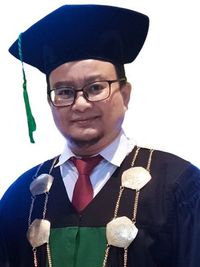
Associate Professor

Professor

Associate Professor

Instructor
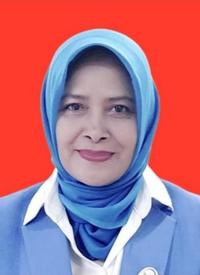
Instructor
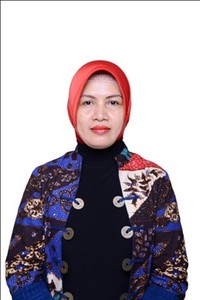
Associate Professor
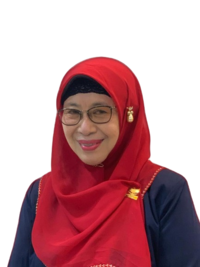
Assistant Professor
Assistant Professor