Obstetrician and Gynecologist (Specialist Physician)
Mengacu pada Peraturan Konsil Kedokteran Indonesia No. 86 Tahun 2020 tentang Standar Pendidikan Profesi Dokter Spesialis Obstetri dan Ginekologi.




Residency Programs · Universitas Prima Indonesia
Shaping Excellent and Competitive Specialists in Obstetrics and Gynecology
Educating competent obstetrician and gynecologist specialists.
The Obstetrics and Gynecology Residency Program at Universitas Prima Indonesia (UNPRI) is designed to train medical doctors into expert clinicians in women's reproductive health. Residents gain hands-on experience in surgical theaters, maternity wards, and outpatient care at UNPRI’s accredited teaching hospitals. With a strong emphasis on evidence-based practice and compassionate care, this program prepares graduates to lead in maternal health both nationally and internationally.
| Code | Course / Stage | Credits |
|---|---|---|
| OBG80213 | Obstetri Patologis | 2 |
| OBG80217 | Keterampilan Bedah Dasar | 2 |
| OBG80315 | Keluarga Berencana | 3 |
| OBG80614 | Fetomaternal I | 6 |
| OBG80316 | Asuhan Persalinan Normal | 3 |
| Total | 16 | |
| Code | Course / Stage | Credits |
|---|---|---|
| OBG80618 | Fetomaternal II | 6 |
| OBG80519 | Keterampilan Bedah Obstetri | 5 |
| OBG80420 | Asuhan Persalinan Abnormal | 4 |
| OBG80221 | Nutrisi dan perdarahan pasca salin | 2 |
| OBG80222 | Rehabilitasi perdarahan pasca salin | 2 |
| Total | 19 | |
Fields of work and professional roles graduates may pursue after completing the program.
Mengacu pada Peraturan Konsil Kedokteran Indonesia No. 86 Tahun 2020 tentang Standar Pendidikan Profesi Dokter Spesialis Obstetri dan Ginekologi.
Characteristics and capabilities expected of graduates of this study program.
Profil Lulusan Universitas (Sikap, Etika & Sociotechnopreneurship). Perkonsil No. 86/2020: Kualitas Profesional – menunjukkan perilaku beretika dan komitmen demi pasien dan profesi.
Profil lulusan UPPS/Fakultas (Pencegahan Pengelolaan Penyakit Degeneratif). Perkonsil No. 86/2020: Kompetensi Klinik – memahami fungsi reproduksi wanita sepanjang hidup dan pendekatan multidimensi dalam pengelolaan pasien.
Gabungan PL3 dan PL4 versi sebelumnya. Lulusan memiliki Kompetensi Klinik (kompetensi medis dan komunikasi efektif) sesuai Perkonsil No. 86/2020 untuk melakukan diagnosis, tatalaksana medis dan operatif, serta penanganan kegawatdaruratan obstetri dan ginekologi secara komprehensif dan berbasis bukti, dengan keunggulan dalam prediksi, pencegahan, dan tatalaksana perdarahan pasca salin sebagai kekhasan program studi (Visi Prodi; Misi Prodi 1 dan 2).
Lulusan yang mampu melakukan penelitian inovatif, edukasi, dan pengabdian kepada masyarakat, serta berkolaborasi dalam mengelola layanan yang berkualitas dan bertata kelola baik (Misi Prodi 2, 3, dan 4). Perkonsil No. 86/2020: Kemampuan Akademik (belajar mandiri, mengajar, penelitian) dan Kualitas Profesional (mengelola dengan efektif, anggota tim, evaluasi praktik, advokasi).
Attitudes, knowledge, and skills students are expected to achieve by graduation.
Able to demonstrate noble character, honesty, integrity, and responsibility, comply with medical ethics and health law, examine ethical and medicolegal dilemmas for patient safety, and initiate adaptive social innovation with a sociotechnopreneurial spirit.
Mendukung PL1; bersumber dari visi dan misi universitas (sikap, etika & sociotechnopreneurship). Perkonsil No. 86/2020: Kualitas Profesional c (perilaku beretika) dan d (komitmen demi pasien dan profesi); Modul Etika dan Hukum dalam Obgin; Modul Pengembangan Profesionalisme. Unsur: Sikap (S). KKO: menelaah (C4), menunjukkan (P3), berakhlak mulia (A5), mematuhi (A1), memprakarsai (A3).
Able to project the health service needs of women with degenerative diseases (including menopause and osteoporosis, pelvic organ prolapse, and urinary and fecal incontinence), design innovative programs and services for their prevention and management based on sociotechnopreneurship principles, manage their implementation in health facilities and the community, and serve patients holistically across the life course.
Mendukung PL2; bersumber dari visi dan misi fakultas (pencegahan dan pengelolaan penyakit degeneratif). Perkonsil No. 86/2020: Kompetensi Klinik a (fungsi reproduksi wanita sepanjang hidup; pendekatan multidimensi); Kualitas Profesional a (mengelola dengan efektif); Modul Uroginekologi. Unsur: Keterampilan Umum (KU). KKO: memproyeksikan (C5), mendesain (P5), mengelola (P5), melayani (A5).
Able to integrate history-taking, physical examination, and diagnostic test findings to diagnose and determine the management of obstetric (antenatal, intrapartum, and postpartum) and gynecologic (general gynecology, gynecologic oncology, reproductive endocrinology and fertility, and urogynecology) cases, check the response to management, manage maternal and early neonatal emergencies independently and comprehensively, and serve patients by habitually applying evidence-based care principles.
Mendukung PL3; bersumber dari visi dan misi program studi (Misi Prodi 1). Perkonsil No. 86/2020: Kompetensi Klinik a (kompetensi medis); Daftar Masalah; Modul Asuhan Antenatal s.d. Uroginekologi. Unsur: Keterampilan Khusus (KK). KKO: mendiagnosis (C4), menentukan (C3), mengecek (C5), mengintegrasikan (P4), mengelola (P5), melayani (A5), membiasakan (A5).
Able to examine indications and risks, perform obstetric and gynecologic operative procedures (including cesarean section, hysterectomy, and basic laparoscopy) with their perioperative care, and control intraoperative complications safely and skillfully with emphasis on patient safety.
Mendukung PL3; bersumber dari visi dan misi program studi (Misi Prodi 1). Perkonsil No. 86/2020: Daftar Keterampilan Klinis; Modul Keterampilan Bedah Inti, Asuhan Perioperatif, dan Prosedur Pembedahan. Unsur: Keterampilan Khusus (KK). KKO: menelaah (C4), melakukan (P2), mengendalikan (P3), menekankan (A3).
Able to identify risk factors and project the occurrence of postpartum hemorrhage, integrate its prevention into antenatal, intrapartum, and postpartum care, and initiate the implementation of prevention protocols in health facilities.
Mendukung PL3; bersumber dari visi program studi (keunggulan perdarahan pasca salin; Misi Prodi 1 dan 2). Perkonsil No. 86/2020: Kompetensi Klinik a; Modul Asuhan Antenatal, Asuhan Persalinan, dan Masalah Nifas dan Neonatus. Unsur: Keterampilan Khusus (KK). KKO: mengidentifikasikan (C2), memproyeksikan (C5), mengintegrasikan (P4), memprakarsai (A3).
Able to diagnose the causes of postpartum hemorrhage, manage it comprehensively and in stages, from resuscitation, uterotonics, balloon tamponade, compression sutures, and vessel ligation to hysterectomy, check the success of each management step, and manage the emergency team with emphasis on maternal safety.
Mendukung PL3; bersumber dari visi program studi (keunggulan perdarahan pasca salin; Misi Prodi 1 dan 2). Perkonsil No. 86/2020: Kompetensi Klinik a; Daftar Keterampilan Klinis; Modul Asuhan Persalinan dan Masalah Nifas. Unsur: Keterampilan Khusus (KK). KKO: mendiagnosis (C4), mengecek (C5), mengatasi (P4), mengelola (P5), menekankan (A3).
Able to formulate problems, design, and manage innovative research in obstetrics and gynecology, particularly innovations in the prevention and management of postpartum hemorrhage, defend research findings in scientific forums and publications, and habitually uphold research integrity and ethics in all scientific activities.
Mendukung PL4; bersumber dari visi dan misi program studi (Misi Prodi 2). Perkonsil No. 86/2020: Kemampuan Akademik – penelitian; Modul Teknologi Informasi, Riset dan Upaya Peningkatan Praktik Klinik. Unsur: Keterampilan Umum (KU). KKO: mempertahankan (C5), merumuskan (P4), mendesain (P5), mengelola (P5), membiasakan (A5).
Able to examine learning needs, develop teaching for learners and health workers, validate its assessment instruments, and develop patient education, health promotion, and community service in obstetrics and gynecology, including strengthening the referral system, while serving the community inclusively.
Mendukung PL4; bersumber dari visi dan misi program studi (Misi Prodi 3). Perkonsil No. 86/2020: Kemampuan Akademik b (mengajar); Kualitas Profesional f (advokasi); Modul Pengajaran, Telaah dan Penilaian. Unsur: Keterampilan Umum (KU). KKO: menelaah (C4), memvalidasi (C5), mengembangkan (P4), melayani (A5).
Able to organize clinical information, demonstrate effective and empathetic communication with patients, families, and colleagues, and negotiate and deliberate clinical decisions in interprofessional collaboration.
Mendukung PL4; bersumber dari visi dan misi program studi (Misi Prodi 4 – kolaborasi). Perkonsil No. 86/2020: Kompetensi Klinik b (berkomunikasi secara efektif); Kualitas Profesional b (anggota tim yang baik). Unsur: Keterampilan Umum (KU). KKO: mengorganisasikan (C4), menunjukkan (P3), menegosiasi (A4), merembuk (A4).
Able to manage obstetrics and gynecology health services based on good governance, check service quality and safety through clinical audit, adapt to advances in science and health information technology, and habituate lifelong learning for continuing professional development.
Mendukung PL4; bersumber dari visi dan misi program studi (Misi Prodi 4 – good governance; adaptif terhadap kemajuan teknologi). Perkonsil No. 86/2020: Kualitas Profesional a (mengelola dengan efektif) dan e (audit dan peningkatan praktik); Kemampuan Akademik a (belajar mandiri, teknologi informasi); Modul Pengembangan Profesionalisme. Unsur: Keterampilan Umum (KU). KKO: mengecek (C5), mengelola (P5), beradaptasi (P4), membiasakan (A5).
Approved and locked RPSMK are grouped by semester. The cohort source follows the newest available RPSMK for each course in that semester.
The Pathological Obstetrics course covers the diagnosis and initial management of pathological pregnancy disorders (antepartum hemorrhage, hypertensive disorders of pregnancy, eclampsia and HELLP syndrome, preterm labor and premature rupture of membranes, post-term pregnancy, fetal growth disorders, and amniotic fluid volume disorders), ruptured ectopic pregnancy, gestational trophoblastic disease, multifetal pregnancy, fetal malposition and malpresentation, labor dystocia, obstetric emergencies (shoulder dystocia, umbilical cord prolapse, postpartum hemorrhage, and obstetric shock), puerperal infection and sepsis, severe anemia and heart disease in obstetrics, intrauterine fetal death and congenital anomalies, as well as evidence-based literature appraisal and clinical competency assessment, preparing obstetrics and gynecology residents to assess risk levels and determine management priorities in pathological obstetric cases accurately and safely for the benefit of maternal and fetal safety.
The Basic Surgical Skills course covers the principles and fundamental skills of obstetric and gynecologic surgery, including patient safety and preoperative assessment, asepsis and antisepsis, surgical instruments, tissue handling and patient positioning, local anesthesia and fundamentals of perioperative anesthesia, surgical anatomy and abdominal wall incision and closure techniques, sutures, needles, suturing and surgical knot-tying techniques, hemostasis and electrosurgery, as well as wound healing, closure, and care; their application in episiotomy and repair of perineal, cervical, and vaginal lacerations, cesarean section and hysterotomy closure, minor gynecologic surgical procedures, abdominal gynecologic surgery, and fundamentals of minimally invasive surgery (laparoscopy and hysteroscopy); and postoperative care, surgical complications, ethics, and medicolegal aspects, preparing obstetrics and gynecology residents to perform surgical procedures accurately, safely, and ethically for the benefit of patient safety, in accordance with the Standards for Professional Education of Obstetrics and Gynecology Specialist Physicians (Indonesian Medical Council Regulation No. 86 of 2020).
The Family Planning course covers comprehensive contraceptive and reproductive health services in obstetric and gynecologic practice, including family planning program policy, reproductive health rights, ethicolegal aspects, contraceptive counseling and shared decision-making, medical eligibility criteria (WHO MEC and US MEC), hormonal contraception (combined, progestin-only, implants, and emergency contraception), fertility awareness and barrier methods, IUDs and management of their complications, and sterilization (minilaparotomy and laparoscopic tubal ligation, opportunistic salpingectomy, and vasectomy); its application to postpartum and postabortion family planning, special medical conditions, adolescents, perimenopause, vulnerable populations, and HIV/STI and drug interactions; management of side effects, abnormal uterine bleeding, contraceptive failure, non-contraceptive benefits, unintended pregnancy, and preconception counseling; as well as quality management of the family planning program and evidence-based literature appraisal (EBM), equipping obstetrics and gynecology specialist residents to provide contraceptive services accurately, safely, ethically, and in a patient-centered manner, in accordance with the Professional Education Standards for Obstetrics and Gynecology Specialist Physicians (Indonesian Medical Council Regulation No. 86 of 2020).
The Maternal-Fetal Medicine I course covers the fundamentals of maternal-fetal medicine in normal pregnancy, including basic concepts and maternal-perinatal epidemiology, embryology and fetal development, placentation and fetal physiology, maternal physiological adaptation, pregnancy diagnosis, gestational age determination, risk-based antenatal care, nutrition, supplementation, pharmacology, immunization, and mental health in pregnancy, basic ultrasonography, obstetric Doppler, congenital anomaly screening, and fetal monitoring, as well as physiological labor, puerperium, lactation, and postpartum contraception; and applies them to basic obstetric examination, basic ultrasonography, CTG/NST interpretation, and labor monitoring with the partograph in the clinic, delivery room, and postpartum ward; and covers ethics, communication, informed consent, and Evidence-Based Medicine, with final evaluation through a written examination (CBT) and the Objective Structured Long Examination Record (OSLER), in accordance with Indonesian Medical Council Regulation Number 86 of 2020 on the Standards of Professional Education for Obstetrics and Gynecology Specialist Physicians.
The Normal Childbirth Care course covers evidence-based normal childbirth care in obstetric practice, including the physiology of labor, evidence-based intrapartum care, prevention of complications, labor assessment and monitoring (partograph/Labour Care Guide and fetal heart rate), management of the first to fourth stages of labor, immediate newborn and maternal care after birth, biomechanics and maternal positioning, non-pharmacological and complementary pain management, intrapartum communication and counseling, management of birth canal lacerations and perineal repair, nutrition and hydration, infection prevention, gentle birth, fulfillment of maternal rights and ethics, stabilization and referral, medical audit, legal documentation, and literature appraisal (EBM), concluding with competency evaluation through the OSLER, so that obstetrics and gynecology residents are able to provide normal childbirth care accurately, safely, ethically, and in a woman-centered manner in accordance with the Professional Education Standards for Obstetrics and Gynecology Specialists (Indonesian Medical Council Regulation No. 86 of 2020).
The Maternal-Fetal Medicine II course covers the comprehensive management of high-risk pregnancy, including the physiological and pharmacological basis of maternal-fetal medicine, advanced obstetric ultrasound and Doppler, antepartum fetal surveillance, placentation disorders and placenta accreta spectrum, hypertensive disorders of pregnancy, medical diseases in pregnancy (diabetes, thyroid, cardiac, renal, autoimmune, hematologic, and thromboembolic disease), maternal infections and triple elimination, fetal growth restriction, alloimmunization, amniotic fluid disorders, genetics and prenatal diagnosis, congenital anomalies, twin pregnancy and fetal therapy, maternal-fetal emergencies, preterm labor, prelabor rupture of membranes, fetal death, termination of high-risk pregnancy, ethics and medicolegal aspects, and literature appraisal (EBM), concluding with competency evaluation through the CBT and OSLER, so that obstetrics and gynecology residents are able to solve maternal-fetal problems accurately, safely, ethically, and based on evidence in accordance with the Professional Education Standards for Obstetrics and Gynecology Specialists (Indonesian Medical Council Regulation No. 86 of 2020).
The Obstetric Surgical Skills course covers the principles and skills of comprehensive obstetric surgery, including surgical anatomy of the pelvis and gravid uterus, physiology of pregnancy and perioperative pharmacology, instruments, asepsis–antisepsis, suture materials and knot-tying techniques; preoperative preparation, informed consent and ethicolegal aspects, obstetric anesthesia, and patient safety (WHO Surgical Safety Checklist); primary, repeat, and special-condition cesarean sections; operative vaginal delivery (vacuum and forceps extraction), vaginal breech delivery, and shoulder dystocia; episiotomy, repair of first- to fourth-degree perineal tears, cervical tears and genital tract hematomas, manual removal of the placenta, uterine evacuation, and cervical cerclage; operative management of massive obstetric hemorrhage (balloon tamponade, uterine compression sutures, arterial ligation, peripartum hysterectomy, and placenta accreta spectrum); obstetric surgical emergencies (uterine rupture and inversion, ruptured ectopic pregnancy, nonobstetric surgery in pregnancy, and perimortem cesarean section); management of adjacent organ injuries, postoperative care (ERAS) and wound complications; as well as evidence-based literature appraisal and quality audit of obstetric surgical services, preparing obstetrics and gynecology residents to perform obstetric surgery independently, appropriately, safely, and ethically in accordance with the Standard of Specialist Medical Education in Obstetrics and Gynecology (Indonesian Medical Council Regulation No. 86 of 2020).
The Abnormal Labor Care course covers the recognition, diagnosis, and management of abnormal labor in obstetric and gynecologic practice, including monitoring of labor progress with the partograph and the WHO Labour Care Guide, abnormalities of the powers (uterine contractions), labor induction and augmentation, abnormalities of the passage (contracted pelvis, cephalopelvic disproportion, and soft tissue dystocia), prolonged and obstructed labor, and trial of labor and VBAC; fetal malposition and malpresentation (occiput posterior, deflexed presentations, compound presentation, breech presentation, and transverse lie), macrosomia and shoulder dystocia, delivery in multiple pregnancy, fetal congenital anomalies and destructive procedures, and intrapartum fetal distress; preterm labor, prelabor rupture of membranes, intraamniotic infection, umbilical cord prolapse, and vasa previa; operative delivery (vacuum extraction, forceps extraction, and cesarean section) and its complications; third- and fourth-stage emergencies (uterine rupture, retained placenta, uterine inversion, postpartum hemorrhage, and third- and fourth-degree genital tract lacerations), amniotic fluid embolism and maternal resuscitation, neonatal asphyxia and birth trauma and neonatal resuscitation; as well as evidence-based literature appraisal (EBM) and maternal-perinatal audit, equipping obstetrics and gynecology specialist residents to manage abnormal labor accurately, safely, ethically, and in a patient-centered manner, in accordance with the Professional Education Standards for Obstetrics and Gynecology Specialist Physicians (Indonesian Medical Council Regulation No. 86 of 2020).
The Nutritional Care and Postpartum Hemorrhage course covers comprehensive nutritional care and management of postpartum hemorrhage in obstetric and gynecologic practice, including the physiology, metabolism, and nutritional requirements of postpartum and lactating women, nutritional status assessment, postpartum anemia and micronutrient deficiencies, and nutrition in special postpartum conditions (post-cesarean delivery with the ERAS protocol, preeclampsia, gestational diabetes mellitus, and obesity); the therapeutic definition, epidemiology, 4T etiology, and risk stratification of postpartum hemorrhage, prevention through active management of the third stage of labor, early detection by quantification of blood loss, and management of uterine atony with the MOTIVE bundle, genital tract trauma, retained placenta, and uterine inversion; obstetric coagulopathy, fluid resuscitation, blood component transfusion and massive transfusion protocols, surgical interventions (balloon tamponade, uterine compression sutures, arterial ligation, and peripartum hysterectomy) and intensive care; nutritional recovery after obstetric hemorrhage, the referral system, maternal and perinatal audit (MPDSR), and evidence-based literature appraisal (EBM), equipping obstetrics and gynecology specialist residents to provide nutritional care and postpartum hemorrhage management accurately, safely, ethically, and with a focus on maternal safety, in accordance with the Professional Education Standards for Obstetrics and Gynecology Specialist Physicians (Indonesian Medical Council Regulation No. 86 of 2020).
The Rehabilitation After Postpartum Hemorrhage course covers comprehensive recovery care for women who have experienced postpartum hemorrhage (PPH), including severe maternal morbidity and the scope of rehabilitation, hemodynamic recovery and post-resuscitation organ dysfunction, post-hemorrhage anemia and patient blood management, Sheehan syndrome, nutritional rehabilitation and early mobilization, and post-intensive follow-up care and venous thromboembolism prevention; recovery after peripartum hysterectomy, after conservative interventions (balloon tamponade, uterine compression sutures, arterial ligation, and embolization), and from birth canal injuries and pelvic floor dysfunction; counseling on fertility, contraception, and subsequent pregnancy planning; lactation support, perinatal mental health, empathetic communication, informed consent, and breaking bad news; as well as maternal perinatal audit, near-miss analysis, and evidence-based literature appraisal (EBM), equipping obstetrics and gynecology specialist residents to provide post-hemorrhage rehabilitation care accurately, safely, ethically, and in a patient-centered manner, in accordance with the Professional Education Standards for Obstetrics and Gynecology Specialist Physicians (Indonesian Medical Council Regulation No. 86 of 2020).

Head of Study Program
Assistant Professor

Associate Professor

Lecturer

Assistant Professor

Instructor
Assistant Professor

Assistant Professor
Associate Professor

Professor

Instructor

Assistant Professor
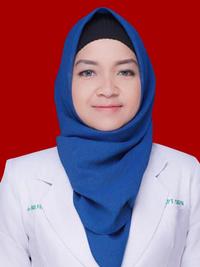
Instructor

Professor

Professor

Professor

Assistant Professor

Assistant Professor
Lecturer

Instructor

Associate Professor
Assistant Professor

Associate Professor
Instructor

Professor

Instructor

Assistant Professor