Vision
Producing Radiology Specialist Graduates who are Professional, have Sociotechnopreneurship Insight and excel in Radiology for Degenerative Metabolic Disorders.


Residency Programs · Universitas Prima Indonesia
Educating Future Leaders in Radiology and Medical Imaging
Specialist program in medical imaging for diagnosis.
The Radiology Specialist Program is an advanced education program for doctors specializing in medical imaging for diagnosis and therapy. This program aims to train radiology specialists proficient in using imaging technologies such as X-ray, CT scan, MRI, and ultrasound. Students receive intensive training in various medical imaging techniques and the interpretation of imaging results to support disease diagnosis. The clinically based curriculum allows students to be directly involved in patient examinations under the supervision of experienced radiologists. In addition to technical skills, this program emphasizes research in radiology, including innovations in imaging technology and the development of more accurate diagnostic methods. Students are encouraged to publish scientific papers and participate in academic seminars to enhance their knowledge. Graduates of this program are expected to work in various healthcare settings, including hospitals, radiology clinics, or as part of medical research contributing to global advancements in radiological science.
Producing Radiology Specialist Graduates who are Professional, have Sociotechnopreneurship Insight and excel in Radiology for Degenerative Metabolic Disorders.
Producing Radiology Specialist graduates who are professional, ethical, have Sociotechnopreneurship insight, excel in Radiology in Degenerative-Metabolic Disorders, and are competent in providing health services based on medical imaging technology according to national and global service needs; Producing superior research in the field of Radiology in Degenerative-Metabolic Disorders that supports the development of Medical Science and Technology, contributes to innovation in imaging technology, and is relevant to solving public health problems in Indonesia; Producing community service based on radiology research on degenerative diseases that provides real benefits in improving access and quality of public health services; Producing sustainable radiology education governance supported by strategic cooperation with major teaching hospitals, affiliates, and national and international institutions to improve the quality of graduates and radiology services.
To produce professional Radiology Specialist graduates, who excel in Radiology in Degenerative-Metabolic Disorders, are ethical, and have Sociotechnopreneurship insights that are relevant to national and global health challenges; To produce superior evidence-based research in the field of Radiology in Degenerative-Metabolic Disorders that supports the development of medical imaging technology and innovation in handling health problems; To produce community service based on radiology research that has a real impact on increasing access and quality of health services at the local and national levels; To create high-quality radiology education governance to support the implementation of the Tridharma of Higher Education optimally with the active involvement of all stakeholders; To establish strategic and mutually beneficial institutional cooperation with national and international institutions to support the development of education, research, and community service in the field of radiology; To create superior and competent human resources in supporting the sustainability of the implementation of radiology education programs in accordance with the need for the latest technology-based health services; Creating superior and high-achieving students, both in academic and non-academic fields, with the ability to apply radiology in an innovative, adaptive, and relevant manner to health challenges at the local, national, and global levels.
| Code | Course / Stage | Credits |
|---|---|---|
| RAD8307 | Radiologi Abdomen dan Gastrointestinal 1 | 3 |
| RAD8308 | Radiologi Muskuloskeletal 1 | 3 |
| RAD8309 | Radiologi thoraks dan kardiovaskuler 1 | 3 |
| RAD8310 | USG (Ultrasonography) | 3 |
| RAD8311 | Neuroradiologi dan Kepala-Leher 1 | 3 |
| RAD8312 | Manajemen Layanan Radiologi Berbasis Teknologi | 3 |
| Total | 18 | |
| Code | Course / Stage | Credits |
|---|---|---|
| RAD8113 | Radiologi Payudara dan Reproduksi Perempuan 1 | 1 |
| RAD8114 | Radiologi Intervensi 1 | 1 |
| RAD8115 | Radiologi Gawat Darurat 2 | 2 |
| RAD8116 | CT-Scan (Computed Tomography Scan) | 3 |
| RAD8117 | MRI (Magnetic Resonance Imaging) | 3 |
| RAD8118 | Radiologi Anak 1 | 3 |
| RAD8119 | Seminar Proposal | 3 |
| Total | 16 | |
| Code | Course / Stage | Credits |
|---|---|---|
| RAD8320 | Radiologi Abdomen dan Gastrointestinal 2 | 3 |
| RAD8321 | Radiologi Muskuloskeletal 2 | 3 |
| RAD8322 | Radiologi thoraks dan kardiovaskuler 2 | 3 |
| RAD8323 | Radiologi Forensik 1 | 3 |
| RAD8324 | Radionuklir dan pencitraan molekuler | 3 |
| Total | 15 | |
| Code | Course / Stage | Credits |
|---|---|---|
| RAD8325 | Radiologi Payudara dan Reproduksi Perempuan 2 | 3 |
| RAD8326 | Radiologi Intervensi 2 | 3 |
| RAD8327 | Neuroradiologi dan Kepala-Leher 2 | 3 |
| RAD8328 | Radiologi Gawat Darurat 3 | 3 |
| RAD8329 | Radiologi Anak 2 | 3 |
| RAD8330 | Publikasi Hasil Penelitian | 3 |
| Total | 18 | |
| Code | Course / Stage | Credits |
|---|---|---|
| RAD8331 | Radiologi Abdomen dan Gastrointestinal 3 | 3 |
| RAD8332 | Radiologi Muskuloskeletal 3 | 3 |
| RAD8333 | Radiologi thoraks dan kardiovaskuler 3 | 3 |
| RAD8334 | Neuroradiologi dan Kepala-Leher 3 | 3 |
| RAD8335 | Kedokteran Fisik dan Rehabilitasi | 3 |
| RAD8336 | Tesis | 6 |
| Total | 21 | |
| Code | Course / Stage | Credits |
|---|---|---|
| RAD8337 | Radiologi Payudara dan Reproduksi Perempuan 3 | 3 |
| RAD8338 | Radiologi Intervensi 3 | 3 |
| RAD8339 | Radiologi Anak 3 | 3 |
| RAD8340 | Radiologi Gawat Darurat 4 | 3 |
| RAD8341 | Pencitraan pada Gangguan Degeneratif - Metabolik | 3 |
| Total | 15 | |
Fields of work and professional roles graduates may pursue after completing the program.
Melaksanakan pelayanan pencitraan medis diagnostik dan intervensi yang profesional, beretika, berwawasan sociotechnopreneurship, serta unggul dalam penanganan penyakit degeneratif-metabolik berbasis teknologi mutakhir.
Characteristics and capabilities expected of graduates of this study program.
Memiliki integritas tinggi, kepemimpinan moral, profesionalisme, serta mengintegrasikan wawasan sociotechnopreneurship dalam pelayanan dan inovasi kedokteran.
Mampu mengelola pelayanan diagnostik dan intervensi pada penyakit degeneratif-metabolik serta tanggap terhadap situasi kegawatdaruratan dan bencana.
Mampu merancang dan melaksanakan penelitian inovatif berbasis bukti pada penyakit degeneratif-metabolik serta melakukan edukasi medis yang berkelanjutan.
Mampu menganalisis, menginterpretasi pencitraan mutakhir (USG, CT-Scan, MRI, Kedokteran Nuklir) dan melakukan prosedur intervensi radiologi secara presisi dan aman.
Attitudes, knowledge, and skills students are expected to achieve by graduation.
Apply medical ethics, health law, and sociotechnopreneurship principles in radiology clinical practice to create positive societal impact.
Keterampilan Umum: Sikap profesionalisme, etika, dan wawasan sociotechnopreneurship UNPRI.
Demonstrate effective, empathetic, and professional communication with patients, families, and healthcare teams.
Keterampilan Umum: Komunikasi klinis dan kolaborasi interprofesional.
Lead teams and respond to emergency and disaster situations promptly, in a coordinated and accountable manner in radiology services.
Keterampilan Umum: Kepemimpinan dan tanggap kegawatdaruratan/bencana (PL 3).
Manage radiology department operations, quality control (QA/QC), and patient safety systems.
Keterampilan Umum: Manajemen pelayanan radiologi dan kendali mutu.
Design and deliver continuous medical education and mentoring for patients, colleagues, and trainees in radiology.
Keterampilan Umum: Edukasi medis dan pembimbingan (PL 3).
Design, conduct, and publish evidence-based research in radiology focused on degenerative-metabolic disorders.
Keterampilan Umum: Riset berbasis bukti di bidang radiologi degeneratif-metabolik.
Engage in lifelong learning and adapt to digital radiology advancements, Artificial Intelligence (AI), and teleradiology.
Keterampilan Umum: Pembelajaran sepanjang hayat & adaptasi teknologi mutakhir.
Analyze radiological physics, radiobiology, and radiation protection principles to ensure patient and occupational safety.
Keterampilan Khusus: Sains dasar radiologi & keselamatan radiasi (ALARA).
Interpret and formulate expertise on Conventional Radiography, Fluoroscopy, and Ultrasonography (Doppler and non-Doppler) across body systems for accurate diagnosis.
Keterampilan Khusus: Ekspertise radiografi konvensional, fluoroskopi, dan USG (gabungan CPL 4 dan 5 draf sebelumnya; nilai tidak lebih rendah dari CPMK3).
Interpret and analyze CT-Scan and MRI studies in complex cases, specifically degenerative-metabolic disorders and emergencies.
Keterampilan Khusus: Diagnostik CT-Scan dan MRI spesifik gangguan degeneratif-metabolik (gabungan CPL 6 dan 7 draf sebelumnya).
Plan and perform basic non-vascular and vascular interventional radiology procedures safely and precisely.
Keterampilan Khusus: Radiologi Intervensi Dasar.
Analyze basic Nuclear Medicine and Molecular Imaging studies (SPECT/PET-CT) for metabolic evaluation.
Keterampilan Khusus: Kedokteran Nuklir & Molecular Imaging.
Approved and locked RPSMK are grouped by semester. The cohort source follows the newest available RPSMK for each course in that semester.
The Abdominal and Gastrointestinal Radiology 1 course covers the radiological anatomy and imaging techniques of the abdomen and gastrointestinal tract, disorders of the esophagus, stomach, and duodenum, small bowel diseases, colon and rectal diseases, the non-traumatic acute abdomen, and disorders of the peritoneum, mesentery, retroperitoneum, and abdominal wall, together with their correlation with pathophysiology, clinical manifestations, and imaging findings, preparing radiology residents to interpret abdominal and gastrointestinal imaging accurately in line with the Standard of Professional Education for Radiology Specialists (Indonesian Medical Council Regulation Number 93 of 2021).
The Musculoskeletal Radiology 1 course covers the radiological anatomy and imaging techniques of the musculoskeletal system, bone and joint trauma, joint diseases (degenerative, inflammatory, crystal-induced, and internal derangement), infectious and metabolic as well as other non-neoplastic bone diseases, bone tumors, and soft tissue tumors and tumor-like lesions, together with their correlation with pathophysiology, clinical manifestations, and imaging findings, preparing radiology residents to interpret musculoskeletal imaging accurately in line with the Standard of Professional Education for Radiology Specialists (Indonesian Medical Council Regulation Number 93 of 2021).
The Thoracic and Cardiovascular Radiology 1 course covers the radiological anatomy and imaging techniques of the thorax and cardiovascular system, diseases of the lung parenchyma and airways, pulmonary nodules and malignancy, diseases of the pleura, mediastinum, and chest wall, heart and great vessel diseases, thoracic and cardiovascular emergencies, and the differentiation of thoracic and cardiovascular abnormalities, together with their correlation with pathophysiology, clinical manifestations, and imaging findings, preparing radiology residents to interpret thoracic and cardiovascular imaging accurately in line with the Standard of Professional Education for Radiology Specialists (Indonesian Medical Council Regulation Number 93 of 2021).
The Ultrasonography (USG) course covers the physics of ultrasound waves, instrumentation, Doppler, artifacts, and examination safety, ultrasound of the upper abdomen, urogenital tract, gastrointestinal tract and acute abdomen, interventional ultrasound, obstetric and gynecologic ultrasound, thyroid and neck, breast, musculoskeletal, vascular, thoracic, pediatric, and emergency ultrasound, as well as elastography and contrast-enhanced ultrasound (CEUS), preparing radiology residents to perform and interpret ultrasound examinations accurately in line with the Standard of Professional Education for Radiology Specialists (Indonesian Medical Council Regulation Number 93 of 2021).
The Neuroradiology and Head and Neck Radiology 1 course covers brain anatomy and imaging techniques, vascular and advanced imaging, contrast media and safety, neurovascular diseases, head trauma, infections, demyelinating and inflammatory diseases, brain tumors, head and neck imaging (neck spaces, sinonasal region, orbit, temporal bone, skull base, and malignancies), as well as cerebrospinal fluid disorders, neurodegenerative diseases, congenital malformations, epilepsy, and metabolic encephalopathies, preparing radiology residents to interpret neuroradiology and head and neck imaging accurately in line with the Standard of Professional Education for Radiology Specialists (Indonesian Medical Council Regulation Number 93 of 2021).
The Technology-Based Radiology Service Management course covers service management concepts and digital transformation, radiology information systems (RIS, HIS, and PACS), interoperability, teleradiology, artificial intelligence and advanced imaging technology, quality management, patient and radiation safety, workflow optimization, structured reporting, technology planning and procurement, financing, human resources, regulation, information security, risk management, ethics, leadership, data analytics, innovation, and service strategy formulation, preparing radiology residents to manage technology-based radiology services in a high-quality and safe manner in line with the Standard of Professional Education for Radiology Specialists (Indonesian Medical Council Regulation Number 93 of 2021).
The Breast and Female Reproductive Radiology 1 course covers the radiological anatomy and imaging techniques of the breast (mammography, tomosynthesis, ultrasonography, and MRI), mammography interpretation and BI-RADS assessment, benign and malignant breast lesions together with screening and interventional procedures, the radiological anatomy and imaging techniques of the female reproductive system, uterine disorders, ovarian and adnexal disorders, and gynecologic malignancies and their staging, together with their correlation with pathophysiology, clinical manifestations, and imaging findings, preparing radiology residents to interpret breast and female reproductive imaging accurately in line with the Standard of Professional Education for Radiology Specialists (Indonesian Medical Council Regulation Number 93 of 2021).
The Interventional Radiology 1 course covers the basic principles, equipment, and image guidance of interventional radiology, patient safety and radiation protection, non-vascular interventions (percutaneous biopsy, drainage, and biliary, urinary, and gastrointestinal interventions), vascular access and diagnostic angiography, endovascular therapy of peripheral vascular disease, embolization, and central venous access and complications of vascular procedures, together with their correlation with pathophysiology, clinical manifestations, and imaging findings, preparing radiology residents to examine the indications, techniques, and complications of basic interventional radiology procedures precisely and safely in line with the Standard of Professional Education for Radiology Specialists (Indonesian Medical Council Regulation Number 93 of 2021).
The Emergency Radiology 2 course covers the imaging of neurological emergencies (head, facial, neck, and spinal trauma, acute ischemic stroke, and other non-traumatic neurological emergencies), thoracic and cardiovascular emergencies (thoracic trauma, pulmonary and pleural emergencies, acute aortic syndromes, pulmonary embolism, and cardiac emergencies), abdominal and pelvic emergencies (abdominal and pelvic trauma and gastrointestinal, hepatobiliary, pancreatic, urogenital, and gynecologic emergencies), as well as musculoskeletal, pediatric, and emergency radiology management (musculoskeletal trauma and infection, pediatric emergencies, polytrauma imaging, contrast reactions, and critical findings communication), together with their correlation with pathophysiology, clinical manifestations, and imaging findings, preparing radiology residents to interpret emergency imaging accurately and promptly in line with the Standard of Professional Education for Radiology Specialists (Indonesian Medical Council Regulation Number 93 of 2021).
The CT Scan (Computed Tomography Scan) course covers the basic principles and instrumentation of CT, image reconstruction and image quality, acquisition parameters and CT protocols, radiation dose and radiation protection in CT, the use of contrast media, head, neck, and chest CT protocols, abdominal and pelvic CT, CT angiography, cardiac CT, musculoskeletal and spine CT, interventional CT, dual-energy CT and advanced CT technology, pediatric CT and special conditions, and quality assurance, reporting, and patient safety in CT, together with their correlation with physical principles, pathophysiology, and imaging findings, preparing radiology residents to plan protocols, optimize dose, and interpret CT accurately and safely in line with the Standard of Professional Education for Radiology Specialists (Indonesian Medical Council Regulation Number 93 of 2021).
The Magnetic Resonance Imaging (MRI) course covers the physical principles and instrumentation of MRI, pulse sequences and advanced techniques, artifacts, MRI safety and gadolinium-based contrast media, central nervous system MRI (brain and spine) and head and neck MRI, musculoskeletal MRI, abdominal and pelvic MRI (hepatobiliary, pancreas, kidney, adrenal gland, gastrointestinal tract, prostate, and female reproductive system), breast and cardiac MRI, MR angiography, pediatric and fetal MRI, and whole-body MRI with structured reporting and quality control, together with their correlation with pathophysiology, clinical manifestations, and imaging findings, preparing radiology residents to perform and interpret MRI examinations accurately in line with the Standard of Professional Education for Radiology Specialists (Indonesian Medical Council Regulation Number 93 of 2021).
The Pediatric Radiology 1 course covers the principles of pediatric imaging and radiation protection, normal radiological anatomy and developmental variants in children, neonatal and pediatric chest radiology, congenital heart disease, pediatric gastrointestinal, hepatobiliary, and pancreatic disorders, pediatric uroradiology, pediatric genital and pelvic disorders and abdominal tumors, trauma and child abuse, pediatric musculoskeletal disorders, neonatal cranial ultrasonography and pediatric head and neck, together with their correlation with pathophysiology, clinical manifestations, and imaging findings, preparing radiology residents to perform and interpret pediatric imaging accurately and safely in line with the Standard of Professional Education for Radiology Specialists (Indonesian Medical Council Regulation Number 93 of 2021).
The Proposal Seminar course covers the fundamentals and ethics of health research, problem formulation and literature review, theoretical and conceptual frameworks, observational, diagnostic, and experimental research designs, population, sampling, and sample size, instruments and imaging data management, statistical analysis, proposal writing and reporting guidelines, critical appraisal of the literature, scientific integrity, and presentation techniques, revision, and the proposal seminar examination, preparing radiology residents to develop, present, and defend radiology research proposals accurately in line with the Standard of Professional Education for Radiology Specialists (Indonesian Medical Council Regulation Number 93 of 2021).
The Abdominal and Gastrointestinal Radiology 2 course covers imaging of the liver (anatomy, diffuse disease, focal lesions, vascular disorders, and transplantation), the biliary system, pancreas, and spleen, disorders of the small bowel and colon, the peritoneum, mesentery, retroperitoneum, and diaphragm, acute abdomen and abdominal trauma, abdominal interventional procedures, postoperative imaging, and abdominal oncology (staging and treatment response), together with their correlation with pathophysiology, clinical manifestations, and imaging findings, preparing radiology residents to interpret abdominal and gastrointestinal imaging accurately in line with the Standard of Professional Education for Radiology Specialists (Indonesian Medical Council Regulation Number 93 of 2021).
The Musculoskeletal Radiology 2 course covers the imaging of bone and soft tissue tumors together with image-guided biopsy and treatment response evaluation, the imaging of infections, arthritis, metabolic bone diseases, the diabetic foot, and bone marrow disorders, the MRI of spinal and major joint disorders together with sports injuries, as well as pediatric musculoskeletal disorders, postoperative imaging, and interventional procedures, together with their correlation with pathophysiology, clinical manifestations, and imaging findings, preparing radiology residents to interpret musculoskeletal imaging accurately in line with the Standard of Professional Education for Radiology Specialists (Indonesian Medical Council Regulation Number 93 of 2021).
The Thoracic and Cardiovascular Radiology 2 course covers HRCT and interstitial lung diseases, airway diseases, congenital lung abnormalities, and advanced pulmonary infections, pulmonary nodules, lung carcinoma, and staging, pleural, mediastinal, diaphragmatic disorders, and thoracic trauma, cardiac imaging (coronary artery disease, cardiomyopathies, valvular disease, and pericardial disease), as well as aortic diseases, pulmonary thromboembolism, congenital heart disease, and post-interventional imaging, together with their correlation with pathophysiology, clinical manifestations, and imaging findings, preparing radiology residents to interpret thoracic and cardiovascular imaging accurately in line with the Standard of Professional Education for Radiology Specialists (Indonesian Medical Council Regulation Number 93 of 2021).
The Forensic Radiology 1 course covers the concepts, scope, medicolegal aspects, and ethics of forensic radiology, postmortem imaging techniques (radiography, fluoroscopy, ultrasonography, postmortem CT, postmortem MRI, and postmortem CT angiography), age estimation, sex determination, and forensic identification, trauma of the head, face, neck, thorax, abdomen, pelvis, musculoskeletal system, vasculature, and spine, gunshot wounds, blast injuries, and foreign bodies, body packing, thermal injuries, drowning, environmental injuries, and gas embolism, non-traumatic sudden death, child abuse and domestic violence, and forensic radiology reporting and expert testimony, together with their correlation with pathophysiology, injury mechanisms, and imaging findings, preparing radiology residents to interpret forensic imaging accurately and defensibly in legal proceedings in line with the Standard of Professional Education for Radiology Specialists (Indonesian Medical Council Regulation Number 93 of 2021).
The Radionuclide and Molecular Imaging course covers the fundamentals of nuclear physics, radiopharmaceuticals, gamma camera, SPECT, and PET instrumentation, image quality control, radiation protection and patient dosimetry, the principles of molecular imaging, bone, endocrine, renal, hepatobiliary, and gastrointestinal scintigraphy, cardiac, pulmonary, brain, lymphatic, and infection and inflammation imaging, FDG and non-FDG oncologic PET/CT, radionuclide therapy and theranostics, and hybrid imaging and structured reporting, together with their correlation with pathophysiology, clinical manifestations, and imaging findings, preparing radiology residents to interpret radionuclide and molecular imaging accurately in line with the Standard of Professional Education for Radiology Specialists (Indonesian Medical Council Regulation Number 93 of 2021).
The Breast and Female Reproductive Radiology 2 course covers advanced breast imaging techniques (tomosynthesis and contrast-enhanced mammography), difficult cases, screening of dense and high-risk breasts, special breast conditions, breast cancer imaging for staging and treatment response, breast interventional procedures, radiology-pathology correlation and quality audit, benign gynecologic disorders (Müllerian anomalies, infertility, endometriosis, adenomyosis, and ovarian and adnexal disorders), obstetric imaging and obstetric-gynecologic emergencies, gynecologic malignancies and their staging, gynecologic interventional radiology, and pelvic floor imaging, together with their correlation with pathophysiology, clinical manifestations, and imaging findings, preparing radiology residents to interpret breast and female reproductive imaging accurately in line with the Standard of Professional Education for Radiology Specialists (Indonesian Medical Council Regulation Number 93 of 2021).
The Interventional Radiology 2 course covers vascular access and endovascular devices, interventions for peripheral arterial, aortic, renal artery, and visceral artery disease, embolization (gastrointestinal hemorrhage and trauma, bronchial, obstetric and gynecologic, prostate, varicocele, and vascular malformations), interventional oncology (TACE, TARE, and percutaneous ablation), biliary and portal hypertension interventions, venous interventions (deep vein thrombosis, inferior vena cava filters, chronic venous disease, venous and dialysis access), neurointervention, non-vascular, musculoskeletal, and pain management interventions, pediatric and special-population interventions, as well as complication management, quality, and patient safety, preparing radiology residents to examine indications, plan, and perform interventional radiology procedures safely in line with the Standard of Professional Education for Radiology Specialists (Indonesian Medical Council Regulation Number 93 of 2021).
The Neuroradiology and Head and Neck 2 course covers advanced neuroradiology imaging techniques, brain tumors and treatment response, infection, demyelination, neurodegeneration, epilepsy, and metabolic-toxic disorders, the orbit, ear and temporal bone, sinonasal region and skull base, nasopharynx, oral cavity, oropharynx, larynx, hypopharynx, salivary glands, deep neck space infections, cervical lymph nodes and staging of head and neck carcinoma, congenital neck masses and post-treatment imaging, degenerative disease, tumors, infection, and trauma of the spine, head trauma, pediatric and neonatal neuroradiology, cerebrovascular disease, cranial nerves and headache, emergency neuroradiology, structured reporting, as well as quality and safety, preparing radiology residents to perform and interpret neuroradiology and head and neck examinations accurately in line with the Standard of Professional Education for Radiology Specialists (Indonesian Medical Council Regulation Number 93 of 2021).
The Emergency Radiology 3 course covers imaging of polytrauma and of thoracic, abdominal, pelvic, head, spinal, and musculoskeletal trauma, non-traumatic musculoskeletal and spinal emergencies, pediatric emergencies, acute gynecologic, obstetric, and urological emergencies, imaging in pregnancy, vascular and neurovascular emergencies, imaging of critically ill patients, poisoning and environmental injury, contrast reactions and patient safety, as well as the management of emergency radiology services in mass casualty incidents, teleradiology, and critical findings communication, preparing radiology residents to examine, diagnose, and organize the imaging of emergency patients accurately, promptly, and safely in line with the Standard of Professional Education for Radiology Specialists (Indonesian Medical Council Regulation Number 93 of 2021).
The Pediatric Radiology 2 course covers neonatal brain imaging, malformations, tumors, infections, and vascular disorders of the pediatric central nervous system, pediatric head-neck and musculoskeletal disorders, congenital urinary tract, genital, and gynecologic disorders, pediatric abdominal and retroperitoneal tumors, congenital heart disease, pediatric thoracic, pulmonary, hepatobiliary, and pancreatic disorders, pediatric oncology, congenital gastrointestinal disorders, neonates, genetic syndromes, and metabolic diseases, advanced imaging techniques, pediatric interventional radiology and nuclear medicine, imaging of children with chronic disease, transplantation, and hematologic-systemic disorders, as well as radiation safety, ethics, and diagnostic integration, preparing radiology residents to examine, diagnose, and organize pediatric imaging accurately and safely in line with the Standard of Professional Education for Radiology Specialists (Indonesian Medical Council Regulation Number 93 of 2021).
The Publication of Research Results course covers the principles of scientific publication, research integrity and ethics, reporting guidelines (STARD, STROBE, CONSORT, PRISMA, CARE, and CLAIM), IMRaD manuscript preparation (research question, title, abstract, introduction, methods, results, and discussion), statistical analysis and diagnostic accuracy, critical appraisal of the literature and systematic reviews, case reports, pictorial essays, and scientific presentations, journal selection, manuscript submission, peer review and revision, the production process, impact metrics, intellectual property, and the dissemination of research results, preparing radiology residents to examine, prepare, and publish radiology research ethically and with high quality in line with the Standard of Professional Education for Radiology Specialists (Indonesian Medical Council Regulation Number 93 of 2021).
The Abdominal and Gastrointestinal Radiology 3 course covers advanced imaging of liver disorders, portal hypertension, hepatic vascular disorders, and liver transplantation and surgery, biliary and pancreatic disorders, tumors of the esophagus, stomach, small bowel, colorectum, and anorectum with their staging, inflammatory bowel disease, appendicitis, diverticulitis, obstruction, ischemia, and gastrointestinal infection, disorders of the peritoneum, mesentery, retroperitoneum, spleen, adrenal glands, and abdominal wall, abdominal trauma and acute abdomen, abdominal interventional radiology, advanced imaging techniques, as well as postoperative imaging, patient safety, structured reporting, and diagnostic integration, preparing radiology residents to examine, diagnose, and organize abdominal and gastrointestinal imaging accurately and safely in line with the Standard of Professional Education for Radiology Specialists (Indonesian Medical Council Regulation Number 93 of 2021).
The Musculoskeletal Radiology 3 course covers advanced imaging of bone and soft tissue tumors, bone metastases, inflammatory, degenerative, and crystal arthritis, metabolic bone disease, infection, and vascular and hematologic bone disorders, degenerative disorders and trauma of the spine, pelvic and complex extremity trauma, postoperative and implant imaging, joint and sports injuries of the shoulder, elbow, wrist, hip, knee, ankle, and foot, disorders of muscle, tendon, peripheral nerve, vascular, and congenital origin, musculoskeletal interventional radiology, advanced imaging techniques, as well as patient safety, structured reporting, and diagnostic integration, preparing radiology residents to examine, diagnose, and organize musculoskeletal imaging accurately and safely in line with the Standard of Professional Education for Radiology Specialists (Indonesian Medical Council Regulation Number 93 of 2021).
The Thoracic and Cardiovascular Radiology 3 course covers advanced imaging of pulmonary nodules, lung carcinoma and its staging, mediastinal tumors, pleural, chest wall, and diaphragmatic disorders, interstitial lung disease, airway disease and cystic lung disease, advanced pulmonary infections, coronary artery disease, cardiomyopathies, congenital heart disease, valvular disease, cardiac masses and the pericardium, acute aortic syndromes, chronic aortic disease, pulmonary thromboembolism, pulmonary hypertension, peripheral arterial and venous disease, thoracic trauma, pulmonary and airway emergencies, intensive care imaging and medical devices, postoperative and post-treatment thoracic imaging, thoracic and cardiovascular interventional radiology, advanced imaging techniques, as well as patient safety, structured reporting, and diagnostic integration, preparing radiology residents to examine, diagnose, and organize thoracic and cardiovascular imaging accurately and safely in line with the Standard of Professional Education for Radiology Specialists (Indonesian Medical Council Regulation Number 93 of 2021).
The Neuroradiology and Head and Neck Radiology 3 course covers advanced imaging of brain tumors, extra-axial and sellar region tumors, and spinal and spinal cord tumors, stroke and cerebrovascular disease, demyelinating and autoimmune disease, head and neck tumors and disorders (oral cavity, pharynx, larynx, sinonasal tract, skull base, salivary glands, thyroid, neck, ear, and orbit), central nervous system infection, head trauma, neurodegenerative disease, epilepsy, and developmental brain disorders, spinal and spinal cord disorders, pediatric neuroradiology, metabolic and toxic central nervous system disease, neurointervention, advanced imaging techniques, as well as patient safety, structured reporting, and diagnostic integration, preparing radiology residents to examine, diagnose, and organize neuroradiology and head and neck imaging accurately and safely in line with the Standard of Professional Education for Radiology Specialists (Indonesian Medical Council Regulation Number 93 of 2021).
The Physical Medicine and Rehabilitation course covers the basic concepts of physical medicine and rehabilitation, the International Classification of Functioning (ICF), functional assessment, physical modalities, orthoses and prostheses, neurological rehabilitation (stroke, spinal cord injury, traumatic brain injury, cerebral palsy, spasticity, and neurogenic dysfunction), musculoskeletal and sports rehabilitation, musculoskeletal pain and image-guided interventions, cardiorespiratory, oncological, pediatric, and geriatric rehabilitation, electrodiagnosis, imaging in rehabilitation practice (musculoskeletal ultrasound, videofluoroscopy, bone densitometry, and MRI and CT), as well as patient safety, evidence-based practice, telerehabilitation, ethics, and diagnostic-rehabilitative integration, preparing radiology residents to examine, diagnose, and organize imaging in rehabilitation patients accurately and safely in line with the Standard of Professional Education for Radiology Specialists (Indonesian Medical Council Regulation Number 93 of 2021).
The Thesis course covers the complete preparation and conduct of an independent research project by radiology residents, from identifying clinical problems, searching and critically appraising the literature, formulating research questions and conceptual frameworks, designing the study, sample, imaging protocol, and reference standard, preparing the thesis proposal and obtaining ethical approval, collecting and managing imaging data, image interpretation, quality control and patient data protection, statistical analysis (descriptive, diagnostic accuracy, interobserver reliability, regression, survival, and prediction model validation), presenting results, discussion, and conclusions, writing the thesis report, results seminar and thesis examination, through to converting the thesis into a scientific article, authorship ethics, and dissemination of results, preparing radiology specialist program participants to conduct radiology research ethically, scientifically, and with high quality in line with the Standard of Professional Education for Radiology Specialists (Indonesian Medical Council Regulation Number 93 of 2021).
The Breast and Female Reproductive Radiology 3 course covers advanced imaging of breast screening and diagnostics, breast carcinoma, advanced breast ultrasound and MRI, breast interventions, posttreatment and implant imaging, neoadjuvant response assessment, special breast conditions, and mammography quality assurance, disorders of the uterus, cervix, and ovary, endometriosis, pelvic infection, and infertility, first trimester obstetrics, fetal evaluation, the placenta, obstetric complications, and radiology in pregnancy, pelvic floor, vaginal and vulvar, congenital, pediatric and adolescent disorders, abnormal uterine bleeding and postmenopausal conditions, gynecologic and obstetric interventional radiology, advanced imaging techniques, as well as patient safety, structured reporting, and diagnostic integration, preparing radiology residents to examine, diagnose, and organize breast and female reproductive imaging accurately and safely in line with the Standard of Professional Education for Radiology Specialists (Indonesian Medical Council Regulation Number 93 of 2021).
The Interventional Radiology 3 course covers interventional oncology (transarterial chemoembolization, radioembolization, and percutaneous ablation), arterial vascular interventions (peripheral arterial disease, aortic aneurysm, visceral vascular disorders, and elective embolization), venous interventions, dialysis access, and nonvascular interventions (biliary, gastrointestinal, drainage, and urologic), neurointervention (acute ischemic stroke, intracranial aneurysm, cerebral vascular malformations, and head and neck), emergency, obstetric-gynecologic, and urologic interventions, as well as patient safety, coagulation management, radiation and contrast protection, management of complications, and ethics, preparing radiology specialist program participants to examine, diagnose, and organize interventional radiology procedures appropriately and safely in line with the Standard of Professional Education for Radiology Specialists (Indonesian Medical Council Regulation Number 93 of 2021).
The Pediatric Radiology 3 course covers pediatric neuroradiology and head and neck disorders, pediatric cardiothoracic imaging, pediatric oncology, musculoskeletal disorders, trauma, and child abuse, gastrointestinal, hepatobiliary, urogenital, and abdominal emergency imaging, pediatric interventional radiology, advanced imaging techniques, as well as radiation protection, patient safety, structured reporting, and diagnostic integration, preparing radiology residents to examine, diagnose, and organize pediatric imaging accurately and safely in line with the Standard of Professional Education for Radiology Specialists (Indonesian Medical Council Regulation Number 93 of 2021).
The Emergency Radiology 4 course covers advanced imaging of neuroradiologic and head and neck emergencies, thoracic and cardiovascular, abdominal, urogenital, and gynecologic-obstetric emergencies, polytrauma and musculoskeletal emergencies, peripheral vascular emergencies, pediatric and pregnancy-related emergencies, point-of-care ultrasound, emergency interventional radiology, oncologic, toxicologic, environmental, and iatrogenic emergencies, as well as modality selection, patient safety, critical findings reporting, ethics, and disaster preparedness, preparing radiology residents to examine, diagnose, and organize emergency imaging quickly, accurately, and safely in line with the Standard of Professional Education for Radiology Specialists (Indonesian Medical Council Regulation Number 93 of 2021).
The Imaging of Degenerative and Metabolic Disorders course covers degenerative disorders of the spine and peripheral joints, metabolic bone and joint disorders including osteoporosis, bone mineral disorders, crystal arthropathies, and osteonecrosis, neurodegenerative and metabolic brain disorders, as well as metabolic steatotic liver disease, atherosclerosis, and sarcopenia, preparing radiology residents to examine, diagnose, and organize imaging of degenerative and metabolic disorders accurately and safely in line with the Standard of Professional Education for Radiology Specialists (Indonesian Medical Council Regulation Number 93 of 2021).

Head of Study Program

Lecturer

Assistant Professor

Assistant Professor

Lecturer
Professor

Instructor

Instructor

Lecturer

Associate Professor

Professor

Lecturer
Lecturer

Lecturer

Lecturer
Instructor

Professor

Assistant Professor

Lecturer

Associate Professor

Lecturer

Instructor

Associate Professor

Professor
Instructor
Instructor

Instructor
Instructor
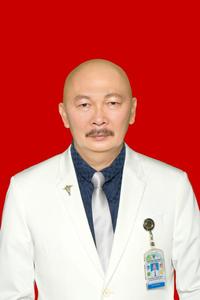
Instructor
Instructor
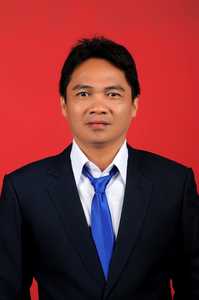
Instructor
Professor