Program Matrikulasi UNPRI
Mendukung persiapan dan penguatan kemampuan mahasiswa dalam menghadapi tahapan pembelajaran profesi.


Profession · Universitas Prima Indonesia
Where Knowledge Becomes Professional Practice
Clinical Training to Become a Doctor.
Where Knowledge Becomes Professional Practice
The Medical Professional Program (Profesi Dokter) is a clinical training program designed to prepare students to become competent doctors. This program aims to equip students with the skills to diagnose, treat, and prevent diseases through a combination of systematic theoretical learning and practical training. After completing their undergraduate medical education, students enter this phase to deepen their clinical knowledge and gain hands-on experience.During the program, students participate in clinical rotations across various medical fields, including internal medicine, surgery, pediatrics, obstetrics and gynecology, and emergency medicine. They work in real hospital and healthcare settings, directly involved in patient diagnosis and treatment. This practical training helps them apply theoretical knowledge to real-world situations while developing clinical reasoning and decision-making skills.In addition to clinical skills, students also learn essential soft skills such as medical ethics, patient communication, and teamwork. These skills are crucial for becoming an effective doctor, as they help build strong patient-doctor relationships and ensure the delivery of high-quality healthcare services.The ultimate goal of the Medical Professional Program is to produce doctors with comprehensive clinical competence, capable of independently addressing a wide range of medical issues. Graduates will possess solid medical knowledge, extensive practical experience, and a strong sense of professional ethics, enabling them to provide safe and effective healthcare to patients.In summary, the Medical Professional Program is a critical phase of medical education, bridging the gap between theoretical learning and clinical practice. Through this program, students grow into skilled and responsible doctors, ready to contribute to the healthcare system and society at large.
Knowledge. Clinical Skills. Professionalism. Compassion.
Program Studi Profesi Dokter merupakan tahap pendidikan yang mengintegrasikan penguasaan ilmu kedokteran dengan penerapannya dalam pelayanan klinis. Tahap ini ditempuh setelah mahasiswa menyelesaikan pendidikan Sarjana Kedokteran (S.Ked.).
Dokter muda menjalani berbagai rotasi klinik atau kepaniteraan klinik untuk mengembangkan keterampilan anamnesis, pemeriksaan fisik, penalaran dan pengambilan keputusan klinis, komunikasi profesional, serta penerapan etika dan keselamatan pasien.
Setelah menyelesaikan seluruh persyaratan akademik dan kompetensi yang berlaku, mahasiswa dapat menyelesaikan pendidikan profesi untuk memperoleh gelar dokter (dr.). Kewenangan menjalankan praktik kedokteran selanjutnya mengikuti ketentuan registrasi, kompetensi, dan perizinan.
Producing professional general practitioners with a sociotechnopreneurship perspective and excellence in the prevention of degenerative diseases.
Produce competent general practitioners who are able to deliver high-quality medical services, particularly in the prevention of degenerative diseases, grounded in the principles of sociotechnopreneurship. Encourage scientific and technological innovation that supports the prevention of degenerative diseases, based on sociotechnopreneurship principles, and contributes to the advancement of medical science and technology. Implement impactful community service programs by adopting a sociotechnopreneurship approach to improve public health. Provide comprehensive academic and non-academic services through strategic partnerships and collaborations with national and international institutions.
Produce general practitioners who are capable of delivering high-quality and ethical medical services. Produce general practitioners who demonstrate excellence in the prevention of degenerative diseases, with a strong orientation toward sociotechnopreneurship. Generate innovative research-based solutions for the prevention of degenerative diseases, and effectively disseminate these innovations for the benefit of society. Apply medical science and technology rooted in the principles of sociotechnopreneurship to improve public health and overall quality of life. Establish high-quality and sustainable collaborations with national and international institutions in supporting education, research, and community service. Develop highly qualified human resources who actively contribute to advancing education, research, and community service. Foster student growth in both academic and non-academic excellence through comprehensive student development programs.
| Code | Course / Stage | Credits |
|---|---|---|
| PDK702029 | Ilmu Penyakit Kulit & Kelamin | 2 |
| PDK702028 | Ilmu Kesehatan Jiwa | 2 |
| RAD | Radiologi | 2 |
| IPD | Ilmu Penyakit Dalam | 6 |
| PDK706027 | Ilmu Kesehatan Anak | 6 |
| PDK702026 | Ilmu Penyakit Saraf | 2 |
| Total | 20 | |
| Code | Course / Stage | Credits |
|---|---|---|
| PDK708035 | Ilmu Penyakit Bedah | 6 |
| PDK706032 | Ilmu Obstetri dan Ginekologi | 6 |
| PDK702011 | Ilmu Anastesi dan Terapi Intensif | 2 |
| PDK702030 | Ilmu Penyakit Mata | 2 |
| PDK702031 | Ilmu Penyakit THT | 2 |
| PDK702013 | Ilmu Kesehatan Masyarakat | 2 |
| Total | 20 | |
| Code | Course / Stage | Credits |
|---|---|---|
| PDK702033 | Ilmu Kedokteran Kehakiman | 2 |
| Total | 2 | |
| Code | Course / Stage | Credits |
|---|---|---|
| PDK701022 | Ujian Kompetensi Mahasiswa Program Profesi Dokter | 1 |
| Total | 1 | |
Fields of work and professional roles graduates may pursue after completing the program.
Profesional kesehatan yang memberikan pelayanan kesehatan umum secara holistik komprehensif, meliputi promotif, preventif, diagnostik, terapeutik, dan rehabilitatif berdasarkan evidence-based, standar profesi, etika, yang memprioritaskan keselamatan pasien.
Characteristics and capabilities expected of graduates of this study program.
Menggambarkan lulusan yang mampu menjalankan tugas dan profesinya berdasarkan nilai etika dan moral, menunjukkan sikap profesional dan integritas, serta bertanggung jawab terhadap setiap tindakan dan keputusan. Lulusan juga mampu beradaptasi terhadap perubahan, menghasilkan gagasan atau solusi inovatif terhadap permasalahan sosial, serta memiliki jiwa kewirausahaan dalam mengembangkan peluang dan menciptakan nilai bagi masyarakat
Menggambarkan lulusan yang memiliki dasar pengetahuan kesehatan yang luas, menyeluruh, dan saling terintegrasi serta mampu menggunakan bukti ilmiah dalam memahami dan menyelesaikan permasalahan kesehatan. Lulusan mampu merespons kebutuhan dan tantangan kesehatan masyarakat, berkontribusi dalam pengembangan ilmu pengetahuan, serta bekerja sama dengan berbagai profesi kesehatan dengan memanfaatkan perkembangan teknologi dan digitalisasi
Memiliki lulusan yang berkompeten dapat mengintegrasikan ilmu kedokteran dasar dan keterampilan klinis untuk mengatasi penyakit diabetes/degeneratif dengan menjunjung tinggi etika, profesionalisme, dan patient safety procedure.
Lulusan dapat mengintegrasikan menerapkan pengetahuan kedokteran dasar klinis dan keterampilan klinis yang berorientasi terhadap pasien safety terutama di bidang kegawatdaruratan, anastesiologi dan terapi intensif
Attitudes, knowledge, and skills students are expected to achieve by graduation.
Demonstrate devotion to God Almighty and uphold religious, nationalistic, tolerant, ethical, responsible, and moral values while respecting human dignity
Menggambarkan kemampuan lulusan dalam menunjukkan sikap religius dan menjunjung nilai ketuhanan, kemanusiaan, etika, moral, nasionalisme, toleransi, serta tanggung jawab dalam menjalankan kehidupan akademik dan profesional. Lulusan mampu menghargai martabat, hak, dan keberagaman setiap individu serta menjadikan nilai-nilai tersebut sebagai dasar dalam memberikan pelayanan kesehatan dan berinteraksi dengan masyarakat
Internalize independence, resilience, collaboration, adaptability, and innovation, and apply entrepreneurial principles through the utilization of technology that creates a positive impact on society
Menggambarkan kemampuan lulusan untuk bekerja secara mandiri, memiliki ketangguhan dalam menghadapi tantangan, mampu berkolaborasi, beradaptasi terhadap perubahan, serta menghasilkan gagasan inovatif. Lulusan mampu memanfaatkan teknologi dan menerapkan prinsip kewirausahaan untuk menghasilkan solusi yang kreatif, produktif, dan memberikan dampak positif bagi masyarakat
Analyzing fundamental medical concepts—integrating biomedical, clinical, and behavioral sciences—to apply these principles in medical practice, with a focus on excellence in the management of degenerative diseases.
Menggambarkan kemampuan lulusan memahami dan menganalisis konsep dasar kedokteran terintegrasi dengan ilmu biomedik, klinis, dan perilaku. Kemampuan tersebut menjadi landasan dalam memahami mekanisme penyakit, kondisi kesehatan, serta penerapan prinsip kedokteran dalam berbagai konteks teoritis dan klinis
Analyzing the fundamental concepts of degenerative diseases—including etiology, pathogenesis, clinical manifestations, diagnosis, and management—to determine appropriate management strategies.
Menggambarkan kemampuan analisis terstruktur, memahami cara memecahkan masalah (A4/analyze )dan membuat keputusan klinis yang tepat (P3/Precisi), namun berempati (A3/Value) dan berorientasi terhadap keselamatan pasien.
Communicate health information and issues related to the management of degenerative diseases. Collaborate effectively within a team to solve basic health problems.
Menggambarkan kemampuan mengintegrasikan dan berkolaborasi dengan tim (A4/ Organize) dengan menerapkan prinsip komunikasi dan konsep kesehatan (C3/ Apply) melalui interaksi aktif dan komunikasi lisan/ tertulis dalam komunikasi dan dinamika kesehatan (P2/ Manipulation)
Critically analyzing and synthesizing medical/health information from various sources and effectively utilizing it to make sound clinical decisions, including within the context of degenerative diseases and the application of a socio-entrepreneurship approach.
Menggambarkan kemampuan menganalisis dan menilai data / bukti medis ilmiah (C5/evaluate) serta terintegrasi nilai sosial, empati dan pendekatan sosioentrepreneurship dengan keselamatan pasien sebagai prioritas sehingga dapat diambil keputusan yang tepat dan akurat (P3/ presisi) sesuai standar operasional medis dan etika yang berlaku
Essential clinical skills (medical history taking, physical examination, data interpretation, diagnosis, patient management) and basic medical procedures in clinical practice, with expertise in the fields of anesthesiology, medical emergencies, and intensive care.
Menggambarkan koordinasi motorik (P4/articulation) dan terintegrasi untuk melakukan prosedur medis terintegrasi dengan menganalisis (C4/analyze) temuan klinis untuk mendiagnosis dan menterapi penyakit di bidang kegawatdaruratan, anastesiologi dan terapi intensif yang berdasarkan etika dan keselamatan pasien (A3/ value)
Applying principles and methods for improving patient safety and quality in medical practice and the Three Pillars of Higher Education, with a focus on the prevention and management of emergency complications in the fields of anesthesiology and intensive care.
Menggambarkan pemanfaatan konsep dan metode keselamatan pasien serta Tri Dharma Perguruan Tinggi (C3/Apply) untuk pencegahan dan penanganan penyakit degeneratif yang bergantung pada komitmen kemanusiaan (A3/Valuing), dan pelaksanaan mitigasi risiko komplikasi (P2/ Manipulation) sesuai SOP
Capable of implementing basic life support procedures integrated with evidence-based clinical medical knowledge, ethics, and professionalism, with patient safety as the top priority.
Menggambarkan kemampuan menganalisis dan mengeksekusi tindakan klinis Bantuan Hidup Dasar (RJP, manajemen airway, AED/Automated External Defibrillator) secara cepat tepat dan akurat P4(Articulatio) berdasarkan pertimbangan evidence-based K4(Analyze), etika, profesionalisme dan keselamatan pasien A3(Respect)
Integrated management of mask ventilation, grounded in evidence-based clinical medical knowledge, ethics, and professionalism, with patient safety as the top priority.
Menggambarkan keterampilan motorik halus dan kasar dalam memposisikan kepala (head-tilt/chin lift atau jaw-thrust), memposisikan dengan presisi masker P4 (Articulatio), serta mengatur tidal volume paru yang terintegrasi dengan ilmu kedokteran dasar klinis (anatomi/airway resp system, dan fisiologi pasca ventilasi) C4 (Analyze) yang memperhitungkan prinsip maleficence dan aspirasi. A3(Respect)
Integrated management of infiltration anesthesia, grounded in evidence-based clinical medical knowledge, ethics, and professionalism, with patient safety as the top priority.
Menggambarkan ketrampilan prosedur klinik (penanganan spuit, teknik manipulasi jaringan, kontrol presisi deposisi anastesi) P4(Articulatio), pemahaman farmakologi anastesi lokal, analisis K4 (Analyze) anatomi persarafan serta evaluasi komplikasi anastesi yang memprioritaskan patient safety protocol, profesionalisme A3 (Respect)
Integrated management of external cardiac massage, incorporating evidence-based clinical medical knowledge, ethics, and professionalism, with patient safety as the top priority.
Menggambarkan keterampilan motorik kasar dan daya tahan fisik (endurance) P4(Articulatio) untuk melakukan high-quality CPR secara presisi & konstan yang terintegrasi dengan algoritma RJP, analisa indikasi-kontraindikasi RJP serta mengevaluasi respons sirkulasi C4(Analyze) yang memprioritaskan keselamatan pasien & penolong yang beretika A3 (Respect)
Fluid resuscitation management is integrated with foundational clinical medical knowledge grounded in evidence-based practice, ethics, and professionalism, with patient safety as the top priority.
Kemampuan menganalisis C4 (Analyze) (patofisiologi syok, mengalkulasi kebutuhan cairan dan mengevaluasi efektivitas dan komplikasi terapi cairan) dan keterampilan klinis P3(Precisi) (memasang iv-cannulation, merakit sistem infus, mengontrol laju cairan) dengan prinsip kehati-hatian dan profesionalisme serta patient safety protocol A3(Respect)
Administration of IV, IM, and SC injections integrated with foundational clinical medical knowledge—grounded in evidence-based practice, ethics, and professionalism—with patient safety as the top priority.
Ketrampilan motorik halus P4(Articulatio) (persiapan obat, manipulasi spuit secara akurat sesuai sudut penyuntikan dan kontrol penyuntikan tanpa merusak jaringan) serta kemampuan analisis C4 (Analyze) (sifat fisikokimia obat, lokasi injeksi berdasarkan anatomi, evaluasi reaksi alergi/toksik obat, serta tetap memprioritaskan keselamatan pasien dan penolong A3 (Respect) sesuai protokol keselamatan.
The management of local nerve blocks integrates basic clinical medical knowledge and is grounded in evidence-based practice, ethics, and professionalism, with patient safety as the top priority.
Keterampilan motorik kompleks P4/ Articulation (koordinasi visual, motorik yang presisi) terintegrasi dengan pengetahuan kedokteran klinis (evaluasi risiko-manfaat berbasis evidence-based, farmakokinetika obat) C5/Evaluate untuk menatalaksanakan tindakan sesuai kondisi pasien yang berlandaskan pedoman prilaku etik profesional dan patient safety protocol A5/ Characterisation
The administration of topical anesthetic drops or sprays is integrated with fundamental clinical medical knowledge and grounded in evidence-based practice, ethics, and professionalism, with patient safety as the top priority.
Koordinasi tangan dan kontrol taktil serta pemilihan jenis anestesi topikal P3/Precision yang tepat dan aman dengan memperhitungkan luas permukaan mukosa, absorpsi sistemik, batas dosis maksimal/toksik serta mendeteksi dini komplikasi dengan memperhatikan etika profesionalisme dan keselamatan pasien dengan memberikan informasi medis. A5/Precisi
The management of pain assessment and analgesic administration integrates basic clinical medical knowledge and is grounded in evidence-based practice, ethics, and professionalism, with patient safety as the top priority.
Kemampuan menganalisis etiologi C5/Evaluate (akut/kronis/neuropati/nociceptif), skala nyeri (NRS/VAS/FLACC), kalkulasi tangga analgesik WHO dan keterampilan psikomotor kompleks P3(Presisi) (aplikasi skala penilaian nyeri, prosedur pemberian obat injeksi iv/im/sc, pengaturan Patient-controlled Analgesia dan Blok analgesia sederhana), serta kewaspadaan risiko adiktif dan penyalahgunaan opioid serta pemantauan efek samping obat A5/characterisation
Venipuncture management integrates basic clinical medical knowledge and is grounded in evidence-based practice, ethics, and professionalism, with patient safety as the top priority.
Keterampilan psikomotor invasif melalui sinkronisasi gerakan manipulatif (identifikasi, fiksasi, kontrol sudut dan kedalaman dan manipulasi jarum/spuit) yang didasari analisa/evaluasi klinis (membedakan arteri/vena/nerve, evaluasi keadaan khusus collapse,edema/obese, pemilihan tools yang tepat) berbasis evidence-based dan pasien safety protocol procedure ( informed consent, sterilitas, needle phobia, penanganan segera komplikasi) A5/ Characterisation
The management, determination of indications, and selection of transfusion types are integrated with fundamental clinical medical knowledge and grounded in evidence-based practice, ethics, and professionalism, with patient safety as the top priority.
Penalaran kognitif kompleks (Evaluasi kapan dan komponen darah sepesifk yang dibutuhkan) C5/Evaluate dan ketrampilan psikomotor (pemasangan transfusi set, regulasi tetesan, penanganan aseptik, serta penanganan reaksi komplikasi/alergi bila terjadi) P3/Precision, serta screening yang ketat untuk keselamatan pasien karena transfusi memerlukan crosschecking untuk menghindari incompatibility missmatch maupun penyakit menular lainnya. A5/ Characterisation
The management of needle decompression integrates basic clinical medical knowledge and is grounded in evidence-based practice, ethics, and professionalism, with patient safety as the top priority.
Needle decompression merupakan life-saving emergency procedure namun resiko tinggi P4/Articulation, sehingga diperlukan pengetahuan cognitif mengenali gejala klinis dan penentuan anatomi posisi dekompresi yang disesuaikan dengan keadaan pasien C5/Evaluate, berlandaskan patient safety protocol A5/Characterisation
Oxygen therapy management integrates basic clinical medical knowledge and is grounded in evidence-based practice, ethics, and professionalism, with patient safety as the top priority.
Manajemen oksigen mengevaluasi indikasi yang tepat ( jenis gagal napas, target SpO2 dan analisis gas darah) C5/ Evaluate, yang memerlukan keterampilan teknis pemasangan alat, humidifikasi dan pengaturan laju aliran oksigen P3/Precision sehingga diperlukan follow up ketat dan kepatuhan prosedur keselamatan dan kenyamanan pasien
Approved and locked RPSMK are grouped by semester. The cohort source follows the newest available RPSMK for each course in that semester.
The field of study covers infectious diseases of the skin and genitals caused by infections (including bacterial, viral, and fungal infections), parasitic infections, allergic diseases, autoimmune diseases, and genetically inherited congenital disorders, as well as neoplasms that can occur from infancy through old age.
The Mental Health branch of study at the professional level will cover topics related to mental health. The subjects studied include mental disorders caused by infections (including bacterial, viral, and fungal infections), parasitic infections, allergic diseases, autoimmune diseases, and genetically inherited congenital disorders, as well as neoplasms that can occur from infancy through old age.
The clinical clerkship in the Radiology Department is designed to equip medical students with the knowledge, skills, and professional attitudes necessary for the proper use and interpretation of radiological examinations to support patient diagnosis and treatment.
Internal Medicine is a branch of medicine that addresses health issues in adults, covering non-surgical diseases and encompassing nearly the entire human body. Departments of Internal Medicine generally have subdepartments that focus on more specific areas of internal medicine.
The curriculum in the Department of Pediatric Health Sciences (IKA) at the professional level covers pediatric health sciences, which encompass knowledge related to infants and children. Pediatric health sciences are distinct from adult medicine. Clear physical differences and developmental maturity establish pediatric health as a distinct field of study. The smaller bodies of infants have physiological characteristics that differ from those of adults. Other medical fields are also affected, such as congenital defects, oncology, and immunology. Treating pediatric patients cannot be equated with treating miniature versions of adult patients. Childhood is a period of significant growth, development, and maturation across various organs. Additionally, students are expected to possess a gentle and compassionate demeanor so they can effectively engage with patients."
In the field of neurology, students will study all aspects related to disorders of the nervous system, including the central nervous system (cerebrum, cerebellum, and brainstem), the peripheral nervous system, and the autonomic nervous system.
Surgery is a branch of medicine that restores normal anatomical function through invasive medical procedures (surgery). Managing conditions for which surgery is indicated requires the surgeon to plan adequately to ensure they are prepared (in terms of knowledge, surgical techniques, surgical equipment, the surgical team, and anaesthetists). The Department of Surgery at UNPRI/Royal Prima Hospital provides teaching materials that include bedside teaching, journal reading, clinical tutorials, case reports, and skills laboratory sessions.
Obstetrics is the field of medicine that studies the processes of pregnancy, childbirth, and the postpartum period. Pregnancy begins with conception and ends with childbirth. Childbirth is the process of delivering the baby from the mother’s body. The postpartum period, on the other hand, is the time after childbirth during which the body returns to its pre-pregnancy state. Gynecology is the medical discipline that studies the health of the female reproductive organs. Other medical fields are also involved, such as congenital defects, oncology, gynecological disorders, infections, family planning, and infertility.
A branch of medicine that studies and applies the principles of anesthesiology, perioperative care, pain management, resuscitation, and the comprehensive care of critically ill patients. It does so through monitoring and support of vital functions and organs to maintain patient safety and survival. At UNPRI/RS Royal Prima’s Department of Anesthesiology, learning materials include bedside teaching, journal reading, clinical tutorials, case reports, and skill labs that are integrated to improve knowledge, psychomotor skills, professionalism, and performance aligned with SKDI competence level 4A–B, including the ability to independently perform basic life support, bag-mask ventilation, fluid resuscitation, oxygen therapy, and pain management. Competency/performance measurement is conducted through attendance, daily formative evaluations (e.g., pretest, tutorial, case report, journal reading), and a summative exit department assessment using OSCE and posttest.
The Department of Ophthalmology, at the professional level, covers topics related to eye health. During the clinical practice phase, medical students have the opportunity to develop their skills in applying the competencies they have acquired during their academic studies. Students are given more opportunities to directly address various issues in the fields of ophthalmology and head and neck surgery, and are expected to be able to conduct a medical history interview, perform a physical examination and basic diagnostics, and plan patient management.
The curriculum in the Department of ENT-KL at the professional level covers topics related to ear, nose, and throat health. During the clinical practice phase, medical students have the opportunity to develop their skills and apply the competencies they have acquired during their coursework. Students are given more opportunities to directly address various issues in the fields of ear, nose, and throat medicine as well as head and neck surgery, and are expected to be able to conduct a medical history interview, perform a physical examination and basic diagnostics, and plan patient management.
The field of community medicine addresses topics related to disease prevention, prolonging life, and improving physical and mental health and well-being through organized community efforts to improve environmental sanitation, control infections in the community, educate individuals about personal hygiene, the organization of medical and care services, for early detection, disease prevention, and the development of social aspects, which will support every member of the community in achieving a high standard of living to maintain their health.
The field of community medicine addresses topics related to disease prevention, prolonging life, and improving physical and mental health and well-being through organized community efforts to improve environmental sanitation, control infections in the community, educate individuals about personal hygiene, the organization of medical and care services, for early detection, disease prevention, and the development of social aspects, which will support every member of the community in achieving a high standard of living to maintain their health.
Internal Medicine is a branch of medicine that addresses health issues in adults, covering non-surgical diseases and encompassing nearly the entire human body. Departments of Internal Medicine generally have subdepartments that focus on more specific areas of internal medicine.
A branch of medicine that studies and applies the principles of anesthesiology, perioperative care, pain management, resuscitation, and the comprehensive care of critically ill patients. It does so through monitoring and support of vital functions and organs to maintain patient safety and survival. At UNPRI/RS Royal Prima’s Department of Anesthesiology, learning materials include bedside teaching, journal reading, clinical tutorials, case reports, and skill labs that are integrated to improve knowledge, psychomotor skills, professionalism, and performance aligned with SKDI competence level 4A–B, including the ability to independently perform basic life support, bag-mask ventilation, fluid resuscitation, oxygen therapy, and pain management. Competency/performance measurement is conducted through attendance, daily formative evaluations (e.g., pretest, tutorial, case report, journal reading), and a summative exit department assessment using OSCE and posttest.
In the field of neurology, students will study all aspects related to disorders of the nervous system, including the central nervous system (cerebrum, cerebellum, and brainstem), the peripheral nervous system, and the autonomic nervous system.
The Mental Health branch of study at the professional level will cover topics related to mental health. The subjects studied include mental disorders caused by infections (including bacterial, viral, and fungal infections), parasitic infections, allergic diseases, autoimmune diseases, and genetically inherited congenital disorders, as well as neoplasms that can occur from infancy through old age.
The field of study covers infectious diseases of the skin and genitals caused by infections (including bacterial, viral, and fungal infections), parasitic infections, allergic diseases, autoimmune diseases, and genetically inherited congenital disorders, as well as neoplasms that can occur from infancy through old age.
The curriculum in the Department of Pediatric Health Sciences (IKA) at the professional level covers pediatric health sciences, which encompass knowledge related to infants and children. Pediatric health sciences are distinct from adult medicine. Clear physical differences and developmental maturity establish pediatric health as a distinct field of study. The smaller bodies of infants have physiological characteristics that differ from those of adults. Other medical fields are also affected, such as congenital defects, oncology, and immunology. Treating pediatric patients cannot be equated with treating miniature versions of adult patients. Childhood is a period of significant growth, development, and maturation across various organs. Additionally, students are expected to possess a gentle and compassionate demeanor so they can effectively engage with patients."
The clinical clerkship in the Radiology Department is designed to equip medical students with the knowledge, skills, and professional attitudes necessary for the proper use and interpretation of radiological examinations to support patient diagnosis and treatment.
Surgery is a branch of medicine that restores normal anatomical function through invasive medical procedures (surgery). Managing conditions for which surgery is indicated requires the surgeon to plan adequately to ensure they are prepared (in terms of knowledge, surgical techniques, surgical equipment, the surgical team, and anaesthetists). The Department of Surgery at UNPRI/Royal Prima Hospital provides teaching materials that include bedside teaching, journal reading, clinical tutorials, case reports, and skills laboratory sessions.
The curriculum in the Department of ENT-KL at the professional level covers topics related to ear, nose, and throat health. During the clinical practice phase, medical students have the opportunity to develop their skills and apply the competencies they have acquired during their coursework. Students are given more opportunities to directly address various issues in the fields of ear, nose, and throat medicine as well as head and neck surgery, and are expected to be able to conduct a medical history interview, perform a physical examination and basic diagnostics, and plan patient management.
The field of community medicine addresses topics related to disease prevention, prolonging life, and improving physical and mental health and well-being through organized community efforts to improve environmental sanitation, control infections in the community, educate individuals about personal hygiene, the organization of medical and care services, for early detection, disease prevention, and the development of social aspects, which will support every member of the community in achieving a high standard of living to maintain their health.
The Department of Ophthalmology, at the professional level, covers topics related to eye health. During the clinical practice phase, medical students have the opportunity to develop their skills in applying the competencies they have acquired during their academic studies. Students are given more opportunities to directly address various issues in the fields of ophthalmology and head and neck surgery, and are expected to be able to conduct a medical history interview, perform a physical examination and basic diagnostics, and plan patient management.
The field of community medicine addresses topics related to disease prevention, prolonging life, and improving physical and mental health and well-being through organized community efforts to improve environmental sanitation, control infections in the community, educate individuals about personal hygiene, the organization of medical and care services, for early detection, disease prevention, and the development of social aspects, which will support every member of the community in achieving a high standard of living to maintain their health.
Obstetrics is the field of medicine that studies the processes of pregnancy, childbirth, and the postpartum period. Pregnancy begins with conception and ends with childbirth. Childbirth is the process of delivering the baby from the mother’s body. The postpartum period, on the other hand, is the time after childbirth during which the body returns to its pre-pregnancy state. Gynecology is the medical discipline that studies the health of the female reproductive organs. Other medical fields are also involved, such as congenital defects, oncology, gynecological disorders, infections, family planning, and infertility.
The Medical Student Competency Test (UKMPDPD) is a compulsory national examination which every Indonesian medical student must sit and pass before being awarded the title of doctor and obtaining a Certificate of Registration (STR). Main Objectives and Functions • Quality Assurance: To ensure that every newly qualified doctor meets a uniform minimum standard of competence that is standardised at the national level. • Public Protection: To safeguard the safety of the public and users of healthcare services
A branch of medicine that studies and applies the principles of anesthesiology, perioperative care, pain management, resuscitation, and the comprehensive care of critically ill patients. It does so through monitoring and support of vital functions and organs to maintain patient safety and survival. At UNPRI/RS Royal Prima’s Department of Anesthesiology, learning materials include bedside teaching, journal reading, clinical tutorials, case reports, and skill labs that are integrated to improve knowledge, psychomotor skills, professionalism, and performance aligned with SKDI competence level 4A–B, including the ability to independently perform basic life support, bag-mask ventilation, fluid resuscitation, oxygen therapy, and pain management. Competency/performance measurement is conducted through attendance, daily formative evaluations (e.g., pretest, tutorial, case report, journal reading), and a summative exit department assessment using OSCE and posttest.
The clinical clerkship in the Radiology Department is designed to equip medical students with the knowledge, skills, and professional attitudes necessary for the proper use and interpretation of radiological examinations to support patient diagnosis and treatment.
The curriculum in the Department of Pediatric Health Sciences (IKA) at the professional level covers pediatric health sciences, which encompass knowledge related to infants and children. Pediatric health sciences are distinct from adult medicine. Clear physical differences and developmental maturity establish pediatric health as a distinct field of study. The smaller bodies of infants have physiological characteristics that differ from those of adults. Other medical fields are also affected, such as congenital defects, oncology, and immunology. Treating pediatric patients cannot be equated with treating miniature versions of adult patients. Childhood is a period of significant growth, development, and maturation across various organs. Additionally, students are expected to possess a gentle and compassionate demeanor so they can effectively engage with patients."
The field of study covers infectious diseases of the skin and genitals caused by infections (including bacterial, viral, and fungal infections), parasitic infections, allergic diseases, autoimmune diseases, and genetically inherited congenital disorders, as well as neoplasms that can occur from infancy through old age.
The Mental Health branch of study at the professional level will cover topics related to mental health. The subjects studied include mental disorders caused by infections (including bacterial, viral, and fungal infections), parasitic infections, allergic diseases, autoimmune diseases, and genetically inherited congenital disorders, as well as neoplasms that can occur from infancy through old age.
Internal Medicine is a branch of medicine that addresses health issues in adults, covering non-surgical diseases and encompassing nearly the entire human body. Departments of Internal Medicine generally have subdepartments that focus on more specific areas of internal medicine.
In the field of neurology, students will study all aspects related to disorders of the nervous system, including the central nervous system (cerebrum, cerebellum, and brainstem), the peripheral nervous system, and the autonomic nervous system.
Surgery is a branch of medicine that restores normal anatomical function through invasive medical procedures (surgery). Managing conditions for which surgery is indicated requires the surgeon to plan adequately to ensure they are prepared (in terms of knowledge, surgical techniques, surgical equipment, the surgical team, and anaesthetists). The Department of Surgery at UNPRI/Royal Prima Hospital provides teaching materials that include bedside teaching, journal reading, clinical tutorials, case reports, and skills laboratory sessions.
The curriculum in the Department of ENT-KL at the professional level covers topics related to ear, nose, and throat health. During the clinical practice phase, medical students have the opportunity to develop their skills and apply the competencies they have acquired during their coursework. Students are given more opportunities to directly address various issues in the fields of ear, nose, and throat medicine as well as head and neck surgery, and are expected to be able to conduct a medical history interview, perform a physical examination and basic diagnostics, and plan patient management.
The field of community medicine addresses topics related to disease prevention, prolonging life, and improving physical and mental health and well-being through organized community efforts to improve environmental sanitation, control infections in the community, educate individuals about personal hygiene, the organization of medical and care services, for early detection, disease prevention, and the development of social aspects, which will support every member of the community in achieving a high standard of living to maintain their health.
The Department of Ophthalmology, at the professional level, covers topics related to eye health. During the clinical practice phase, medical students have the opportunity to develop their skills in applying the competencies they have acquired during their academic studies. Students are given more opportunities to directly address various issues in the fields of ophthalmology and head and neck surgery, and are expected to be able to conduct a medical history interview, perform a physical examination and basic diagnostics, and plan patient management.
The field of community medicine addresses topics related to disease prevention, prolonging life, and improving physical and mental health and well-being through organized community efforts to improve environmental sanitation, control infections in the community, educate individuals about personal hygiene, the organization of medical and care services, for early detection, disease prevention, and the development of social aspects, which will support every member of the community in achieving a high standard of living to maintain their health.
Obstetrics is the field of medicine that studies the processes of pregnancy, childbirth, and the postpartum period. Pregnancy begins with conception and ends with childbirth. Childbirth is the process of delivering the baby from the mother’s body. The postpartum period, on the other hand, is the time after childbirth during which the body returns to its pre-pregnancy state. Gynecology is the medical discipline that studies the health of the female reproductive organs. Other medical fields are also involved, such as congenital defects, oncology, gynecological disorders, infections, family planning, and infertility.
The Medical Student Competency Test (UKMPDPD) is a compulsory national examination which every Indonesian medical student must sit and pass before being awarded the title of doctor and obtaining a Certificate of Registration (STR). Main Objectives and Functions • Quality Assurance: To ensure that every newly qualified doctor meets a uniform minimum standard of competence that is standardised at the national level. • Public Protection: To safeguard the safety of the public and users of healthcare services
The clinical clerkship in the Radiology Department is designed to equip medical students with the knowledge, skills, and professional attitudes necessary for the proper use and interpretation of radiological examinations to support patient diagnosis and treatment.
A branch of medicine that studies and applies the principles of anesthesiology, perioperative care, pain management, resuscitation, and the comprehensive care of critically ill patients. It does so through monitoring and support of vital functions and organs to maintain patient safety and survival. At UNPRI/RS Royal Prima’s Department of Anesthesiology, learning materials include bedside teaching, journal reading, clinical tutorials, case reports, and skill labs that are integrated to improve knowledge, psychomotor skills, professionalism, and performance aligned with SKDI competence level 4A–B, including the ability to independently perform basic life support, bag-mask ventilation, fluid resuscitation, oxygen therapy, and pain management. Competency/performance measurement is conducted through attendance, daily formative evaluations (e.g., pretest, tutorial, case report, journal reading), and a summative exit department assessment using OSCE and posttest.
The curriculum in the Department of Pediatric Health Sciences (IKA) at the professional level covers pediatric health sciences, which encompass knowledge related to infants and children. Pediatric health sciences are distinct from adult medicine. Clear physical differences and developmental maturity establish pediatric health as a distinct field of study. The smaller bodies of infants have physiological characteristics that differ from those of adults. Other medical fields are also affected, such as congenital defects, oncology, and immunology. Treating pediatric patients cannot be equated with treating miniature versions of adult patients. Childhood is a period of significant growth, development, and maturation across various organs. Additionally, students are expected to possess a gentle and compassionate demeanor so they can effectively engage with patients."
The field of study covers infectious diseases of the skin and genitals caused by infections (including bacterial, viral, and fungal infections), parasitic infections, allergic diseases, autoimmune diseases, and genetically inherited congenital disorders, as well as neoplasms that can occur from infancy through old age.
The Mental Health branch of study at the professional level will cover topics related to mental health. The subjects studied include mental disorders caused by infections (including bacterial, viral, and fungal infections), parasitic infections, allergic diseases, autoimmune diseases, and genetically inherited congenital disorders, as well as neoplasms that can occur from infancy through old age.
Internal Medicine is a branch of medicine that addresses health issues in adults, covering non-surgical diseases and encompassing nearly the entire human body. Departments of Internal Medicine generally have subdepartments that focus on more specific areas of internal medicine.
In the field of neurology, students will study all aspects related to disorders of the nervous system, including the central nervous system (cerebrum, cerebellum, and brainstem), the peripheral nervous system, and the autonomic nervous system.
Surgery is a branch of medicine that restores normal anatomical function through invasive medical procedures (surgery). Managing conditions for which surgery is indicated requires the surgeon to plan adequately to ensure they are prepared (in terms of knowledge, surgical techniques, surgical equipment, the surgical team, and anaesthetists). The Department of Surgery at UNPRI/Royal Prima Hospital provides teaching materials that include bedside teaching, journal reading, clinical tutorials, case reports, and skills laboratory sessions.
The curriculum in the Department of ENT-KL at the professional level covers topics related to ear, nose, and throat health. During the clinical practice phase, medical students have the opportunity to develop their skills and apply the competencies they have acquired during their coursework. Students are given more opportunities to directly address various issues in the fields of ear, nose, and throat medicine as well as head and neck surgery, and are expected to be able to conduct a medical history interview, perform a physical examination and basic diagnostics, and plan patient management.
The field of community medicine addresses topics related to disease prevention, prolonging life, and improving physical and mental health and well-being through organized community efforts to improve environmental sanitation, control infections in the community, educate individuals about personal hygiene, the organization of medical and care services, for early detection, disease prevention, and the development of social aspects, which will support every member of the community in achieving a high standard of living to maintain their health.
The Department of Ophthalmology, at the professional level, covers topics related to eye health. During the clinical practice phase, medical students have the opportunity to develop their skills in applying the competencies they have acquired during their academic studies. Students are given more opportunities to directly address various issues in the fields of ophthalmology and head and neck surgery, and are expected to be able to conduct a medical history interview, perform a physical examination and basic diagnostics, and plan patient management.
The field of community medicine addresses topics related to disease prevention, prolonging life, and improving physical and mental health and well-being through organized community efforts to improve environmental sanitation, control infections in the community, educate individuals about personal hygiene, the organization of medical and care services, for early detection, disease prevention, and the development of social aspects, which will support every member of the community in achieving a high standard of living to maintain their health.
Obstetrics is the field of medicine that studies the processes of pregnancy, childbirth, and the postpartum period. Pregnancy begins with conception and ends with childbirth. Childbirth is the process of delivering the baby from the mother’s body. The postpartum period, on the other hand, is the time after childbirth during which the body returns to its pre-pregnancy state. Gynecology is the medical discipline that studies the health of the female reproductive organs. Other medical fields are also involved, such as congenital defects, oncology, gynecological disorders, infections, family planning, and infertility.
The Medical Student Competency Test (UKMPDPD) is a compulsory national examination which every Indonesian medical student must sit and pass before being awarded the title of doctor and obtaining a Certificate of Registration (STR). Main Objectives and Functions • Quality Assurance: To ensure that every newly qualified doctor meets a uniform minimum standard of competence that is standardised at the national level. • Public Protection: To safeguard the safety of the public and users of healthcare services
From Knowledge to Professional Practice
From Knowledge to Practice
Perjalanan pendidikan profesi dimulai setelah mahasiswa menyelesaikan jenjang Sarjana Kedokteran dan memperoleh gelar S.Ked.
Pengetahuan yang diperoleh pada tahap sarjana selanjutnya diterapkan dalam lingkungan klinis untuk membangun kemampuan berpikir, bertindak, dan bertanggung jawab sebagai calon dokter.
Building Clinical Foundations
Dokter muda menjalani rotasi klinik pada berbagai bagian untuk membangun kemampuan dasar dalam anamnesis, pemeriksaan fisik, penalaran klinis, dan penatalaksanaan pasien di bawah supervisi dokter pembimbing.
Pembelajaran dilaksanakan melalui wahana pendidikan klinis, termasuk rumah sakit pendidikan dalam jejaring Universitas Prima Indonesia.
Advancing Skills, Integrating Care
Pada tahap ini, dokter muda memperdalam kompetensi klinis melalui rotasi lanjutan di bidang utama kedokteran.
Pembelajaran semakin menekankan pengambilan keputusan klinis yang bertanggung jawab, pengelolaan kasus, komunikasi, profesionalisme, dan kolaborasi dalam tim pelayanan kesehatan.
Learning at the Bedside
Pembelajaran profesi dilaksanakan melalui Bedside Teaching, Mini-CEX, OSLER, Skills Lab, Community-based Learning, Morning Report, dan Review Article.
Metode tersebut memberikan kesempatan kepada dokter muda untuk belajar dari kasus klinis nyata, menerima umpan balik pembimbing, dan mengembangkan keterampilan secara berkelanjutan.
Demonstrating Professional Competence
Pada tahap akhir pendidikan, mahasiswa mengikuti proses penilaian kompetensi yang berlaku, termasuk Uji Kompetensi Mahasiswa Program Profesi Dokter (UKMPPD) sesuai ketentuan penyelenggara.
Penilaian kompetensi diarahkan untuk memastikan kesiapan lulusan dalam aspek pengetahuan, keterampilan klinis, dan profesionalisme.
A Commitment to Serve
Setelah memenuhi seluruh persyaratan kelulusan pendidikan profesi, lulusan mengikuti proses pelantikan dan sumpah dokter.
Tahap ini menandai pencapaian pendidikan profesi sekaligus komitmen untuk menjunjung etika, keselamatan pasien, dan pengabdian kepada masyarakat.
One Profession, Many Possibilities
Dunia kedokteran menawarkan berbagai jalur profesional yang berkembang sesuai kompetensi, pendidikan lanjutan, pengalaman, dan minat lulusan. Peluang tersebut mencakup pelayanan klinis, pendidikan, penelitian, teknologi kesehatan, manajemen, dan kewirausahaan.
Start with Care, Grow with Experience. Lulusan yang telah memenuhi persyaratan pendidikan, kompetensi, registrasi, dan perizinan dapat memberikan pelayanan kesehatan di fasilitas pelayanan kesehatan sesuai kewenangannya.
Find Your Expertise. Take It Further. Lulusan dapat melanjutkan pendidikan pada bidang spesialisasi kedokteran sesuai persyaratan seleksi dan ketentuan program pendidikan.
Discover Today. Transform Tomorrow. Pengembangan karier dapat dilakukan melalui penelitian biomedis, klinis, dan kesehatan masyarakat sebagai peneliti atau anggota tim penelitian.
Teach. Inspire. Shape the Next Generation. Bidang pendidikan kedokteran memberikan kesempatan untuk terlibat dalam pengajaran, pembimbingan, pengembangan kurikulum, dan penelitian sesuai kualifikasi akademik.
Lead the System Behind the Care. Kompetensi klinis dapat dikembangkan untuk mendukung pengelolaan rumah sakit, klinik, mutu pelayanan, administrasi, dan kebijakan kesehatan.
Where Clinical Insight Meets Innovation. Peluang meliputi pengembangan produk, konsultasi klinis, regulasi, mutu, dan inovasi perangkat kesehatan.
The Future of Care Is Digital. Bidang AI kesehatan, telehealth, rekam medis elektronik, dan analitik data membuka peluang kolaborasi antara dokter dan pengembang teknologi.
Share Knowledge, Empower Communities. Lulusan dapat berkontribusi melalui pendidikan kesehatan, promosi kesehatan, dan pendampingan masyarakat sesuai kompetensinya.
Build Something That Matters. Semangat sociotechnopreneurship mendukung pengembangan inovasi dan usaha layanan kesehatan sesuai ketentuan perizinan, serta pengabdian melalui organisasi kesehatan.
Perjalanan profesional seorang dokter terus berkembang mengikuti kemajuan ilmu pengetahuan, teknologi, dan kebutuhan masyarakat.
Choose Your Path. Build Your Expertise. Create Your Impact.
Program Studi Profesi Dokter Universitas Prima Indonesia didukung sarana dan prasarana pendidikan klinis yang dirancang untuk menghadirkan pengalaman pembelajaran melalui kasus dan pelayanan kesehatan nyata.
Ekosistem pendidikan mencakup wahana rumah sakit pendidikan dan fasilitas pelayanan kesehatan, termasuk RS Royal Prima Marelan, RS Ayahanda, Prima Vision, dan RSU Royal Prima sebagaimana tercantum dalam informasi program studi.
Pembelajaran juga didukung oleh Skills Lab, Digital Anatomy Table, serta Laboratorium Terpadu Biomolekuler dan Stemcell untuk memperkaya pengalaman mahasiswa dalam memahami keterampilan dan perkembangan ilmu kedokteran.
Lingkungan pendidikan tersebut diarahkan untuk membentuk dokter muda yang kompeten, profesional, adaptif, serta mampu mengutamakan keselamatan dan kebutuhan pasien.
Belajar dari Para Pakar, Terhubung dengan Dunia
Program Studi Profesi Dokter Universitas Prima Indonesia mendorong pengembangan wawasan akademik melalui kuliah umum, seminar, kegiatan ilmiah, dan interaksi bersama dosen tamu, akademisi, serta praktisi dari tingkat nasional maupun internasional.
Kegiatan temu pakar memberi kesempatan kepada mahasiswa untuk mengenal perkembangan ilmu kedokteran, memperluas perspektif klinis, mengembangkan kemampuan berpikir kritis, dan membangun jejaring keilmuan.
Setiap pertemuan menjadi ruang untuk bertukar gagasan, berbagi pengalaman, dan memperkuat budaya akademik yang terbuka, kolaboratif, serta adaptif.
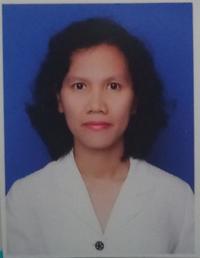
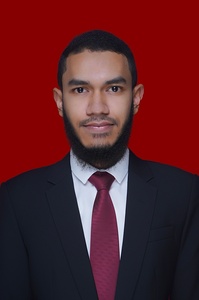
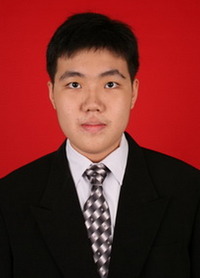
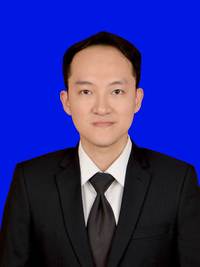
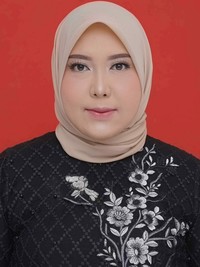
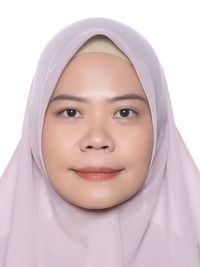
Meet Our Medical Educators
Program Studi Profesi Dokter FKKG UNPRI didukung oleh dosen dan tenaga pengajar dari berbagai bidang ilmu kedokteran yang membimbing dokter muda selama proses pendidikan klinis.











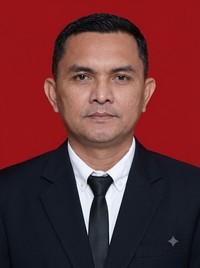


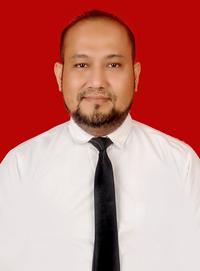


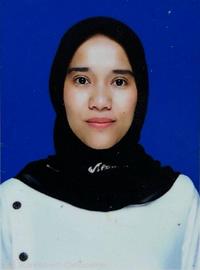


Once a Student, Now a Doctor: Voices of Our Alumni
Setiap alumni memiliki cerita tentang proses belajar, tantangan, pencapaian, dan pengalaman yang membentuk langkah profesional mereka.
Bagi Program Studi Profesi Dokter UNPRI, alumni merupakan bagian penting dari perkembangan program studi sekaligus menjadi inspirasi bagi mahasiswa dan calon mahasiswa.
Melalui cerita alumni, mahasiswa dapat memperoleh gambaran mengenai berbagai jalur pengabdian dan karier di bidang kedokteran, mulai dari pelayanan klinis hingga penelitian dan pendidikan lanjutan.
Informasi kegiatan akademik, pembelajaran klinis, penelitian, dan pengabdian masyarakat.
Program Studi Profesi Dokter merupakan tahap pendidikan profesi setelah Sarjana Kedokteran (S.Ked.) yang mengintegrasikan ilmu kedokteran dengan keterampilan klinis melalui pembelajaran langsung di wahana pendidikan, dengan menekankan kompetensi, etika, dan keselamatan pasien.
Masa studi Program Studi Profesi Dokter dalam informasi program studi dirancang selama 4 semester.
Lulusan harus memenuhi seluruh persyaratan pendidikan profesi, kompetensi, dan ketentuan yang berlaku. Untuk menjalankan praktik kedokteran, lulusan juga wajib memenuhi persyaratan registrasi dan perizinan praktik.
Dokter muda menjalani rotasi klinik pada berbagai bidang kedokteran, termasuk Penyakit Dalam, Bedah, Obstetri dan Ginekologi, Anak, Mata, Radiologi, Anestesiologi, Neurologi, Psikiatri, dan bidang klinis lainnya.
Pembelajaran meliputi anamnesis, pemeriksaan fisik, penalaran klinis, penatalaksanaan pasien, keselamatan pasien, komunikasi, serta etika profesi di bawah supervisi dokter pembimbing.
Ya. Pendidikan didukung kegiatan keterampilan klinis, Skills Lab, serta pembelajaran langsung melalui wahana rumah sakit pendidikan.
Mahasiswa dapat berpartisipasi dalam kegiatan penelitian, seminar, maupun aktivitas ilmiah sesuai program dan kesempatan yang tersedia.
Mahasiswa dapat mengikuti kegiatan pengembangan diri sesuai ketentuan program studi dan universitas, seperti organisasi, pengabdian masyarakat, seminar, pelatihan, dan kegiatan kemahasiswaan lainnya.
Jalur utama lulusan adalah pelayanan kedokteran klinis setelah memenuhi persyaratan registrasi dan perizinan. Lulusan juga dapat mengembangkan karier melalui pendidikan spesialis, penelitian, akademik, manajemen kesehatan, teknologi kesehatan, dan bidang lainnya sesuai kompetensi dan pendidikan lanjutan.
Ketersediaan beasiswa, persyaratan, dan mekanisme seleksi mengikuti kebijakan fakultas dan universitas serta program bantuan pendidikan yang sedang dibuka.
Lingkungan pembelajaran diarahkan untuk memperkuat profesionalisme, komunikasi, kolaborasi, etika, dan kedisiplinan melalui interaksi dengan dokter pembimbing, tenaga kesehatan, pasien, dan keluarga pasien.
Program studi mendorong partisipasi dalam kegiatan ilmiah, seminar, dan kerja sama akademik nasional maupun internasional sesuai program dan ketentuan yang tersedia.
Program Studi Profesi Dokter UNPRI menggabungkan pendidikan klinis, pembelajaran berbasis kompetensi, supervisi dokter pembimbing, pengalaman di wahana pendidikan, dan pengembangan profesionalisme untuk mempersiapkan calon dokter dalam menghadapi kebutuhan pelayanan kesehatan.
PENERIMAAN MAHASISWA BARU
Bangun masa depan di bidang kedokteran melalui pendidikan klinis, pembelajaran berbasis kompetensi, fasilitas pendidikan, serta bimbingan akademisi dan klinisi berpengalaman.
