

Profession · Universitas Prima Indonesia
Where Knowledge Becomes Professional Practice
Dental Professional Education Program
Where Knowledge Becomes Professional Practice
The Dental Professional Education Program is designed to train highly skilled dental professionals who possess comprehensive knowledge and clinical expertise in dentistry. This program focuses on equipping students with the essential skills needed to diagnose, treat, and prevent dental diseases, while also emphasizing ethical practice and effective patient communication.The curriculum covers a wide range of subjects, including dental basic sciences, clinical dentistry, oral pathology, periodontics, prosthodontics, and orthodontics. Through a combination of theoretical learning and hands-on training, students gain proficiency in dental procedures such as oral surgery, tooth restoration, and periodontal treatment, preparing them for real-world clinical practice.A key feature of the program is its integration of theory and practice. Students have the opportunity to participate in clinical rotations at affiliated hospitals or dental clinics, where they work with real patients under the guidance of experienced professionals. This practical exposure helps them develop critical thinking and problem-solving skills in a clinical setting.The program also places a strong emphasis on professional ethics and patient-centered care. Students learn how to build trust with patients, understand their needs, and deliver high-quality dental services. Through ethics courses and case studies, they develop a strong sense of responsibility and commitment to their profession.Upon graduation, students are well-prepared to work independently in various settings, such as private dental practices, hospitals, or public health institutions. The program also provides a solid foundation for those interested in pursuing advanced studies or research in dental sciences.In summary, the Dental Professional Education Program is a comprehensive and practice-oriented course that aims to produce competent and ethical dental professionals. It plays a vital role in advancing oral health care and improving the quality of life for individuals and communities.
Shape Smiles. Shape the Future. Your Future has Smiles.
Memasuki dunia profesi dokter gigi bukan hanya tentang mengabdi pada kesehatan masyarakat, tetapi juga tentang membuka pintu menuju kehidupan profesional yang dinamis, mandiri, dan menjanjikan. Dengan bekal kompetensi klinis dan etika yang matang, Anda akan menikmati privilese istimewa berupa fleksibilitas waktu kerja yang tinggi serta variasi peluang karir yang tak terbatas—mulai dari praktik klinis, akademisi, hingga manajemen kesehatan. Lebih dari itu, profesi ini menawarkan kebebasan untuk bekerja di beberapa tempat sekaligus, memberikan Anda kendali penuh untuk mengembangkan jaringan profesional dan keseimbangan hidup, sekaligus memastikan bahwa setiap langkah karier Anda membawa dampak nyata dan kesejahteraan yang berkelanjutan.
To become a study program that produces dentists as superior professionals in the field of innovative and adaptive socio-technopreneurship by 2030
Producing competent and ethical dentists for the benefit of individuals, families and society.Producing dentists who are able to solve dental and oral health problems based on priority for preventive and promotive, curative and rehabilitative actions for individuals, families and communities independently or in collaboration.Producing dentists who have high skills in dental and oral care and apply technology in services.Producing dentists who are able to develop a socio-technopreneurship spirit in providing health care, especially dental and oral health.Producing dentists who are sensitive to environmental changes to improve public health in general and dental and oral health in particular.Producing dentists who have a life long learning spirit to keep up with developments in dental science, expertise and technologyProducing dentists who have superior health service management skillsProducing dentists who are able to develop innovative research in solving dental and oral health problems.
To improve the competency-based curriculum aligned with advancements in dental science and technology. To increase the number and quality of research contributing to evidence-based dental practice. To expand collaborations with educational institutions, hospitals, and the dental industry for the advancement of dentistry. To enhance students’ skills and professionalism through internships, clinical training, and certification programs. To increase student participation in scientific activities, seminars, and community service programs in dental health.
| Code | Course / Stage | Credits |
|---|---|---|
| PRG7201 | Konservasi Gigi 1 | 2 |
| PRG7102 | Ortodonsia 1 | 1 |
| PRG7103 | Prostodonsia 1 | 1 |
| PRG7104 | Ilmu Penyakit Mulut 1 | 1 |
| PRG7105 | Radiologi Kedokteran Gigi | 1 |
| PRG7106 | Periodonsia 1 | 1 |
| PRG7207 | Bedah Mulut 1 | 2 |
| PRG7308 | Ilmu Kesehatan Gigi Masyarakat dan Pencegahan 1 | 3 |
| Total | 12 | |
Fields of work and professional roles graduates may pursue after completing the program.
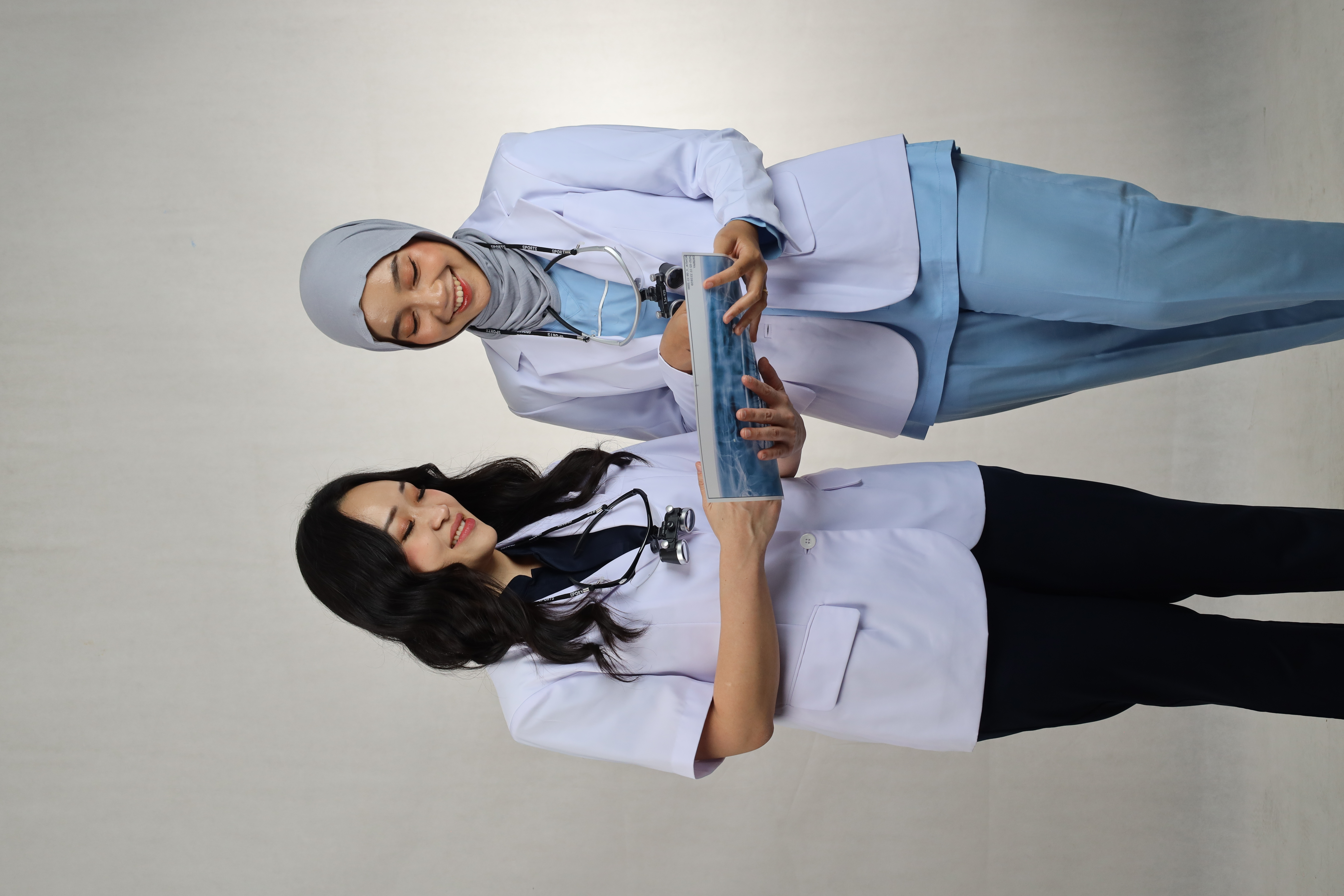
Profesional kesehatan yang memberikan pelayanan kesehatan gigi dan mulut secara komprehensif, meliputi promotif, preventif, diagnostik, terapeutik, dan rehabilitatif berdasarkan ilmu pengetahuan, standar profesi, etika, serta keselamatan pasien.
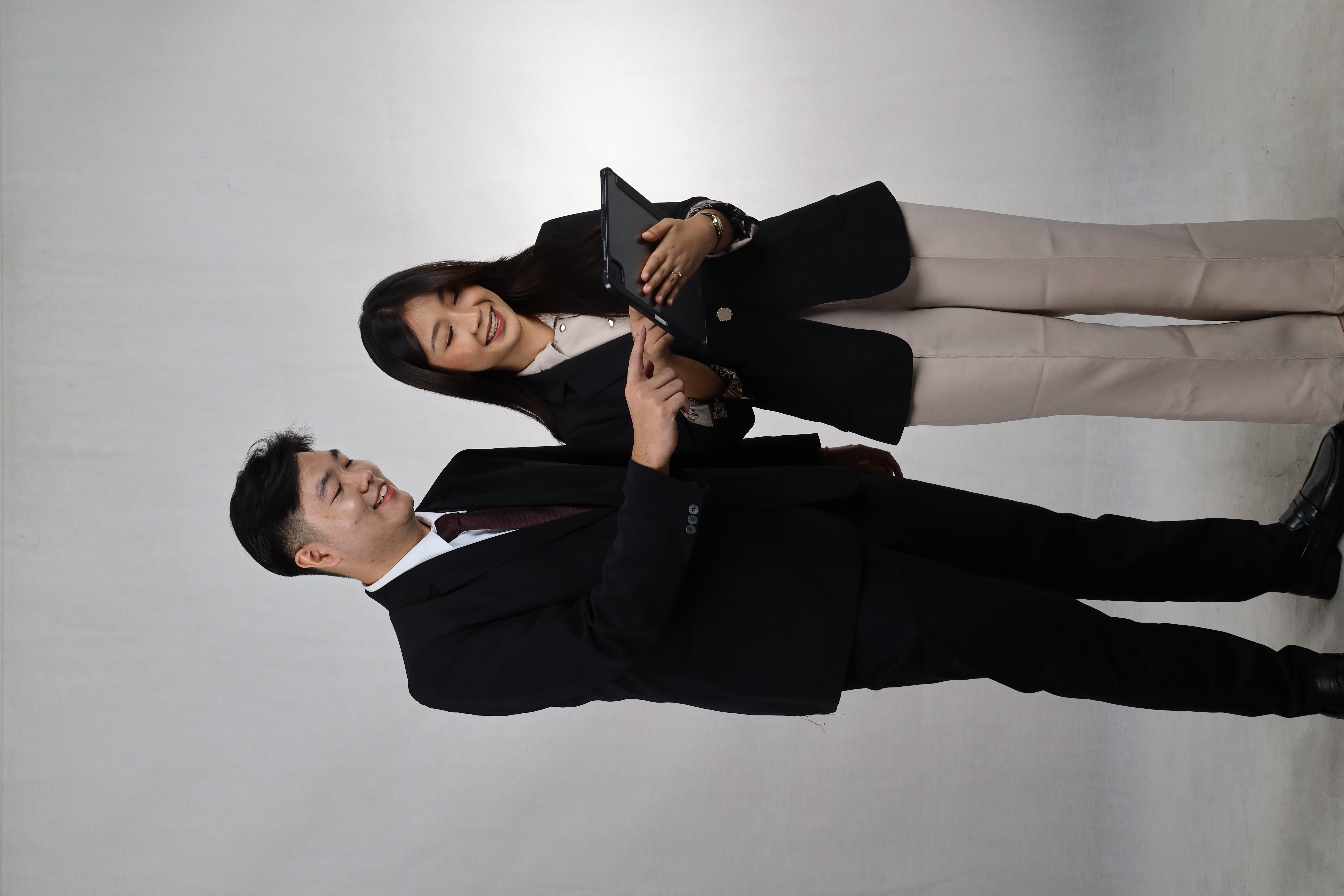
Profesional yang mampu menciptakan dan mengembangkan peluang usaha melalui inovasi layanan, pemanfaatan ilmu pengetahuan dan teknologi, pengelolaan sumber daya, manajemen usaha, serta pengembangan jejaring kemitraan untuk menghasilkan layanan atau produk kesehatan gigi dan mulut yang bernilai tambah, berdaya saing, etis, berkelanjutan, dan berorientasi pada kebutuhan masyarakat.
Profesional akademik yang melaksanakan pendidikan, penelitian, dan pengabdian kepada masyarakat di bidang kedokteran gigi, serta berperan dalam pengembangan ilmu pengetahuan dan kompetensi mahasiswa melalui pembelajaran yang inovatif, berbasis bukti, etika profesi, dan perkembangan teknologi.
Characteristics and capabilities expected of graduates of this study program.
Menggambarkan lulusan yang mampu menjalankan tugas dan profesinya berdasarkan nilai etika dan moral, menunjukkan sikap profesional dan integritas, serta bertanggung jawab terhadap setiap tindakan dan keputusan. Lulusan juga mampu beradaptasi terhadap perubahan, menghasilkan gagasan atau solusi inovatif terhadap permasalahan sosial, serta memiliki jiwa kewirausahaan dalam mengembangkan peluang dan menciptakan nilai bagi masyarakat
Menggambarkan kemampuan lulusan dalam memberikan pelayanan kesehatan gigi dan mulut yang menyeluruh dengan memperhatikan kondisi fisik, psikologis, sosial, dan kebutuhan pasien.
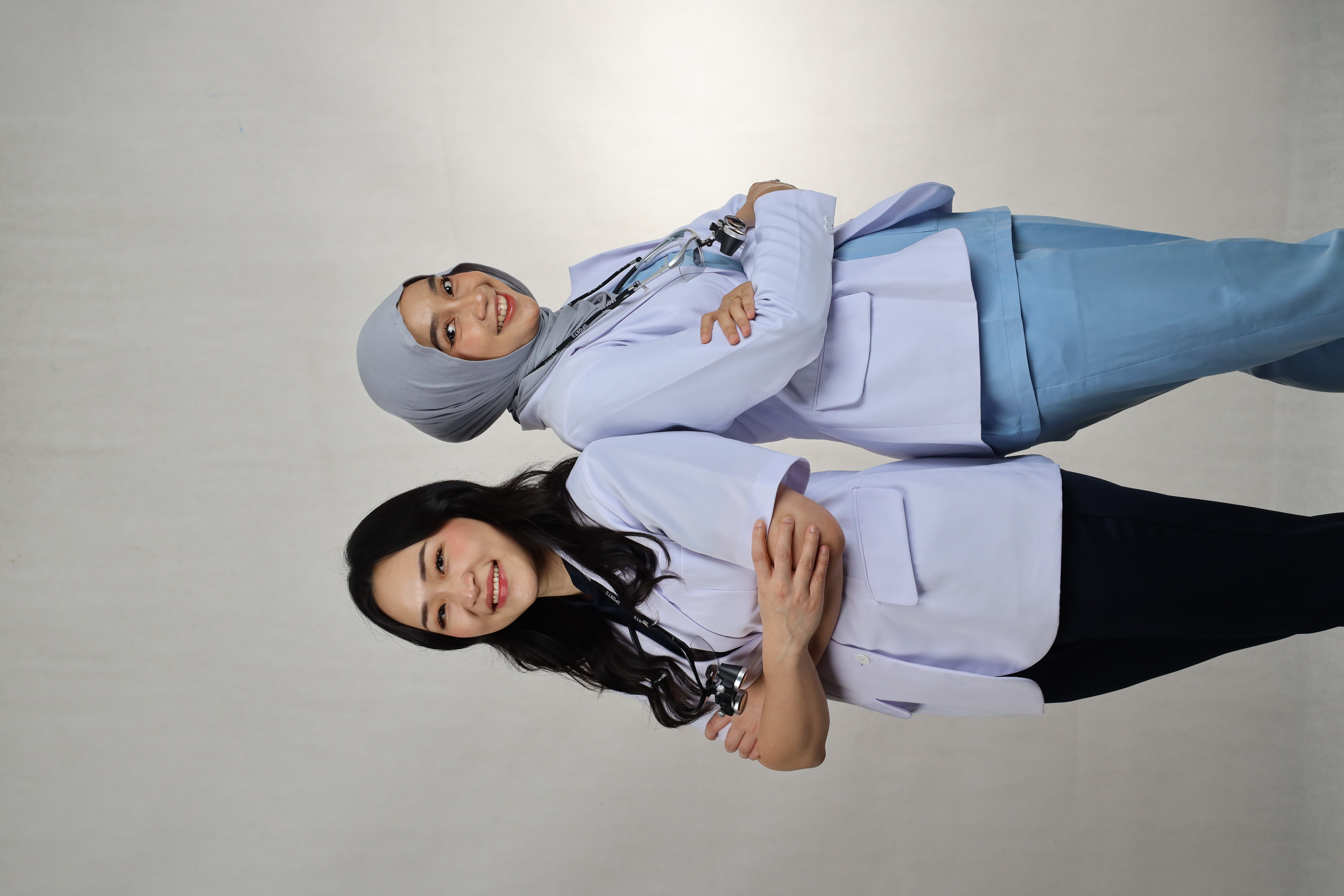
Lulusan mampu menganalisis masalah, menentukan keputusan yang tepat berdasarkan ilmu dan bukti ilmiah, membangun komunikasi yang efektif dengan pasien dan keluarga, serta bekerja sama dengan tenaga kesehatan lain untuk memberikan pelayanan yang aman, bermutu, dan berkesinambungan
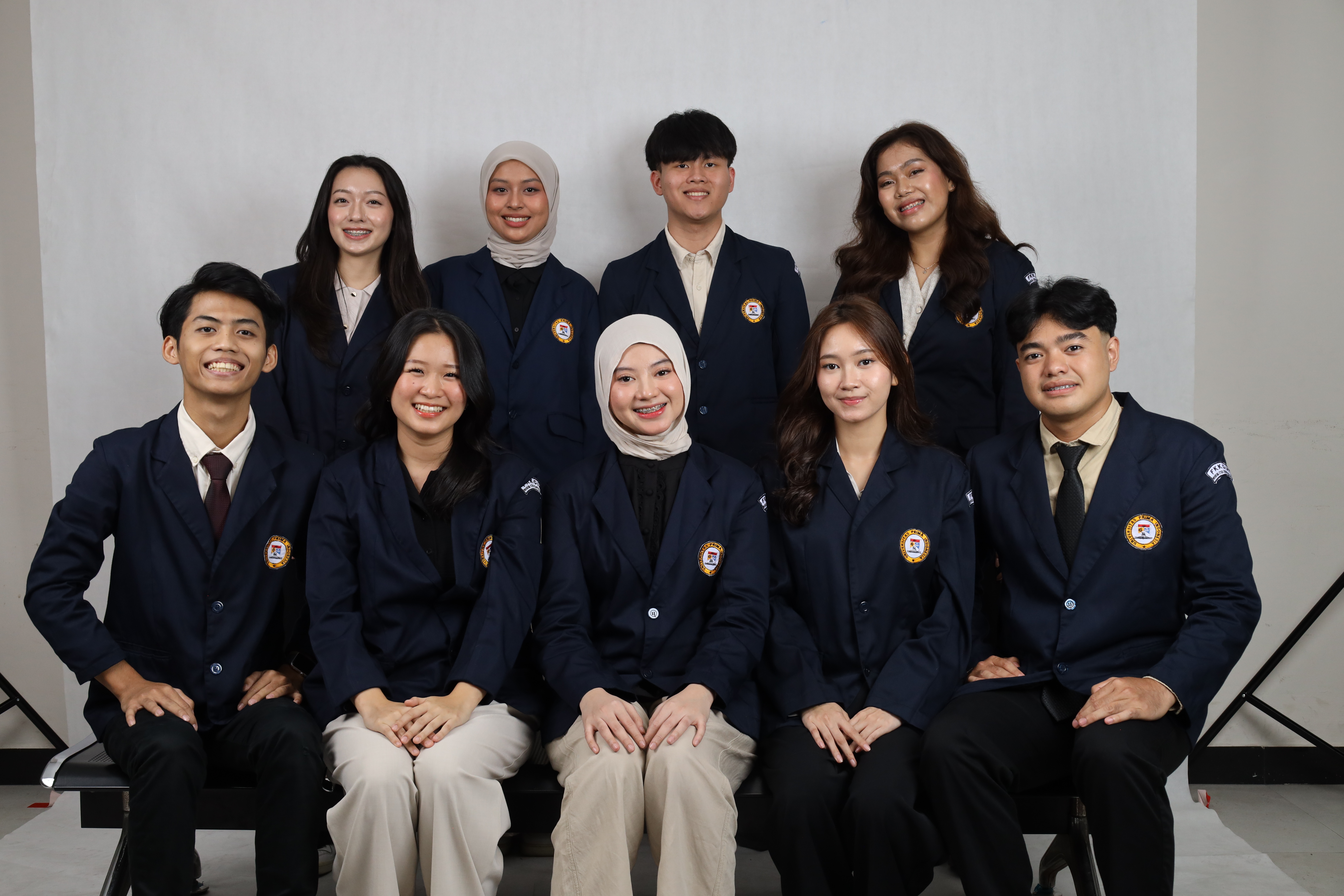
Menggambarkan kemampuan lulusan dalam mengambil peran kepemimpinan di masyarakat, mengorganisasi kegiatan, serta menggerakkan dan memotivasi masyarakat dalam upaya meningkatkan kesehatan gigi dan mulut. Lulusan juga mampu merencanakan, mengelola, dan mengoordinasikan sumber daya serta bekerja secara efektif, harmonis, dan bertanggung jawab dengan berbagai pihak sesuai dengan kebutuhan pelayanan kesehatan gigi dan mulut dan berjiwa sociotechnopreneurship
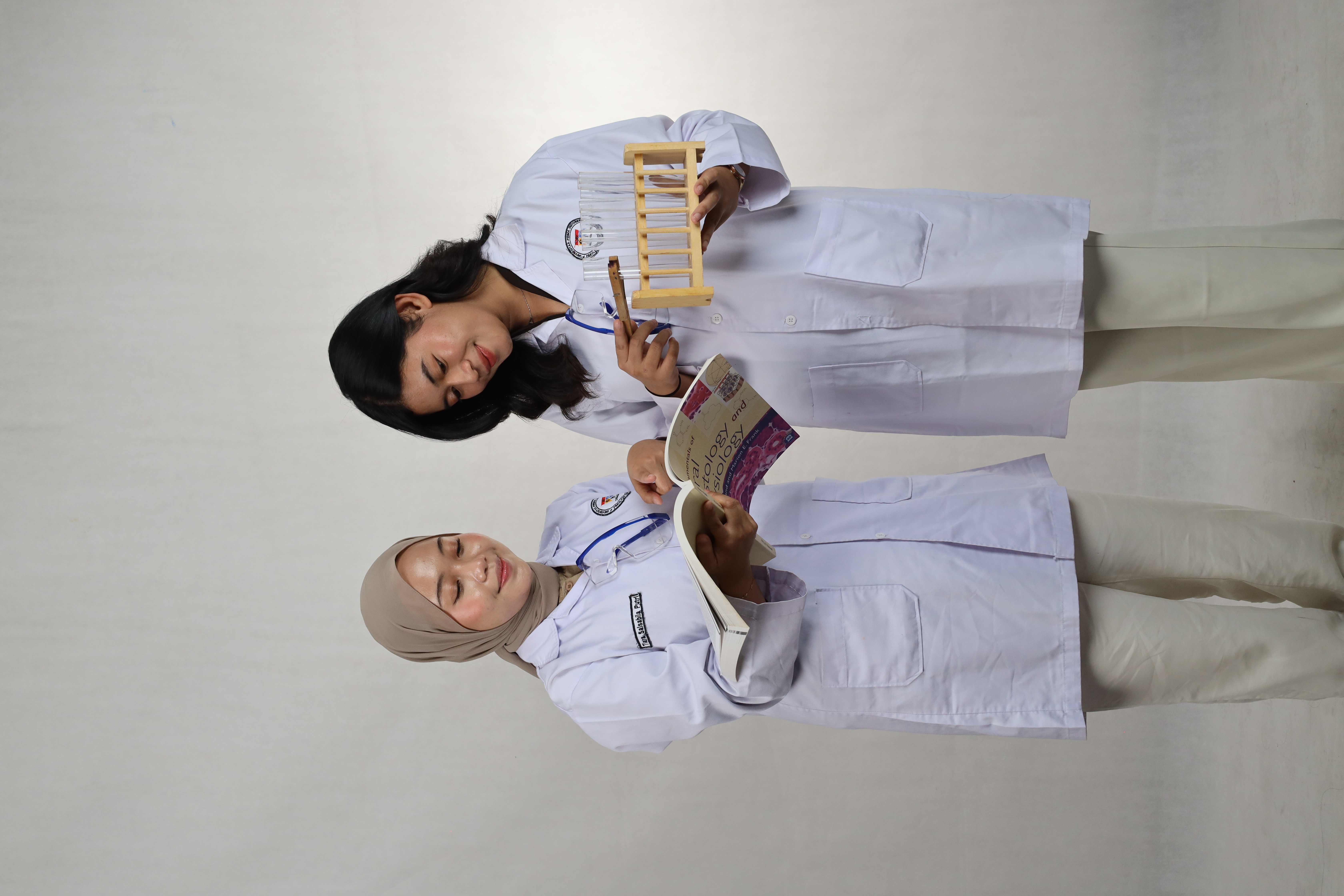
Menggambarkan kemampuan lulusan dalam berperan sebagai pendidik yang mampu menyampaikan pengetahuan kesehatan secara profesional kepada mahasiswa, pasien, tenaga kesehatan, dan masyarakat. Lulusan mampu mengembangkan ilmu pengetahuan melalui kegiatan penelitian, meningkatkan kompetensi diri secara berkelanjutan, serta peka terhadap berbagai permasalahan dan kebutuhan kesehatan sehingga mampu menghasilkan gagasan dan inovasi yang berkontribusi terhadap peningkatan derajat kesehatan masyarakat
Attitudes, knowledge, and skills students are expected to achieve by graduation.
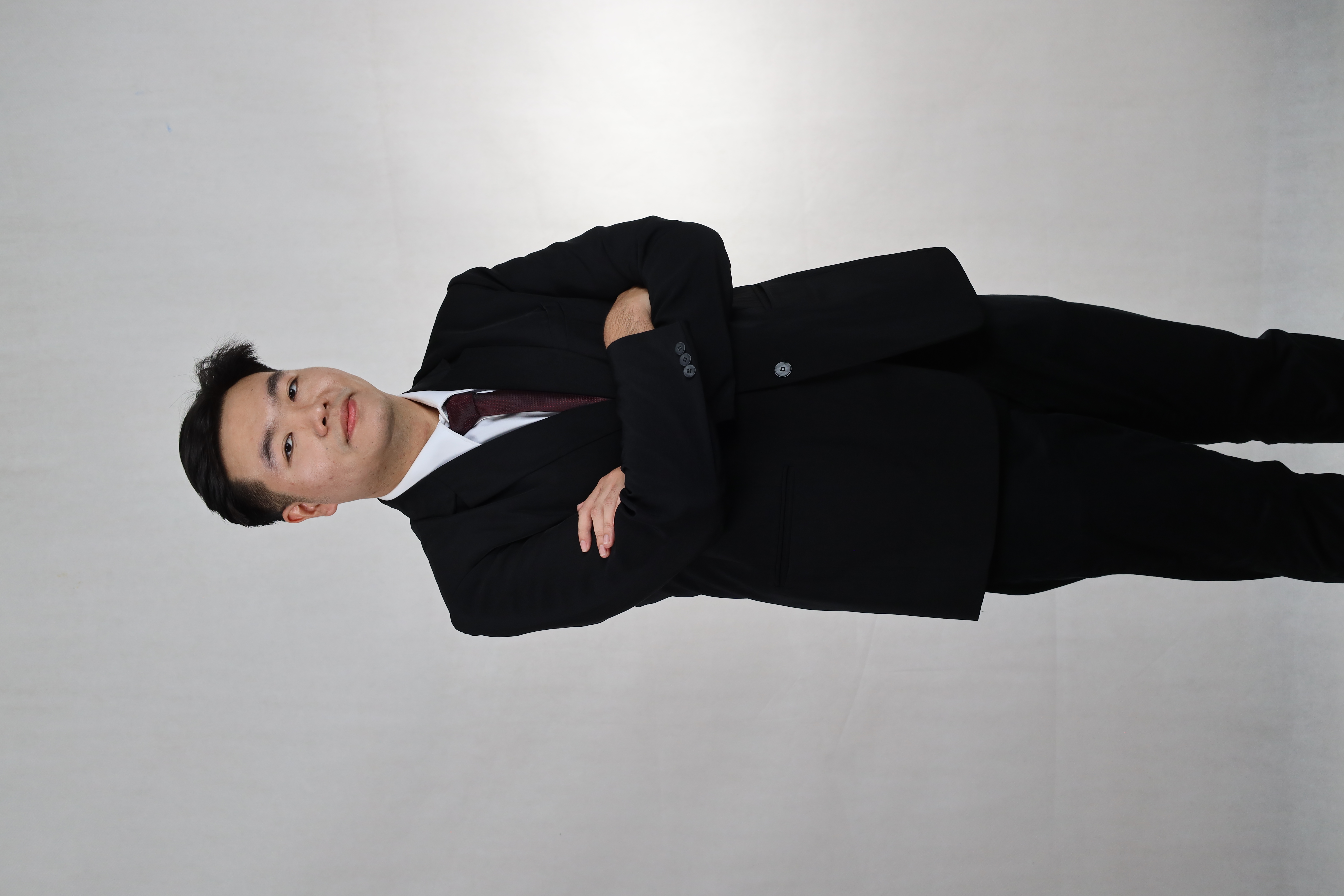
Capable of applying values of piety, ethics, and humanity through an independent, adaptive, and collaborative personality, as well as implementing sociotechnopreneurship principles that impact society.
Menggambarkan kemampuan lulusan dalam menunjukkan sikap religius dan menjunjung nilai ketuhanan, kemanusiaan, etika, moral, nasionalisme, toleransi, serta tanggung jawab dalam menjalankan kehidupan akademik dan profesional. Lulusan mampu menghargai martabat, hak, dan keberagaman setiap individu serta menjadikan nilai-nilai tersebut sebagai dasar dalam memberikan pelayanan kesehatan dan berinteraksi dengan masyarakat
Capable of designing and integrating innovative, evidence-based solutions and advocacy strategies in an interdisciplinary manner for the prevention and management of degenerative diseases.
Menggambarkan kemampuan lulusan dalam memahami dan menganalisis konsep dasar kedokteran secara terintegrasi dengan menghubungkan ilmu biomedik, ilmu klinis, kesehatan masyarakat, dan ilmu perilaku. Kemampuan tersebut menjadi landasan dalam memahami mekanisme penyakit, kondisi kesehatan, serta penerapan prinsip kedokteran dalam berbagai konteks teoritis dan klinis
Capable of independently carrying out a series of processes up to establishing a medical diagnosis, consisting of taking patient history, general physical and stomatognathic examination, subjective, objective, and supporting examinations, leading to differential diagnosis and prognosis of diseases, as well as recording them in medical records according to Indonesian standards. Capable of formulating dental and oral treatment plans according to standard protocols and performing treatments for dental and oral disorders/diseases, as well as evaluating treatment outcomes for patients with or without medical compromises comprehensively based on medical service standards oriented toward improving quality of life independently.
Menggambarkan kemampuan lulusan dalam melakukan proses diagnosis secara sistematis dan menyeluruh, mulai dari anamnesis, pemeriksaan fisik dan stomatognatik, pengumpulan data subjektif dan objektif, pemeriksaan penunjang, penetapan diagnosis banding, hingga penentuan prognosis. Seluruh hasil pemeriksaan dan keputusan klinis mampu didokumentasikan secara lengkap, akurat, dan sesuai standar rekam medis
Capable of independently performing operative dentistry care on permanent teeth according to indications and standard protocols, namely restorations, pulp vitality treatment, root canal treatment, and post-root canal restoration for permanent teeth
Menggambarkan kemampuan lulusan dalam melakukan perawatan konservasi pada gigi permanen sesuai indikasi klinis dan standar yang berlaku. Kompetensi mencakup tindakan restorasi, pemeliharaan vitalitas pulpa, perawatan saluran akar, serta restorasi gigi setelah perawatan saluran akar dengan memperhatikan prinsip keselamatan dan keberhasilan perawatan
Capable of independently performing surgical management of oromaxillofacial hard and soft tissues with local anesthesia, evaluating minor post-surgical outcomes according to indications and standard protocols, managing dental emergencies, and maintaining interprofessional collaboration.
Menggambarkan kemampuan lulusan dalam melakukan tindakan bedah minor pada jaringan keras dan lunak oromaksilofasial dengan anestesi lokal sesuai indikasi dan standar pelayanan. Lulusan mampu melakukan evaluasi pascaoperasi, menangani kegawatdaruratan dental sesuai kompetensi, serta melakukan kolaborasi dengan profesi kesehatan lain apabila diperlukan
Capable of independently diagnosing, formulating treatment plans and prognoses, and performing non-extraction Class I simple malocclusion treatment based on the theory of identifying dental, skeletal, and facial abnormalities due to growth and development, according to standard protocols.
Menggambarkan kemampuan lulusan dalam melakukan diagnosis dan menentukan prognosis pada maloklusi sederhana Klas I dental. Lulusan mampu menyusun rencana perawatan non-ekstraksi dengan mempertimbangkan kelainan dental, skeletal, dan fasial yang berkaitan dengan proses tumbuh kembang serta melaksanakan perawatan sesuai standar yang berlaku
Capable of independently managing periodontal diseases/disorders using periodontal diagnosis principles, carrying out phase-one periodontal treatment, basic and advanced care, occlusal adjustment, home care (HD), and evaluating treatment outcomes according to standard protocols.
Menggambarkan kemampuan lulusan dalam melakukan diagnosis dan pengelolaan penyakit periodontal secara bertahap sesuai kondisi pasien. Lulusan mampu melakukan perawatan periodontal dasar dan lanjutan, penyesuaian oklusi, pengelolaan kebersihan gigi dan mulut, serta mengevaluasi hasil perawatan berdasarkan standar klinis yang berlaku
Capable of independently performing physical and complex craniofacial examinations on pediatric patients, managing pediatric behavior, preventing gingivitis, caries, and malocclusion in children, and treating dental hard tissue disorders, including restorations, extractions, and endodontic treatments according to standard protocols.
Menggambarkan kemampuan lulusan dalam melakukan pemeriksaan kraniofasial pada anak secara komprehensif serta menerapkan pendekatan manajemen perilaku yang sesuai dengan usia dan kondisi anak. Lulusan mampu melakukan upaya promotif dan preventif terhadap gingivitis, karies, dan maloklusi serta memberikan perawatan jaringan keras gigi berupa restorasi, ekstraksi, dan perawatan endodontik sesuai standar
Capable of independently managing simple oral mucosal diseases, including early detection of precancerous and oral cancer lesions, from establishing a diagnosis, physical examination, differential diagnosis, prognosis, pharmacological and non-pharmacological therapy for simple oral mucosal cases, up to follow-up controls, including Informed Consent, Referrals, medical consultations, and IEC (Information, Education, Communication) according to standard protocols.
Menggambarkan kemampuan lulusan dalam melakukan deteksi dini dan pengelolaan penyakit mulut sederhana, termasuk mengenali lesi yang berpotensi menjadi prakanker dan kanker mulut. Lulusan mampu melakukan pemeriksaan, diagnosis banding, menentukan prognosis, memberikan terapi farmakologis dan nonfarmakologis sesuai kewenangan, melakukan kontrol, informed consent, KIE, serta rujukan apabila diperlukan
Capable of independently managing tooth loss, including removable partial dentures, complete dentures, and fixed bridge dentures, providing IEC, and handling post-prosthodontic treatment issues according to standard protocols.
Menggambarkan kemampuan lulusan dalam menangani kehilangan gigi melalui pemilihan dan pelaksanaan perawatan prostodontik yang sesuai, meliputi gigi tiruan sebagian lepasan, gigi tiruan lengkap, dan gigi tiruan jembatan. Lulusan mampu memberikan edukasi kepada pasien serta menangani permasalahan yang muncul setelah penggunaan gigi tiruan sesuai standar pelayanan
Capable of independently taking intraoral and extraoral radiographs according to indications, and formulating interpretations using interpersonal communication principles
Menggambarkan kemampuan lulusan dalam menentukan indikasi dan melaksanakan pemeriksaan radiografi intraoral maupun ekstraoral sesuai prosedur. Lulusan mampu melakukan interpretasi hasil radiografi untuk mendukung diagnosis dan perencanaan perawatan serta mampu menyampaikan informasi hasil pemeriksaan kepada pasien secara jelas dan komunikatif
Capable of independently simulating forensic dentistry data collection, including antemortem and postmortem examination results, as well as soft and hard tissue examinations to determine race, age, and sex.
Menggambarkan kemampuan lulusan dalam melakukan simulasi pengumpulan dan pengelolaan data kedokteran gigi forensik melalui pemeriksaan data antemortem dan postmortem serta identifikasi karakteristik jaringan lunak dan keras. Kompetensi ini digunakan untuk mendukung proses identifikasi individu berdasarkan karakteristik biologis yang dapat dinilai secara forensik
Capable of independently or collaboratively managing practice operations and ergonomic work environments according to health management principles, occupational safety, infection control, and green dentistry concepts.
Menggambarkan kemampuan lulusan dalam mengelola praktik kedokteran gigi dan lingkungan kerja yang aman, sehat, ergonomis, dan berkelanjutan. Lulusan mampu menerapkan prinsip manajemen kesehatan, keselamatan dan kesehatan kerja, pengendalian infeksi, serta konsep green dentistry untuk menciptakan lingkungan pelayanan yang aman bagi pasien, tenaga kesehatan, dan masyarakat
Capable of solving dental and oral disorder problems by collaborating with other health professions, either independently or in teams.
Menggambarkan kemampuan lulusan dalam mengidentifikasi dan menyelesaikan permasalahan kesehatan gigi dan mulut melalui kerja sama dengan berbagai profesi kesehatan. Lulusan mampu berkomunikasi, berbagi informasi, menghargai kompetensi profesi lain, serta mengambil keputusan secara kolaboratif untuk menghasilkan pelayanan yang komprehensif
Capable of independently developing dental and oral health programs based on principles of program planning, organizational planning, implementation, as well as monitoring and evaluation.
Menggambarkan kemampuan lulusan dalam merancang, mengorganisasi, melaksanakan, memantau, dan mengevaluasi program kesehatan gigi dan mulut berdasarkan kebutuhan masyarakat. Lulusan mampu menggunakan pendekatan sistematis dalam pengelolaan program sehingga kegiatan yang dilaksanakan dapat mencapai tujuan dan memberikan dampak terhadap peningkatan kesehatan masyarakat
Approved and locked RPSMK are grouped by semester. The cohort source follows the newest available RPSMK for each course in that semester.
The Conservative Dentistry I focused on Operative Dentistry which is a clinical course designed to develop students’ competencies in patient examination, diagnosis, treatment planning, and restorative management of dental hard tissues in a comprehensive, safe, and evidence-based manner. Clinical learning includes the development of skills in cavity preparation and direct restoration using resin composite for Class I, Class II, Class III, Class IV, and Class V cavities according to G.V. Black’s classification as well as restoration using Glass Ionomer Cement. Students are trained to determine appropriate indications and restorative material selection, perform proper isolation of the operative field, carry out conservative cavity preparation, manipulate restorative materials, apply adhesive systems when indicated, establish appropriate anatomical form and proximal contact, and perform finishing and polishing procedures to achieve restorations that meet biological, functional, and aesthetic requirements. In addition to restorative procedures, students gain clinical experience in performing pulp capping procedures based on appropriate clinical indications and pulpal conditions. These procedures are carried out by applying principles aimed at preserving pulp vitality, controlling infection, selecting appropriate materials, and conducting continuous evaluation of treatment outcomes. The learning process is conducted through direct patient care at RSGM Prima under the supervision of clinical instructors. Students are expected to integrate foundational and clinical knowledge, procedural skills, communication competencies, clinical decision-making, patient safety, infection prevention and control, medical record documentation, as well as professional and ethical conduct throughout all stages of patient care. Students are expected to be able to provide conservative dental care for cases that are appropriate to their level of competence and professional authority in an independent and responsible manner, while prioritizing the principles of minimal intervention dentistry, patient safety, professionalism, and quality oral healthcare delivery.
The Orthodontics I course in the Dentistry Profession Study Program, Faculty of Dentistry, University of Indonesia (FKKG), equips clinical clerkship students with the skills to systematically, comprehensively, and evidence-basedly examine, diagnose, plan, and implement orthodontic treatment for simple malocclusions. Learning is carried out through clinical activities by integrating basic orthodontic knowledge, clinical skills, analytical skills, professional communication, and the application of patient safety principles. The scope of learning includes anamnesis and orthodontic clinical examination, identification and diagnosis of malocclusion, jaw impressions and study model creation, model analysis, stomatognathic system function analysis, photographic and radiographic analysis, and cephalometric analysis as part of the collection and interpretation of diagnostic data. Based on the results of these examinations, students are trained to integrate various clinical and supporting findings in determining the diagnosis, compiling a problem list, establishing treatment goals, and designing an orthodontic treatment plan with removable appliances according to the patient's indications and needs. Students then gain clinical experience in selecting and designing removable orthodontic appliance components, treatment preparation stages, evaluating patient readiness, and inserting removable orthodontic appliances. During the insertion stage, students are trained to evaluate the accuracy of adaptation, retention, activation, and appliance function, provide instructions for use and maintenance to patients, and educate patients on oral hygiene, appliance compliance, and treatment follow-up schedules. The entire learning process emphasizes the application of evidence-based dentistry, patient-centered care, patient safety, infection control, effective communication, ethics, professionalism, and accurate and responsible medical record keeping. Through this course, students are expected to be able to provide integrated basic orthodontic services in accordance with dentist competency standards, clinical authority limits, and the principles of safe, effective, and high-quality oral health services.
The Prosthodontics 1 course in the Dentistry Profession Study Program, Faculty of Dentistry UNPRI equips Clinical Clerkship students with the ability to conduct a comprehensive approach to patients by identifying and classifying tooth loss, conducting subjective and objective examinations, analyzing intraoral conditions, determining diagnoses, determining indications and contraindications, preparing treatment plans, selecting denture designs, and applying biomechanical principles, retention, stabilization, and denture support. Learning includes examination, establishing diagnoses, and managing and evaluating simple oral disease cases. Case studies in this semester include patient preparation, anatomical and physiological impressions, making working models, determining designs, communicating with the laboratory, try-in, denture fitting, instructions for use and maintenance, and post-fitting evaluation and control. Learning activities are carried out at RSGM Prima under the supervision of a Specialist Doctor. Students are expected to be able to follow and carry out a series of learning courses in prosthodontics.
The Oral Medicine 1 course in the Dentistry Profession Study Program, Faculty of Dentistry, University of Pristina, equips Clinical Clerkship students with the ability to conduct a comprehensive approach to patients with diseases and disorders of the oral soft tissue through case-based learning. Learning includes anamnesis, extraoral and intraoral examinations, identification and interpretation of lesions, working and differential diagnoses, selection of supporting examinations, management plans, communication-information-education (KIE), and consultation and referrals. Case studies in this semester include SAR, angular cheilitis, and tongue disorders. Learning activities are carried out at RSGM Prima under the supervision of a Specialist Doctor in the Field of Science. Students are expected to be able to carry out examinations, determine diagnoses, and manage and evaluate simple oral disease cases.
Dental Radiology in the Professional Dentist Program at Universitas Prima Indonesia is a clinical course focused on developing students' competencies in preparing, performing, evaluating the quality of, and interpreting dental radiographic examinations in a safe, systematic, professional, and clinically indicated manner. Clinical learning is conducted at a Dental and Oral Hospital under the supervision of a specialist dentist in Dental Radiology. Clinical learning includes radiology referral and consultation, communication and patient education, patient identification and history taking including pregnancy status, informed consent, radiation exposure history, radiation protection, aseptic principles, and preparation of equipment, patient, and operator. Students are trained to perform intraoral periapical radiography using bisecting-angle and paralleling techniques, bitewing and occlusal radiography, conventional/digital image processing, panoramic radiography, and cephalometric radiography. Students also develop competencies in radiographic quality evaluation, interpretation of radiographic anatomy and abnormalities on intraoral and panoramic radiographs, and basic cephalometric tracing and analysis. Learning is conducted through Expert Lectures, Pretests, and patient-based or appropriate clinical-data activities under the supervision of clinical instructors. Students are expected to integrate knowledge, procedural skills, radiographic interpretation, patient safety, radiation protection, communication, documentation, clinical decision-making, professionalism, and accountability in dental radiology services.
The Periodontics I course in the Dentistry Profession Study Program, Faculty of Dentistry, Universitas Privat (FKKG), is a clinical learning course that focuses on developing students' competencies in conducting examinations, diagnoses, treatment plans, and basic periodontal procedures comprehensively, safely, and in accordance with the principles of evidence-based dentistry. Learning emphasizes clinical skills in plaque control, scaling, and root surface debridement, using both manual instruments (manual scaling) and electric/ultrasonic instruments (powered or ultrasonic scaling). Students are trained to select the right instrument, apply periodontal instrumentation techniques correctly, position the operator and patient, and perform scaling procedures systematically while paying attention to the effectiveness of deposit removal, periodontal tissue preservation, infection control, and patient safety. All learning activities are carried out at RSGM Prima through an Outcome-Based Education (OBE) approach by integrating aspects of knowledge, clinical skills, communication, professionalism, ethics, patient safety, infection control, and evidence-based clinical decision-making. Through this course, students are expected to have basic competencies in providing effective, responsible, patient-centered non-surgical periodontal services, as well as being the basis for learning and managing more complex periodontal cases at the next stage of clinical education.
The Oral Surgery I course in the Dentistry Profession Study Program, Faculty of Dentistry, University of Pristina, is a clinical course that equips Clinical Clerkship Students with the knowledge, skills, and professional attitudes to perform basic oral surgery safely, systematically, and evidence-based. The course focuses on simple tooth extraction clinical skills, including patient assessment, determination of indications and contraindications, treatment planning, patient and instrument preparation, application of asepsis and antisepsis principles, local anesthesia administration, atraumatic tooth extraction techniques, and post-procedure evaluation and management. Students are also guided to perform rational premedication and pharmacological management according to the patient's systemic condition, procedural needs, clinical indications, and patient safety principles. The course includes assessing medical history and medication use, identifying risk factors and potential drug interactions, selecting appropriate medications, writing correct prescriptions, and providing instructions and education to patients before and after the extraction. The course is conducted at Prima General Hospital under the supervision of a Specialist Doctor who serves as a Supervising Lecturer. At the end of the course, students are expected to be able to perform simple tooth extraction and administer premedication independently in a limited manner according to the level of professional competence, evidence-based, patient-oriented, and under clinical supervision, while being able to recognize conditions or complications that require further management or referral.
The Public Health and Prevention 1 course in the Dentistry Profession Study Program equips Clinical Clerkship students with the ability to carry out Public Health Efforts (UKM) in community health centers in groups, including surveys to identify community dental and oral health problems, design, implementation, and evaluation of promotive-preventive programs; and carry out Individual Health Efforts (UKP) in community health centers or through collaboration with other fields of science, including diagnosis and treatment of individual dental health problems, doctor-patient communication, motivational interviewing, and efforts to change behavior. Cognitive deepening activities in the form of preparing proposals for survey planning, programs, implementation and results are carried out through group discussions. Learning activities are carried out at the Health Office and networked community health centers and partner health service facilities under the supervision of Lecturers in the Field of Public Health and Prevention.
The Orthodontics II course in the Dentistry Profession Study Program, Faculty of Dentistry, University of Indonesia (FKKG), equips clinical clerkship students with the skills to systematically, comprehensively, and evidence-basedly examine, diagnose, plan, and implement orthodontic treatment for simple malocclusions. Learning is carried out through clinical activities by integrating basic orthodontic knowledge, clinical skills, analytical skills, professional communication, and the application of patient safety principles. The scope of learning includes anamnesis and orthodontic clinical examination, identification and diagnosis of malocclusion, jaw impressions and study model creation, model analysis, stomatognathic system function analysis, photographic and radiographic analysis, and cephalometric analysis as part of the collection and interpretation of diagnostic data. Based on the results of these examinations, students are trained to integrate various clinical and supporting findings in determining the diagnosis, compiling a problem list, establishing treatment goals, and designing an orthodontic treatment plan with removable appliances according to the patient's indications and needs. Students then gain clinical experience in selecting and designing removable orthodontic appliance components, treatment preparation stages, evaluating patient readiness, and inserting removable orthodontic appliances. During the insertion stage, students are trained to evaluate the accuracy of adaptation, retention, activation, and appliance function, provide instructions for use and maintenance to patients, and educate patients on oral hygiene, appliance compliance, and treatment follow-up schedules. The entire learning process emphasizes the application of evidence-based dentistry, patient-centered care, patient safety, infection control, effective communication, ethics, professionalism, and accurate and responsible medical record keeping. Through this course, students are expected to be able to provide integrated basic orthodontic services in accordance with dentist competency standards, clinical authority limits, and the principles of safe, effective, and high-quality oral health services.
The Periodontics II course in the Dentistry Profession Study Program, Faculty of Dentistry, Universitas Privat (FKKG), is a clinical course that focuses on strengthening students' competencies in comprehensively managing periodontal cases, particularly through clinical skills in splinting, occlusal adjustment, and management of hypersensitive dentin. Learning is carried out through integrated clinical services at RSGM Prima under the supervision of a Specialist Doctor in the Field of Science, emphasizing students' abilities in conducting anamnesis, clinical examination, identification of etiological and risk factors, establishing a diagnosis, preparing a treatment plan, selecting action indications, and implementing clinical procedures in accordance with scientific principles and dental service standards. Each action is carried out with attention to the principles of patient safety, infection control, work ergonomics, the use of appropriate materials and instruments, as well as evaluation of treatment outcomes and clinical follow-up. Through this learning process, students are expected to be able to integrate Periodontics clinical knowledge and skills in evidence-based decision-making (evidence-based dentistry), communicate effectively with patients, provide education and obtain consent for medical procedures, and demonstrate a professional, ethical, disciplined, responsible attitude and the ability to collaborate in dental and oral health services. Periodontics II learning is aimed at supporting the achievement of dentist competency in providing periodontal services that are safe, effective, patient-oriented, and in accordance with professional standards and the quality of dental and oral health services.
The Oral Medicine 2 course in the Dentistry Profession Study Program, Faculty of Dentistry, University of Pristina, equips Clinical Clerkship students with the ability to conduct a comprehensive approach to patients with diseases and disorders of the oral soft tissue through case-based learning. Learning includes anamnesis, extraoral and intraoral examinations, identification and interpretation of lesions, working and differential diagnoses, selection of supporting examinations, management plans, communication-information-education (KIE), and consultation and referrals. Case studies in this semester include Selected Cases, Denture Stomatitis, and Oral Manifestations of Systemic Diseases. Learning activities are carried out at RSGM Prima under the supervision of Specialist Doctors in the Field of Science. Students are expected to be able to carry out examinations, determine diagnoses, manage and evaluate simple oral disease cases.
Pediatric Dentistry I is a course in the Dentistry Profession Study Program, Faculty of Dentistry, Universitas Priti (FKKG), which equips students with knowledge, clinical skills, professional attitudes, and decision-making abilities in providing comprehensive, safe, and patient-oriented dental and oral health services to pediatric patients. Learning is carried out through integrated clinical experiences that emphasize students' abilities in conducting examinations, determining diagnoses, developing treatment plans, and carrying out pediatric dental procedures according to clinical indications and authority. Clinical skills developed include scaling in pediatric patients, restoration or filling of primary teeth and young permanent teeth, and tooth extraction in children by taking into account growth and developmental conditions, child behavior, principles of pain control, patient safety, and infection prevention and control. This course also emphasizes promotive and preventive approaches through the implementation of caries prevention measures, including Topical Fluoride Application (TFA), Fissure Sealant, and Preventive Resin Restoration (PRR) according to the results of caries risk assessments and individual patient needs. The clinical learning process is implemented at RSGM Prima in a structured, gradual manner under the supervision of a clinical supervisor, integrating the principles of evidence-based dentistry, effective communication with pediatric patients and their families, child behavior management, patient safety, infection control, medical record documentation, ethics, and dental professionalism. Through this course, students are expected to be able to provide holistic, high-quality, responsible, and patient-centered basic pediatric dentistry services as part of achieving dental competency.
Dental Conservation Science II is a course in the Dentistry Profession Study Program, Faculty of Dentistry, Universitas Priti (FKKG), which equips students with advanced clinical skills in the diagnosis, planning, implementation, and evaluation of comprehensive, evidence-based, and patient safety and needs-oriented dental conservation treatments. Clinical learning in this course includes skills in performing root canal treatment, starting from establishing a diagnosis of pulp and periapical tissue, determining treatment indications, access preparation, determining working length, root canal preparation and irrigation, obturation, to evaluating treatment results. Students are also trained in pulp capping as a measure to maintain pulp vitality in cases that meet the indications, by paying attention to the principles of asepsis, material selection, prognosis, and monitoring treatment results. In addition to endodontic treatment, students are equipped with skills in post-treatment dental rehabilitation through the manufacture of posts on teeth that require additional retention as well as the planning and implementation of indirect full crown restorations. All clinical activities are carried out at RSGM Prima in a gradual and structured manner under the supervision of clinical supervisors who are Specialist Doctors in the Field of Science by integrating the principles of evidence-based dentistry, patient-centered care, patient safety, infection prevention and control, effective communication, medical record documentation, ethics, and professionalism. Through this course, Clinical Clerkship students are expected to be able to integrate endodontic and restorative treatments rationally to preserve teeth, restore function and aesthetics, and provide safe, effective, high-quality, and responsible dental conservation services.
Oral Surgery II is a course in the Dentistry Profession Study Program, Faculty of Dentistry, Universitas Priti (FKKG), designed to develop students' clinical skills in managing oral surgery cases in a step-by-step, integrated, safe manner, and in accordance with the dentist's clinical authority. Learning emphasizes students' abilities in integrating the results of anamnesis, clinical and supporting examinations, establishing a diagnosis, determining action indications, preparing a treatment plan, carrying out surgical procedures, and post-action evaluations with attention to patient safety and the principles of professionalism. Clinical skills developed include molar tooth extraction by considering anatomical conditions, local anesthetic techniques, instrument selection, principles of atraumatic extraction, bleeding control, and post-operative instructions and evaluation. Students also gain experience in assisting oral surgery procedures in the operating room/major OT, which includes patient preparation, application of asepsis and antisepsis principles, introduction to surgical instruments, support to the operator during the procedure, monitoring patient safety, and coordination and communication within the health care team. In addition, students are trained in performing minor surgical procedures as indicated, including alveolectomy and the removal of retained tooth fragments or fractures, while taking into account the principles of surgical design, atraumatic tissue manipulation, bone and soft tissue management, irrigation, hemostasis control, suturing when necessary, and wound healing monitoring. Each procedure is performed through a structured clinical supervision process tailored to the complexity of the case and the student's competency. Learning is conducted at RSGM Prima and RSU Royal Prima under the supervision of a Specialist Doctor in the Field of Science. Through this course, students are expected to be able to provide basic oral surgery services systematically, rationally, safely, and responsibly, as well as be able to recognize competency limitations and determine the need for consultation or referral in cases requiring further treatment.
The Prosthodontics 2 course in the Dentistry Profession Study Program, Faculty of Dentistry, Universitas Priti (FKKG), equips Clinical Clerkship students with the ability to conduct a comprehensive approach to patients by identifying and classifying tooth loss, conducting subjective and objective examinations, analyzing intraoral conditions, determining diagnoses, determining indications and contraindications, preparing treatment plans, designing GTPs, and the principles of biomechanics, retention, stabilization, and denture support. Learning includes examination, establishing diagnoses, and managing and evaluating simple oral disease cases. Case studies in this semester include patient preparation, anatomical and physiological impressions, making working models, determining designs, communicating with the laboratory, try-in, denture installation, instructions for use and maintenance, and post-installation evaluation and control. Learning activities are carried out at RSGM Prima under the supervision of a Specialist Doctor in the Field of Science. Students are expected to be able to follow and carry out Full Denture / Complete Denture treatment.
This Forensic Odontology course, part of the Professional Dentistry Study Program FKKG UNPRI, equips clinical clerkship students with forensic dental identification clinical skills (Shows How level, through simulation/roleplay/demonstration), covering antemortem and postmortem examination of forensic cases, identification of estimated sex, race, and age using radiographic and/or orocraniofacial anatomical images (Cheiloscopy using the Suzuki-Tsuchihashi method and Rugoscopy using the Thomas & Kotze method), and preparation of antemortem and postmortem data according to Disaster Victim Identification (DVI)-Interpol standards. Cognitive-deepening activities (Knows How level) are carried out through lectures, case discussion, and preparation of forensic odontology case reports.
The Oral Surgery 3 course in the Dentistry Profession Study Program, Faculty of Dentistry, University of Pristina, is a professional level course that focuses on developing students' clinical competencies in managing simple minor oral surgery cases comprehensively, safely, and in accordance with the principles of evidence-based dentistry. Learning is carried out through direct clinical services to patients under the supervision of a clinical supervisor by integrating aspects of diagnosis, action planning, procedural skills, patient safety, infection prevention and control, and professionalism. In this course, students gain clinical experience in performing alveolectomy, tooth fragment or fracture removal, and odontectomy in selected cases within the dentist's competence limits. Students are trained in conducting anamnesis, clinical examination, interpretation of supporting radiographic examinations, assessment of the patient's systemic condition, establishing a diagnosis, and determining indications and contraindications for surgical procedures. Students are also guided in developing treatment plans, preparing patients and surgical fields, applying the principles of asepsis and antisepsis, and performing minor surgical procedures with precise and controlled techniques. The learning process at RSGM Prima is conducted under the supervision of specialist doctors in the field of science which includes skills in administering local anesthesia, creating and managing flaps if needed, atraumatic removal of hard tissue or tooth fragments, alveoplasty or alveolectomy, wound irrigation and debridement, bleeding control, suturing, and postoperative management. Students are also trained to provide postoperative education and instructions, prescribe medications as indicated, evaluate wound healing, and recognize and carry out initial management of possible complications. Through the Oral Surgery 3 course, students are expected to be able to integrate biomedical and clinical knowledge with minor surgical skills, clinical decision-making, effective communication, and the application of patient safety principles in the management of alveolectomy cases, tooth fracture removal, and simple odontectomy.
Dental Conservation Science III is a course in the Dentistry Profession Study Program, Faculty of Dentistry, Universitas Privat (FKKG), which equips students with advanced clinical skills in the diagnosis, planning, implementation, and evaluation of comprehensive, evidence-based, and patient safety and needs-oriented dental conservation treatments. Clinical learning in this course includes skills in performing root canal treatment, starting from establishing a diagnosis of pulp and periapical tissue, determining treatment indications, access preparation, determining working length, root canal preparation and irrigation, obturation, to evaluating treatment results. In addition to endodontic treatment, students are equipped with skills in carrying out dental rehabilitation after indirect restoration treatment. All clinical activities are carried out at RSGM Prima in a gradual and structured manner under the supervision of clinical supervisors who are Specialist Doctors in the Field of Science by integrating the principles of evidence-based dentistry, patient-centered care, patient safety, infection prevention and control, effective communication, medical record documentation, ethics, and professionalism. Through this course, Clinical Clerkship students are expected to be able to integrate endodontic and restorative treatments rationally to preserve teeth, restore function and aesthetics, and provide safe, effective, high-quality, and responsible dental conservation services.
The Orthodontics 3 course in the Dentistry Profession Study Program, Faculty of Dentistry, Universitas Privat (FKKG), is a professional level course that emphasizes the development of students' clinical competencies in conducting orthodontic treatment control using removable appliances and evaluating the progress of malocclusion cases continuously. Learning is carried out through direct clinical services to patients under the supervision of clinical supervisors who are specialist doctors in the field of science at RSGM Prima by integrating aspects of diagnosis, evaluation of treatment results, clinical decision-making, therapeutic communication, professionalism, and patient safety. In this course, students are trained to evaluate the patient's intraoral and extraoral conditions at each follow-up visit, assess the adaptation and function of removable orthodontic appliances, evaluate tooth movement and changes in occlusal relationships, activate and adjust appliance components as needed, and systematically document the progress of malocclusion cases. Students are also expected to be able to compare actual clinical conditions with predetermined goals and treatment plans, identify obstacles during treatment, and determine follow-up based on the patient's biological response and clinical development. The course also emphasizes students' ability to analyze various factors supporting the success of orthodontic treatment, including the accuracy of the diagnosis and treatment plan, the suitability of the appliance design and function, patient compliance in using the appliance, maintaining oral hygiene, regularity of follow-up visits, the patient's age and growth potential, the condition of the periodontal tissue, and the support and motivation of the patient and family. Based on the results of this evaluation, students are guided to assess the prognosis of treatment, identify risk factors that can affect the final outcome, and consider the need for modification of the treatment plan or referral if the case is beyond the limits of competence. Through the Orthodontics 3 course, students are expected to be able to monitor and evaluate malocclusion treatment with removable orthodontic appliances in a comprehensive, systematic, safe, and evidence-based manner, as well as demonstrate clinical decision-making skills, effective communication, professionalism, and responsibility in supporting the success and stability of orthodontic treatment results.
The Periodontics 3 course in the Dentistry Profession Study Program, Faculty of Dentistry, University of Pristina, is a professional-level course that emphasizes the development of students' clinical competencies in the management of periodontal cases requiring simple periodontal surgery. Learning is carried out in an integrated manner through clinical service activities for patients by applying the principles of diagnosis, treatment planning, patient safety, infection control, and professional, evidence-based dental practice. In this course, students gain clinical experience in performing periodontal curettage and gingivectomy according to case indications. Students are trained to conduct a comprehensive history and periodontal examination, establish a diagnosis and prognosis, determine indications for periodontal surgery, develop a treatment plan, prepare the patient and surgical area, and perform curettage and gingivectomy procedures with appropriate and safe techniques. Students are also guided in controlling bleeding, managing periodontal wounds, providing postoperative instructions, evaluating tissue healing, and monitoring treatment outcomes. Learning is carried out at RSGM Prima under the supervision of specialist doctors in the field. Through the Periodontics 3 Course, students are expected to be able to provide comprehensive, systematic, safe, and responsible periodontal services and demonstrate a professional, ethical, communicative attitude, and be oriented towards the needs and safety of patients as part of achieving dentist competency.
The Prosthodontics 3 course in the Dentistry Profession Study Program, Faculty of Dentistry, Universitas Privat (FKKG), equips Clinical Clerkship students with the ability to carry out a comprehensive approach to patients requiring GTC, including identification and analysis of tooth loss and damage, subjective and objective examinations, analysis of intraoral conditions and supporting tissues, supporting examinations, determination of diagnosis and prognosis, determination of indications and contraindications, and preparation of GTC treatment plans based on the patient's clinical condition. Case studies in this semester include the basic principles of GTC, selection of abutment teeth, principles of tooth preparation, principles of biomechanics, retention and resistance, occlusal relationships, and principles of aesthetics and function in GTC treatment. Students are expected to be able to participate in and carry out GTC treatment. Learning activities are carried out at RSGM Prima under the supervision of Specialist Doctors in the Field of Science.
The Pediatric Dentistry 2 course in the Dentistry Profession Study Program, Faculty of Dentistry, Universitas Priti (FKKG), is a professional level course that emphasizes the development of students' clinical competencies in managing dental and oral health problems in children in a comprehensive, integrated, safe, and patient-oriented manner. Learning is carried out through direct clinical services to pediatric patients under the supervision of a clinical supervisor by integrating aspects of diagnosis, treatment planning, behavior management, procedural skills, communication, patient safety, and professionalism. In this course, students gain clinical experience in performing pulp treatment on children, including assessing pulp conditions, determining indications and contraindications for treatment, and implementing pulp treatment according to clinical conditions and stages of tooth development. Students are trained to integrate the results of anamnesis, clinical examination, and supporting examinations in determining the appropriate diagnosis and treatment plan, while considering factors such as age, the child's level of cooperation, systemic conditions, dentition development, and the prognosis of the treated teeth. Students are also guided in planning and managing Space Maintainers in cases of premature loss of primary teeth that have the potential to disrupt occlusion development. Learning includes assessing space maintenance needs, selecting the appropriate type of appliance, evaluating the condition of teeth and supporting tissues, clinical procedures for installation, patient and parent education, and periodic check-ups to assess function, hygiene, adaptation, and treatment success. In addition to curative and interceptive measures, this course emphasizes a preventive approach in children through caries risk assessment, oral health education, oral hygiene instructions, dietary counseling, topical fluoride application, use of pit and fissure sealants as indicated, and planning follow-up visits based on the patient's needs and risk level. The preventive approach is aimed at developing dental health maintenance behaviors from an early age and maintaining the health of hard and soft oral tissues during the child's growth and development. Learning is implemented at RSGM Prima under the guidance of a clinical supervisor. Through the Pediatric Dentistry 2 Course, students are expected to be able to integrate clinical knowledge and skills in conducting pulp treatment, the use of Space Maintainers, and preventive measures in pediatric patients in a comprehensive, systematic, safe, and evidence-based manner, as well as demonstrating a professional, communicative, responsible attitude, and oriented towards the growth and development of children's teeth and oral health in a sustainable manner.
This Forensic Odontology course, part of the Professional Dentistry Study Program FKKG UNPRI, equips clinical clerkship students with forensic dental identification clinical skills (Shows How level, through simulation/roleplay/demonstration), covering antemortem and postmortem examination of forensic cases, identification of estimated sex, race, and age using radiographic and/or orocraniofacial anatomical images (Cheiloscopy using the Suzuki-Tsuchihashi method and Rugoscopy using the Thomas & Kotze method), and preparation of antemortem and postmortem data according to Disaster Victim Identification (DVI)-Interpol standards. Cognitive-deepening activities (Knows How level) are carried out through lectures, case discussion, and preparation of forensic odontology case reports.
The Prima Exclusive Program course in the Dentistry Profession Study Program, FKKG UNPRI, equips Clinical Clerkship students with the ability to provide excellent dental and oral health education to patients with degenerative diseases (diabetes mellitus, cardiovascular disease, and osteoporosis). Then, the learning also covers managerial principles and Sociotechnopreneurship in managing dental and oral health services, including quality management, excellent service standards, and Sociotechnopreneurship innovations as well as implementing collaborative and interprofessional dental and oral health services with other scientific fields, which are realized in comprehensive patient care at the end of the learning program. Learning activities are carried out at RSGM Prima and other network hospitals.

From Knowledge to Practice. From Student to Future Dentist.
Meraih gelar Sarjana Kedokteran Gigi (SKG) adalah sebuah pencapaian sekaligus awal dari perjalanan berikutnya. Di Program Studi Profesi Dokter Gigi FKKG UNPRI Medan, pengetahuan yang telah dipelajari mulai diterjemahkan menjadi pengalaman klinis nyata. Mahasiswa belajar mengintegrasikan ilmu, keterampilan klinis, teknologi, komunikasi, etika, dan empati dalam memberikan pelayanan kesehatan gigi dan mulut dengan pendampingan dosen dan pembimbing klinik.
Setiap kasus menjadi pengalaman. Setiap tantangan menjadi kesempatan untuk berkembang. Dan setiap interaksi dengan pasien menjadi bagian dari proses membentuk kepercayaan diri serta profesionalisme sebagai calon dokter gigi. Saatnya melanjutkan perjalanan dari SKG menuju drg. dan mempersiapkan diri menjadi dokter gigi yang kompeten, adaptif, profesional, dan siap memberikan dampak.

Memasuki Program Studi Profesi Dokter Gigi adalah langkah baru dari dunia akademik menuju pengalaman klinis yang sesungguhnya.
Melalui Orientasi dan Adaptasi Profesi, Mahasiswa Kepaniteraan Klinik dipersiapkan untuk mengenal struktural Rumah Sakit, fasilitas Rumah Sakit, lingkungan dan sistem pendidikan klinis, sistem pelayanan, alur pelayanan pasien, keselamatan pasien, pencegahan dan pengendalian infeksi, etika dan disiplin profesi, komunikasi, kerja sama tim, serta tanggung jawab sebagai calon Dokter Gigi. Tahap ini membantu mahasiswa beradaptasi dengan ritme pembelajaran profesi sekaligus membangun mindset profesional, percaya diri, disiplin, dan berorientasi pada pasien sebagai fondasi dalam menjalani pendidikan klinik.
Six Disciplines. One Integrated Journey.

Klinik Integrasi Dasar merupakan tahap penting dalam alur pembelajaran Program Studi Profesi Dokter Gigi FKKG UNPRI Medan, tempat mahasiswa mulai menghubungkan ilmu yang telah dipelajari dengan pengalaman klinis dan pelayanan pasien secara nyata.
Pada tahap ini, pembelajaran mengintegrasikan enam bidang ilmu, yaitu Ilmu Kesehatan Gigi Masyarakat, Ilmu Penyakit Mulut, Ilmu Radiologi Kedokteran Gigi, Periodonsia, Konservasi Gigi, dan Bedah Mulut. Integrasi berbagai disiplin tersebut membentuk cara berpikir mahasiswa agar mampu melihat kondisi pasien secara menyeluruh, sistematis, dan berorientasi pada kebutuhan individual pasien. Mahasiswa dilatih untuk menguasai pencegahan, melakukan asesmen pasien, pemeriksaan klinis dan penunjang, interpretasi informasi diagnostik, penentuan diagnosis, penyusunan rencana perawatan, pelaksanaan tindakan sesuai kompetensi, hingga evaluasi hasil perawatan dengan pendampingan dosen dan pembimbing klinik. Pelayanan pasien melingkupi kasus pembersihan karang gigi, penambalan, pencabutan, dan penyakit mulut sederhana.
Advancing Skills, Integrating Care

Klinik Integrasi Lanjutan merupakan tahap pengembangan kompetensi klinis mahasiswa setelah memperoleh fondasi pembelajaran pada Klinik Integrasi Dasar. Pada tahap ini, mahasiswa menghadapi kebutuhan perawatan yang semakin beragam dan dituntut untuk mengintegrasikan pengetahuan, keterampilan klinis, clinical reasoning, serta pengambilan keputusan secara lebih komprehensif. Pembelajaran menghubungkan bidang ilmu Periodonsia, Konservasi Gigi, Bedah Mulut, dan Ortodonsia dalam suatu pendekatan pelayanan yang terintegrasi dan berorientasi pada pasien.
Mahasiswa mengembangkan kompetensi dalam kasus bedah periodontal, melakukan perawatan sesuai indikasi, mendiagnosis serta menangani permasalahan jaringan pulpa, melakukan tindakan bedah minor dalam bedah mulut sesuai kompetensi, serta melakukan asesmen dan penatalaksanaan kasus ortodonti sesuai tahapan pendidikan profesi. Melalui berbagai pengalaman klinis, mahasiswa dilatih untuk menghubungkan temuan anamnesis, pemeriksaan klinis dan penunjang, menentukan diagnosis, menyusun prioritas serta rencana perawatan, melakukan tindakan, hingga mengevaluasi hasil dan menentukan tindak lanjut pasien.
Little Smiles, Lifelong Impact

Klinik Integrasi Kedokteran Gigi Anak membekali mahasiswa dengan pengalaman dalam memberikan pelayanan kesehatan gigi dan mulut secara komprehensif kepada anak dan remaja sesuai kompetensi pendidikan profesi. Pada tahap ini, mahasiswa belajar memahami bahwa setiap anak adalah pasien yang unik. Perawatan tidak hanya berfokus pada kondisi gigi, tetapi juga mempertimbangkan usia, tumbuh kembang, perilaku, kondisi kesehatan umum, faktor risiko, serta kebutuhan individual anak.
Dengan pendampingan dosen dan pembimbing klinik, mahasiswa mengembangkan kemampuan dalam melakukan anamnesis dan pemeriksaan, penilaian risiko karies, diagnosis, penyusunan rencana perawatan, pencegahan penyakit gigi dan mulut, manajemen perilaku, perawatan gigi sulung dan permanen muda, serta edukasi kesehatan gigi kepada anak dan orang tua. Tahap ini juga menjadi ruang untuk mengembangkan komunikasi, empati, kesabaran, clinical reasoning, keselamatan pasien, dan pendekatan child-centered care. Setiap perawatan bukan hanya tentang menyelesaikan masalah hari ini, tetapi juga tentang membangun kebiasaan sehat dan pengalaman positif terhadap kesehatan gigi sejak dini.
One Patient. One Comprehensive Journey.

Klinik Integrasi Komprehensif mengasah kemampuan mahasiswa dalam memberikan perawatan kesehatan gigi dan mulut secara menyeluruh, terintegrasi, dan berpusat pada pasien. Pada tahap ini, mahasiswa bertanggung jawab melakukan perawatan terhadap satu pasien secara komprehensif dalam satu rongga mulut, mulai dari asesmen awal hingga tercapainya kondisi kesehatan gigi dan mulut yang optimal sesuai kebutuhan dan rencana perawatan pasien.
Mahasiswa belajar mengintegrasikan berbagai bidang ilmu kedokteran gigi melalui proses anamnesis, pemeriksaan klinis dan penunjang, penentuan diagnosis, identifikasi masalah, penyusunan prioritas dan sequencing perawatan, pelaksanaan tindakan lintas disiplin, hingga evaluasi dan tindak lanjut dengan pendampingan dosen dan pembimbing klinik. Perawatan komprehensif mengajarkan mahasiswa untuk tidak hanya melihat satu gigi atau satu keluhan, tetapi memahami kondisi rongga mulut pasien sebagai satu kesatuan.
Tahap ini menjadi ruang bagi mahasiswa untuk menghubungkan seluruh ilmu dan pengalaman klinis yang telah diperoleh menjadi satu perjalanan perawatan pasien yang utuh. Bukan sekadar menyelesaikan satu tindakan, tetapi merencanakan, melakukan, dan mengevaluasi perawatan untuk membantu pasien mencapai fungsi, kesehatan, kenyamanan, dan kualitas kesehatan gigi dan mulut yang lebih baik.
Beyond Clinical Skills, Becoming a Professional

Menjadi dokter gigi tidak hanya membutuhkan kemampuan klinis yang baik. Seorang dokter gigi juga perlu memiliki integritas, empati, komunikasi, kemampuan berkolaborasi, kepemimpinan, kedisiplinan, serta tanggung jawab profesional dalam setiap pelayanan kepada pasien. Pada tahap Penguatan Profesionalisme dan Soft Skills, mahasiswa mengembangkan kemampuan nonklinis yang menjadi bagian penting dalam membentuk identitas sebagai calon dokter gigi profesional.
Mahasiswa dibimbing untuk membangun komunikasi efektif dengan pasien dan keluarga, kerja sama dalam tim kesehatan, manajemen waktu, kemampuan adaptasi, problem solving, pengambilan keputusan, kepemimpinan, serta pengelolaan emosi dan konflik dalam lingkungan pelayanan kesehatan. Profesionalisme juga berarti memahami bahwa di balik setiap tindakan terdapat etika, tanggung jawab, keselamatan pasien, kerahasiaan informasi, informed consent, disiplin profesi, serta penghormatan terhadap hak dan kebutuhan setiap pasien.
Tahap ini menjadi ruang bagi mahasiswa untuk tumbuh dari seorang pembelajar klinis menjadi calon dokter gigi yang juga siap dengan dunia kerja dan manajerial sebuah klinik maupun rumah sakit.
One Final Challenge, One Step Closer to Your Dream
Uji Kompetensi Mahasiswa Program Profesi Dokter Gigi (UKOMNAS) merupakan salah satu tahap penting dalam perjalanan mahasiswa menuju profesi dokter gigi. Uji kompetensi menjadi bagian dari proses untuk memastikan calon dokter gigi memiliki pengetahuan, kemampuan berpikir klinis, dan kompetensi yang diperlukan sesuai standar profesi.
Persiapan menuju uji kompetensi bukan sekadar tentang menghafal materi. Mahasiswa dilatih untuk memahami masalah pasien, menganalisis informasi klinis, menentukan diagnosis, memilih pemeriksaan penunjang, menyusun rencana perawatan, menentukan tindakan yang tepat, serta mempertimbangkan aspek keselamatan pasien, etika, dan profesionalisme. Melalui proses pembelajaran, diskusi kasus, latihan soal berbasis kasus, evaluasi, serta pendampingan dosen, mahasiswa didorong untuk membangun clinical reasoning, critical thinking, problem solving, integrasi lintas bidang ilmu, dan kepercayaan diri dalam menghadapi berbagai situasi klinis.
Uji kompetensi menjadi momentum bagi mahasiswa untuk menunjukkan bahwa perjalanan belajar yang telah dilalui telah membentuk mereka menjadi calon dokter gigi yang semakin siap memasuki dunia profesi.
One Profession, Many Possibilities
Menjadi dokter gigi bukan berarti hanya memiliki satu pilihan karier. Dunia kedokteran gigi menawarkan berbagai jalur profesional yang dapat berkembang sesuai dengan passion, kompetensi, minat, dan tujuan hidup masing-masing. Dari pelayanan klinis hingga dunia akademik, dari penelitian hingga entrepreneurship, perjalanan setelah menjadi dokter gigi dapat membawa kamu ke berbagai kesempatan untuk terus belajar, berkembang, dan memberikan dampak.
Start with Care, Grow with Experience. Memberikan pelayanan kesehatan gigi dan mulut secara langsung kepada pasien menjadi salah satu pilihan utama seorang dokter gigi. Pengalaman klinis menjadi ruang untuk terus mengasah keterampilan, komunikasi, clinical reasoning, dan profesionalisme.
Care Beyond the Dental Chair. Dokter gigi dapat berkarier di rumah sakit, puskesmas, klinik, maupun fasilitas pelayanan kesehatan lainnya serta berkolaborasi dengan berbagai tenaga kesehatan dalam memberikan pelayanan yang terintegrasi dan berorientasi pada pasien.
Find Your Expertise. Take It Further.. Bagi yang ingin mendalami bidang tertentu, pendidikan spesialis membuka kesempatan untuk mengembangkan kompetensi lebih lanjut dalam berbagai cabang ilmu kedokteran gigi sesuai minat dan ketentuan pendidikan yang berlaku.
Teach. Inspire. Shape the Next Generation.. Bagi yang memiliki passion dalam pendidikan, dunia akademik memberikan kesempatan untuk berbagi ilmu, membimbing mahasiswa, mengembangkan pendidikan, serta ikut membentuk generasi dokter gigi berikutnya.
Discover Today. Transform Tomorrow.. Dunia kedokteran gigi terus membutuhkan penelitian. Dokter gigi dapat terlibat dalam pengembangan pengetahuan, bahan kedokteran gigi, teknologi diagnostik, metode perawatan, kesehatan masyarakat, hingga berbagai inovasi yang berpotensi meningkatkan kualitas pelayanan.
From Clinical Skills to Business Vision. Dokter gigi juga dapat mengembangkan kemampuan kewirausahaan dan manajemen untuk membangun serta mengelola layanan kesehatan gigi sesuai regulasi dan standar profesi yang berlaku. Perpaduan antara clinical knowledge, leadership, service, dan business mindset dapat membuka ruang untuk menciptakan pelayanan yang inovatif dan bernilai bagi masyarakat.
Dentistry Meets Technology. Transformasi digital menghadirkan ruang baru bagi dokter gigi untuk berkembang bersama teknologi. Digital imaging, CAD/CAM, intraoral scanning, artificial intelligence, dan berbagai inovasi lainnya semakin menjadi bagian dari perkembangan kedokteran gigi modern.
Create Smiles. Create Impact.. Tidak semua dampak harus dimulai dari dental chair. Dokter gigi juga dapat berkontribusi dalam program promotif dan preventif, edukasi kesehatan, pelayanan berbasis komunitas, serta berbagai program peningkatan kesehatan gigi dan mulut masyarakat.
Connect Science with Innovation. Pengetahuan klinis seorang dokter gigi juga relevan dalam perkembangan industri kedokteran gigi. Dengan kompetensi dan pengalaman yang sesuai, dokter gigi dapat terlibat dalam edukasi profesional, pengembangan produk, clinical affairs, scientific communication, maupun berbagai bentuk kolaborasi antara ilmu kedokteran gigi dan industri.
Lead Beyond Dentistry. Dengan kemampuan leadership, komunikasi, manajemen, problem solving, dan strategic thinking, dokter gigi dapat mengambil peran dalam pengelolaan klinik, rumah sakit, institusi pendidikan, organisasi profesi, maupun berbagai bidang pelayanan kesehatan lainnya.
Sepuluh jalur di atas bukanlah batas dari perjalanan seorang dokter gigi. Ilmu pengetahuan terus berkembang. Teknologi terus berubah. Peluang baru akan terus muncul. Yang terpenting adalah memiliki fondasi kompetensi yang kuat, profesionalisme, integritas, kemampuan beradaptasi, dan semangat untuk terus belajar.
Choose Your Path. Build Your Expertise. Create Your Impact. Karena menjadi dokter gigi bukan hanya tentang where you work, tetapi juga tentang who you become and the impact you create. One Profession. Many Paths. Endless Possibilities.
Program Studi Profesi Kedokteran Gigi Universitas Prima Indonesia didukung oleh sarana dan prasarana yang dirancang untuk menghadirkan pengalaman pembelajaran klinis yang optimal. UNPRI memiliki Rumah Sakit Gigi dan Mulut (RSGM) PRIMA milik sendiri sebagai wahana utama pendidikan profesi, yang dilengkapi dengan 50 dental unit serta berbagai fasilitas penunjang pembelajaran dan pelayanan kedokteran gigi.
Lingkungan klinis yang representatif memungkinkan mahasiswa belajar, berlatih, dan mengembangkan keterampilan profesional secara langsung dalam suasana pelayanan kesehatan yang nyata. Didukung fasilitas modern dan ekosistem pendidikan yang terintegrasi, mahasiswa dipersiapkan untuk tumbuh menjadi dokter gigi yang kompeten, profesional, adaptif, dan siap menghadapi dunia pelayanan kesehatan masa kini.

Belajar dari Para Pakar, Terhubung dengan Dunia
Program Studi Kedokteran Gigi Universitas Prima Indonesia terus menghadirkan lingkungan akademik yang dinamis melalui berbagai kegiatan kuliah umum bersama dosen tamu, pakar, akademisi, dan praktisi dari tingkat nasional maupun internasional. Kehadiran para narasumber dari berbagai institusi dan latar belakang keilmuan memberikan kesempatan bagi mahasiswa untuk memperluas wawasan, mengenal perkembangan terkini dalam dunia kedokteran gigi, serta memahami perspektif yang lebih luas mengenai pendidikan, penelitian, dan praktik profesional.
Lebih dari sekadar forum akademik, setiap kuliah umum menjadi ruang untuk bertukar gagasan, berbagi pengalaman, dan membangun jejaring keilmuan. Interaksi langsung dengan para pakar menghadirkan inspirasi baru bagi mahasiswa sekaligus memperkuat budaya belajar yang terbuka, kritis, dan adaptif terhadap perkembangan ilmu pengetahuan dan teknologi.
Kehadiran dosen tamu nasional dan internasional juga menjadi bagian dari upaya UNPRI untuk terus membangun kolaborasi akademik dan memperluas konektivitas dengan komunitas kedokteran gigi yang lebih luas. Melalui diskusi yang hangat dan penuh makna, mahasiswa diajak untuk tidak hanya memahami ilmu dari ruang kelas, tetapi juga melihat bagaimana ilmu tersebut berkembang dan diterapkan dalam konteks global.
Berbagai kesan dan testimoni dari para dosen tamu turut menjadi refleksi berharga bagi Kedokteran Gigi UNPRI. Pandangan mereka mengenai semangat belajar mahasiswa, suasana akademik, fasilitas pendidikan, serta komitmen institusi terhadap pengembangan pendidikan kedokteran gigi menjadi motivasi bagi UNPRI untuk terus tumbuh dan menghadirkan pengalaman pendidikan yang semakin berkualitas.
Setiap kunjungan meninggalkan lebih dari sekadar pengetahuan. Ia menghadirkan inspirasi, koneksi, dan perspektif baru yang memperkaya perjalanan akademik mahasiswa. Di Kedokteran Gigi UNPRI, kami percaya bahwa pendidikan terbaik lahir ketika ilmu, pengalaman, dan kolaborasi bertemu dalam satu ruang untuk tumbuh bersama.
Meet Our Dental Educators
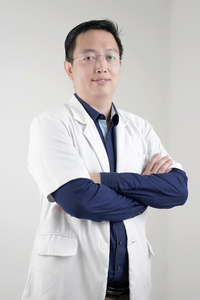
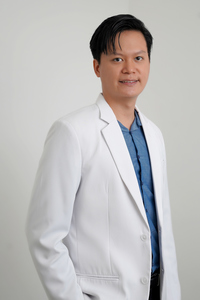
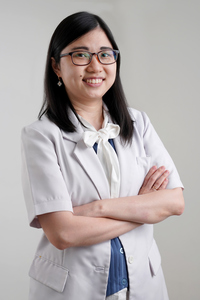
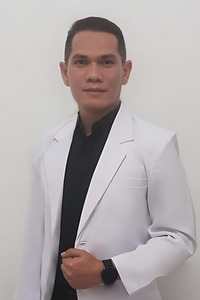
Kualitas pendidikan profesi tidak terlepas dari kualitas para pendidik yang mendampingi setiap proses pembelajaran. Program Studi Profesi Kedokteran Gigi FKKG Universitas Prima Indonesia Medan didukung oleh dosen-dosen yang memiliki kompetensi akademik dan klinis, termasuk dokter gigi spesialis dari delapan departemen bidang ilmu Kedokteran Gigi.
Kehadiran para dosen spesialis dari berbagai disiplin keilmuan memberikan pengalaman belajar yang komprehensif bagi mahasiswa. Setiap mahasiswa memperoleh pendampingan dalam mengintegrasikan pengetahuan ilmiah, keterampilan klinis, penalaran diagnostik, perencanaan perawatan, serta pengambilan keputusan klinis secara sistematis dan bertanggung jawab. Proses pendidikan tidak hanya diarahkan pada kemampuan melakukan tindakan, tetapi juga pada pemahaman terhadap dasar ilmiah, keselamatan pasien, etika profesi, dan kualitas pelayanan.
Dengan pengalaman akademik dan praktik klinis yang dimiliki, para dosen berperan sebagai pendidik, pembimbing klinis, mentor, sekaligus teladan profesional bagi mahasiswa. Interaksi yang intensif dalam lingkungan pendidikan klinik memungkinkan terjadinya proses transfer pengetahuan dan pengalaman secara langsung, sehingga mahasiswa dapat berkembang melalui pembelajaran berbasis kasus nyata dan berbagai situasi klinis yang relevan.
Kolaborasi antarbidang ilmu juga menjadi bagian penting dalam pendidikan profesi di UNPRI. Melalui pendekatan multidisiplin, mahasiswa dibimbing untuk melihat kondisi kesehatan gigi dan mulut pasien secara menyeluruh, menyusun rencana perawatan yang tepat, serta memahami pentingnya koordinasi dan kolaborasi dalam memberikan pelayanan yang berorientasi pada kebutuhan pasien.
Lebih dari sekadar mengajarkan keterampilan klinis, para dosen turut membentuk integritas, kedisiplinan, empati, kemampuan komunikasi, dan profesionalisme calon dokter gigi. Dengan dukungan tenaga pendidik yang kompeten dari delapan departemen keilmuan, UNPRI berkomitmen menghadirkan pendidikan profesi yang kuat secara akademik, relevan secara klinis, dan berorientasi pada mutu pelayanan.



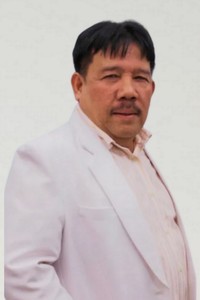
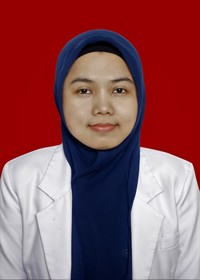

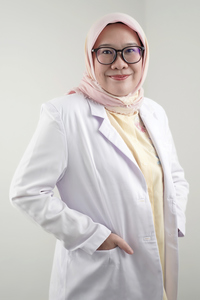
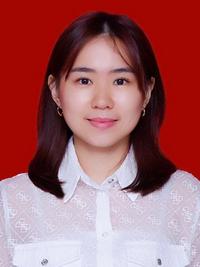
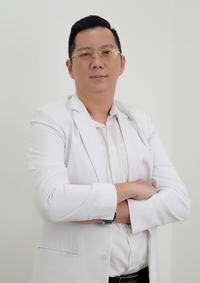
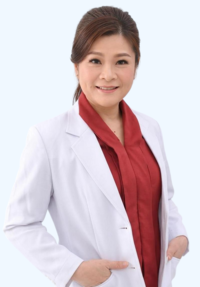
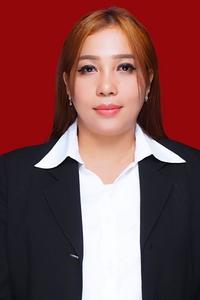

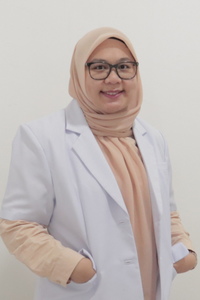
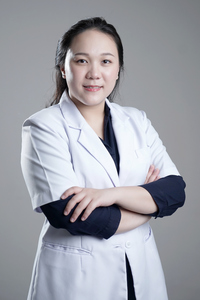
Once a Student, Now a Dentist: Voices of Our Alumni
Setiap alumni memiliki cerita tentang proses belajar, tantangan, pencapaian, dan perjalanan yang membentuk langkah profesional mereka. Bagi Kedokteran Gigi UNPRI, alumni bukan hanya bagian dari sejarah institusi, tetapi juga menjadi cerminan dari nilai, pengalaman, dan semangat yang tumbuh selama menempuh pendidikan.
Melalui Suara Alumni, kami menghadirkan kisah-kisah nyata dari para lulusan yang kini menapaki berbagai jalur pengabdian dan karier di bidang kedokteran gigi. Pengalaman mereka menjadi ruang berbagi yang hangat sekaligus inspiratif bagi mahasiswa dan calon mahasiswa untuk melihat bahwa proses pendidikan tidak berhenti di ruang kuliah atau klinik, tetapi terus berkembang dalam setiap langkah profesional.
Kenangan tentang pembelajaran, bimbingan dosen, pengalaman klinis, persahabatan, hingga tantangan selama pendidikan menjadi bagian penting yang membentuk karakter dan kepercayaan diri para alumni. Dari sanalah lahir generasi dokter gigi yang membawa semangat untuk terus belajar, berkembang, dan memberikan pelayanan terbaik kepada masyarakat.
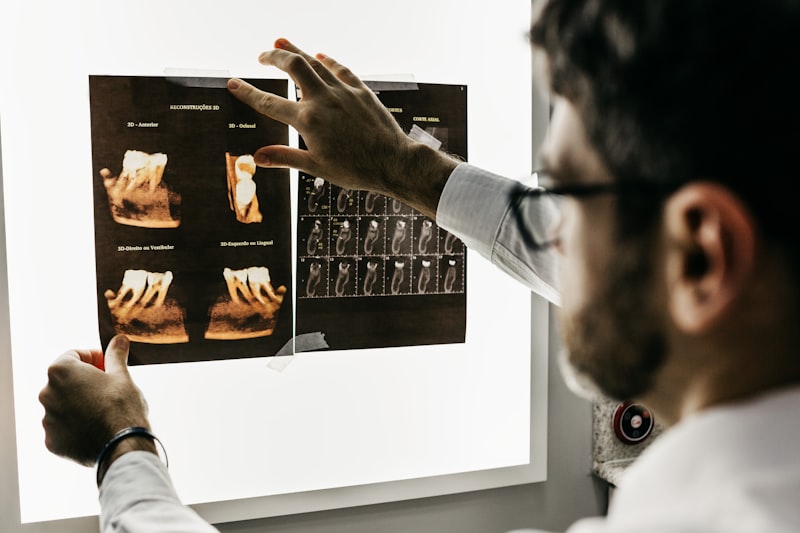
05 September 2026
Kuliah tamu menghadirkan pembicara tamu untuk membahas perkembangan digital dentistry dan penerapannya dalam praktik klinik gigi sehari hari.

28 Juli 2026
Sejumlah koas dilantik dan mengucapkan sumpah dokter gigi, menandai berakhirnya tahap pendidikan profesi di lingkungan FKKG UNPRI.

14 Juli 2026
Kegiatan pengabdian masyarakat menghadirkan pemeriksaan gigi gratis dan edukasi kesehatan gigi dan mulut bagi warga desa binaan.
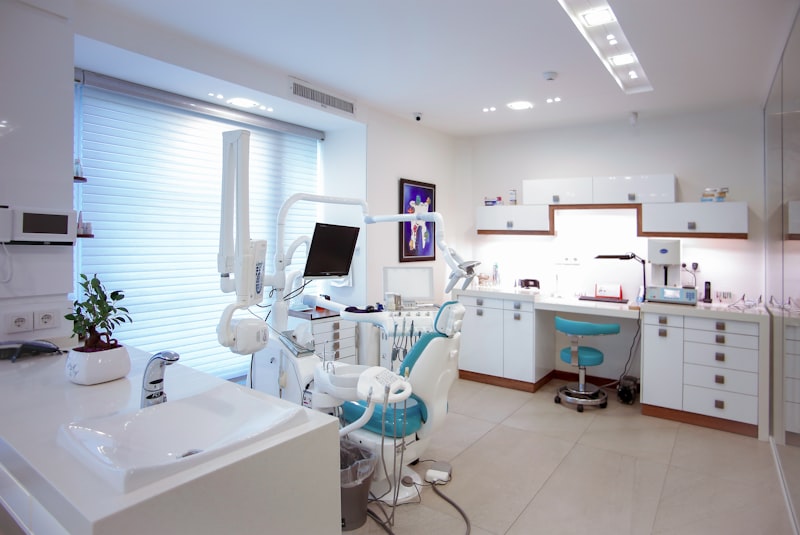
02 Agustus 2026
Pelatihan diikuti koas sebagai bekal kesiapan menangani kondisi darurat sebelum memasuki kepaniteraan klinik di RSGM.

19 Juni 2026
Profesor tamu dari mitra internasional membahas peluang kuliah tamu, program elektif, dan penelitian bersama di bidang kedokteran gigi.

30 Juni 2026
Seminar membahas perkembangan terkini praktik kedokteran gigi dan penerapan evidence based dentistry di layanan primer.

Aula FKKG UNPRI

RSGM FKKG UNPRI

Skills Lab FKKG UNPRI

Gedung Serbaguna UNPRI

Kabupaten Deli Serdang

Aula FKKG UNPRI

Kampus Utama UNPRI

RSGM FKKG UNPRI
Program Studi Profesi Dokter Gigi merupakan jenjang pendidikan yang melanjutkan Sarjana Kedokteran Gigi, di mana mahasiswa mempraktikkan langsung ilmu dan keterampilan klinis pada pasien nyata di bawah bimbingan dosen dan pembimbing klinik sesuai standar profesi, etik, dan keselamatan pasien.
Masa studi Program Profesi Dokter Gigi adalah 4 semester.
Belum. Setelah menyelesaikan seluruh tahap kepaniteraan klinik, mahasiswa mengikuti yudisium dan pengambilan sumpah dokter gigi, kemudian menyelesaikan uji kompetensi nasional untuk memperoleh sertifikat profesi dan sertifikat kompetensi sebelum resmi menyandang gelar drg.
Mahasiswa menjalani kepaniteraan klinik di RSGM (Rumah Sakit Gigi dan Mulut) milik FKKG UNPRI sendiri, sehingga siklus stase dan ketepatan waktu kelulusan dapat terjadwal dengan baik di bawah bimbingan dosen dan pembimbing klinik.
Pendidikan profesi mencakup berbagai bidang ilmu kedokteran gigi klinis, di antaranya Prostodonsia, Konservasi Gigi, Ortodonsia, Periodonsia, Bedah Mulut, Radiologi Dental, Ilmu Penyakit Mulut, Odontologi Forensik, hingga Ilmu Kesehatan Gigi Masyarakat, dibimbing oleh dosen yang kompeten di bidangnya masing-masing.
Ya. Program Studi Profesi Dokter Gigi FKKG UNPRI secara berkala menghadirkan profesor tamu dan visiting professor dari mitra internasional melalui rangkaian Temu Pakar Kedokteran Gigi, memberi mahasiswa kesempatan belajar langsung dari pakar di bidangnya.
Ya. Lulusan Profesi Dokter Gigi FKKG UNPRI dapat melanjutkan studi ke Program Magister Kedokteran Gigi yang tersedia di lingkungan kampus yang sama.
Lulusan dapat langsung berpraktik sebagai dokter gigi umum, bergabung dengan RSGM atau klinik gigi, melanjutkan ke Program Magister Kedokteran Gigi, terjun ke bidang penelitian dan akademik, maupun bidang lain yang relevan dengan kompetensi dan pendidikan lanjutan.
Beasiswa diberikan berdasarkan penilaian prestasi dan kemampuan finansial, serta beberapa ketentuan dari fakultas/universitas, bagi mahasiswa yang melanjutkan ke Program Profesi Dokter Gigi.
Lingkungan pembelajaran diarahkan untuk mendukung pengembangan keterampilan klinis, profesionalisme, kolaborasi, komunikasi, etika, dan disiplin, termasuk interaksi langsung dengan pasien, tenaga kesehatan lain, serta pembimbing klinik di RSGM.
Program Studi Profesi Dokter Gigi FKKG UNPRI mempersiapkan mahasiswa dengan wahana klinik milik sendiri, kurikulum berbasis OBE, dosen yang berpengalaman, serta pengalaman belajar bersama profesor tamu internasional yang mendukung perjalanan menuju profesi dokter gigi yang kompeten dan profesional.
Penerimaan Mahasiswa Baru
Bangun masa depan Anda di bidang kedokteran gigi bersama UNPRI melalui pendidikan berkualitas, RSGM milik sendiri, fasilitas pembelajaran modern, serta dosen dan pembimbing klinik berpengalaman.
